Twisted Yoga Docuseries Exposes Cult Leader's Decades of Psychological and Legal Abuses
Apple TV+'s Twisted Yoga puts Gregorian Bivolaru's decades of psychological and legal abuses under a documentary lens that the yoga world can't ignore.
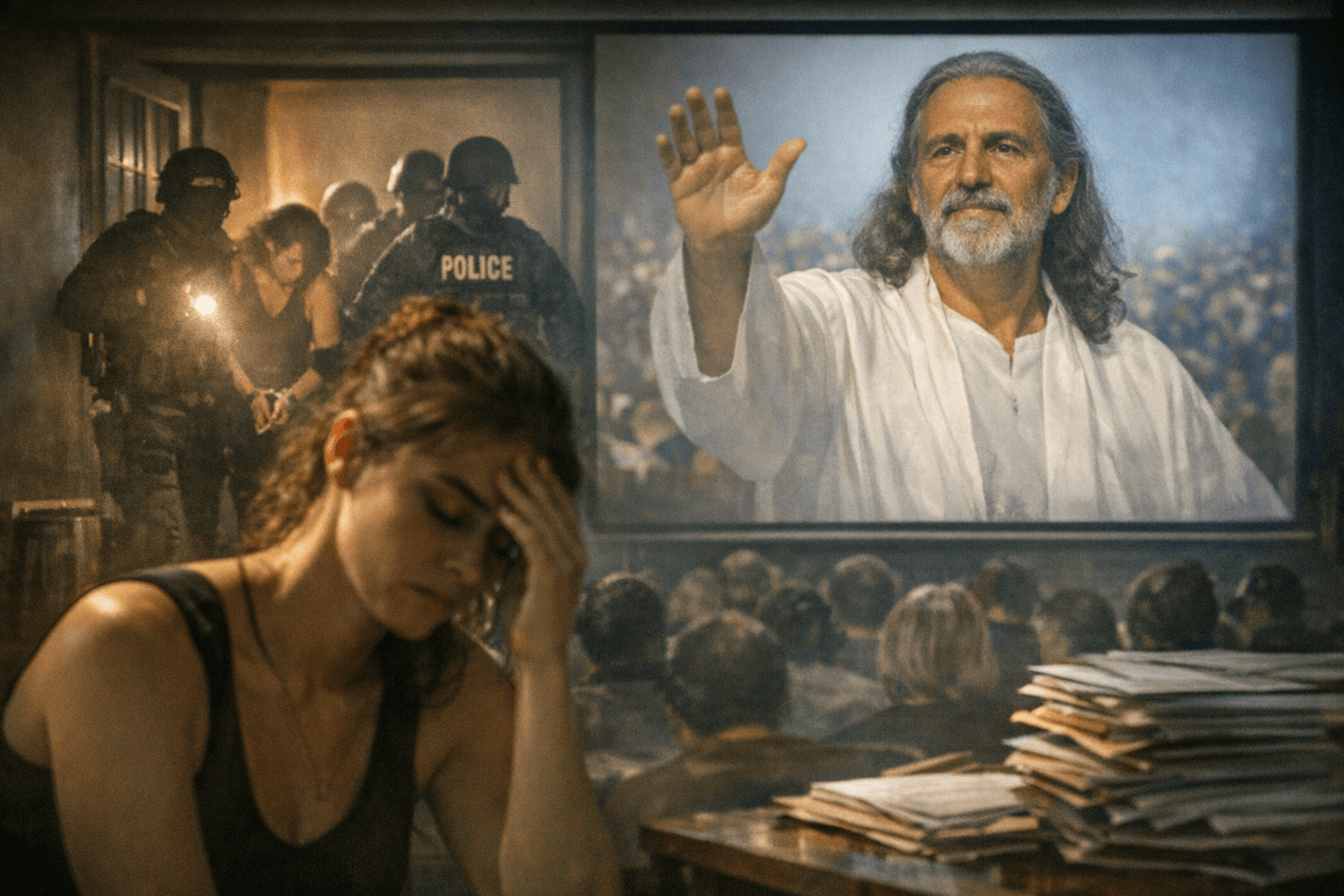
Twisted Yoga" landed on Apple TV+ on March 13, 2026, and the docuseries isn't the kind of thing you can half-watch on a Sunday afternoon. It centers on Gregorian Bivolaru, a Romanian yoga teacher whose decades-long hold over students crosses from spiritual authority into something far darker, and the series methodically unpacks the structural, psychological, and legal threads that kept that system running for so long.
Time published a deep-dive analysis the same day the series premiered, going well beyond plot summary to trace how Bivolaru's influence operated at multiple levels simultaneously. What makes the docuseries compelling, and what the Time piece draws out, is that the abuse wasn't incidental to the yoga community Bivolaru built. It was embedded in it.
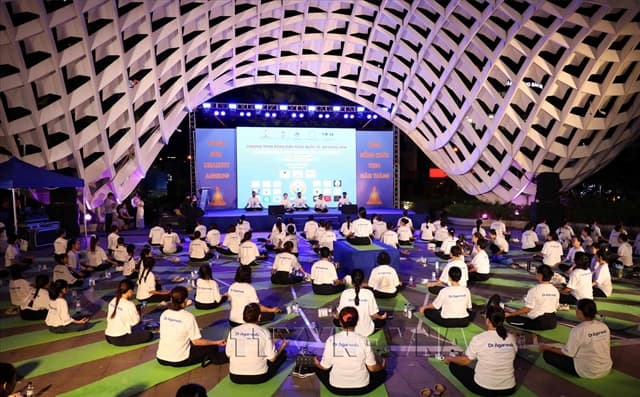
That's the part that hits hardest for anyone who has spent real time in yoga spaces. The practice attracts people who are actively seeking transformation, who have often already committed to trusting a teacher with their psychological and physical wellbeing. That kind of environment, when a leader decides to exploit it rather than honor it, becomes a closed system where manipulation thrives and outside skepticism gets reframed as spiritual weakness.
Bivolaru's case isn't new to those who follow yoga's more troubled corners. His organization, MISA (Movement for Spiritual Integration into the Absolute), operated across Romania and extended into Europe over multiple decades, drawing serious legal scrutiny along the way. The docuseries gives those threads a coherent visual and narrative treatment that written journalism alone hadn't managed to deliver with the same impact.
For the broader yoga community, "Twisted Yoga" arrives as a serious reckoning. The conversation about teacher accountability, consent, and the dangers of guru culture has been building for years. This series gives it a specific, named, documented case to anchor that conversation in something concrete rather than theoretical.
The three-episode structure on Apple TV+ keeps it accessible without letting Bivolaru's story become spectacle. It's worth the watch, and the discomfort that comes with it.
This article was produced by Prism’s automated news system from verified source data, official records, and press releases, then run through automated quality and moderation checks before publishing. The system is built and supervised by the people who set the standards it runs under. Read our full AI policy.
Did this article answer your question?