UAB study finds online yogic breathing program highly feasible for ALS patients
Attendance topped 97% in a six-week online breathwork trial, a rare sign that ALS patients stayed with a coach-led program built for home use.
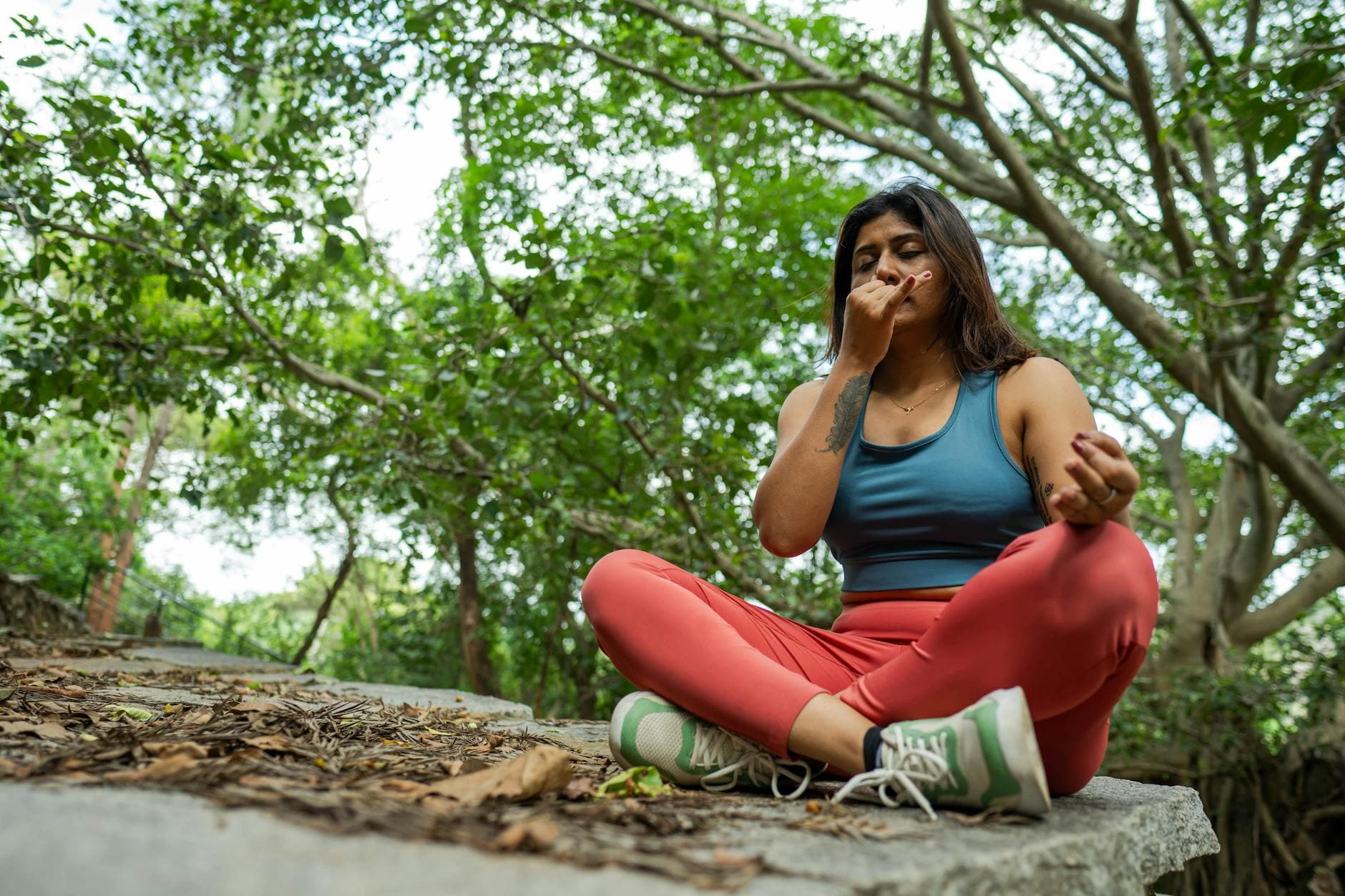
Attendance topped 97% in a University of Alabama at Birmingham pilot trial, a striking result for a six-week online yogic breathing program tested in adults living with ALS, a disease where fatigue, mobility loss and respiratory weakness can make any routine hard to maintain. All but two participants in the breathing group completed the 12 sessions, pointing to a level of adherence that is unusual in intervention research and especially notable in a population with serious physical limits.
Sarah Beth Spraberry, an assistant professor in the UAB School of Health Professions, presented the study at the American Occupational Therapy Association’s INSPIRE 2026 conference in Anaheim, California, held April 23-25. The trial was a waitlist pilot randomized controlled study with post-program individual qualitative interviews. Thirteen adults with ALS took part, with 7 assigned to the yogic breathing group and 6 to the waitlist group. The intervention ran online for twelve 30-minute sessions over six consecutive weeks, and each person in the breathing arm received one-on-one coaching from a certified yoga therapist.
The program did not produce a broad shift across every measure, which gives the findings sharper focus. Using the ALS Specific Quality of Life-Revised, the study found significant improvement in the physical symptoms and intimacy domains, but not in the overall total score or the other quality-of-life domains. In interviews, participants described two main benefits: a stronger sense of control over breathing and better emotional regulation through relaxation.
That combination, high attendance with targeted gains rather than sweeping change, is what makes the study stand out for yoga and clinical care alike. It suggests that a structured, coach-guided breathwork practice can be delivered remotely and still keep people engaged, even when they are managing a progressive neurodegenerative disorder that often disrupts breathing and daily functioning. The trial also adds to a growing body of UAB ALS work that has been developing over time, including related yogic breathing research presented at the 2025 NEALS annual meeting.
The setting matters as much as the protocol. UAB’s ALS Clinic has expanded multidisciplinary care and research, earned designation as a Certified Treatment Center of Excellence, and added a second-opinion clinic in April 2026 at The Kirklin Clinic to help reduce wait times. In that environment, the new breathing data reads less like a wellness sidebar and more like a practical clue about where yoga-based methods may fit in serious support care.
This article was produced by Prism’s automated news system from verified source data, official records, and press releases, then run through automated quality and moderation checks before publishing. The system is built and supervised by the people who set the standards it runs under. Read our full AI policy.
Did this article answer your question?