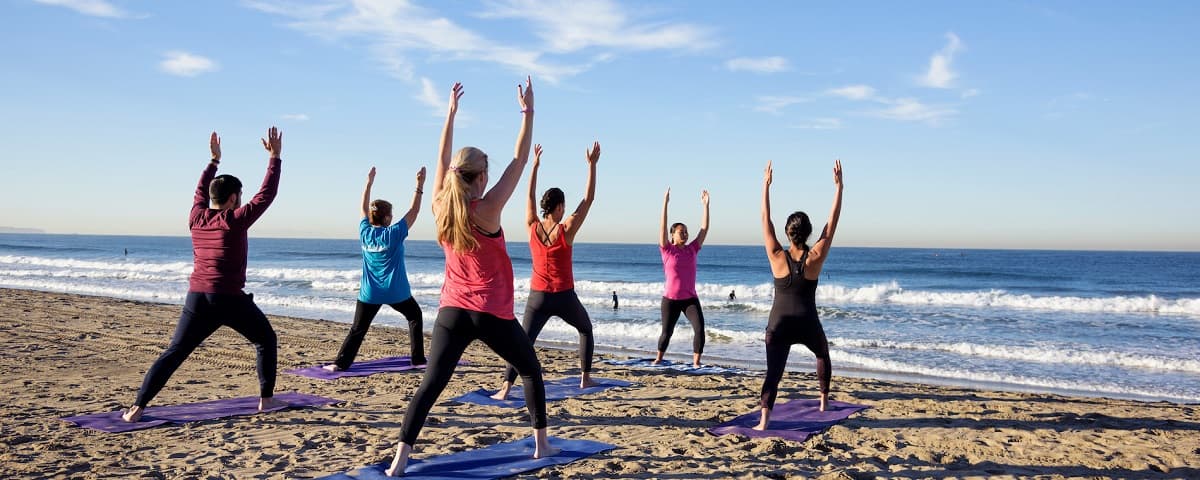
World Health Day 2026 Puts Yoga's Science-Backed Benefits in the Spotlight
WHO's "Stand with science" World Health Day theme turned yoga's evidence base into front-page news, with Shilpa Shetty among the Bollywood advocates now facing a public fact-check.
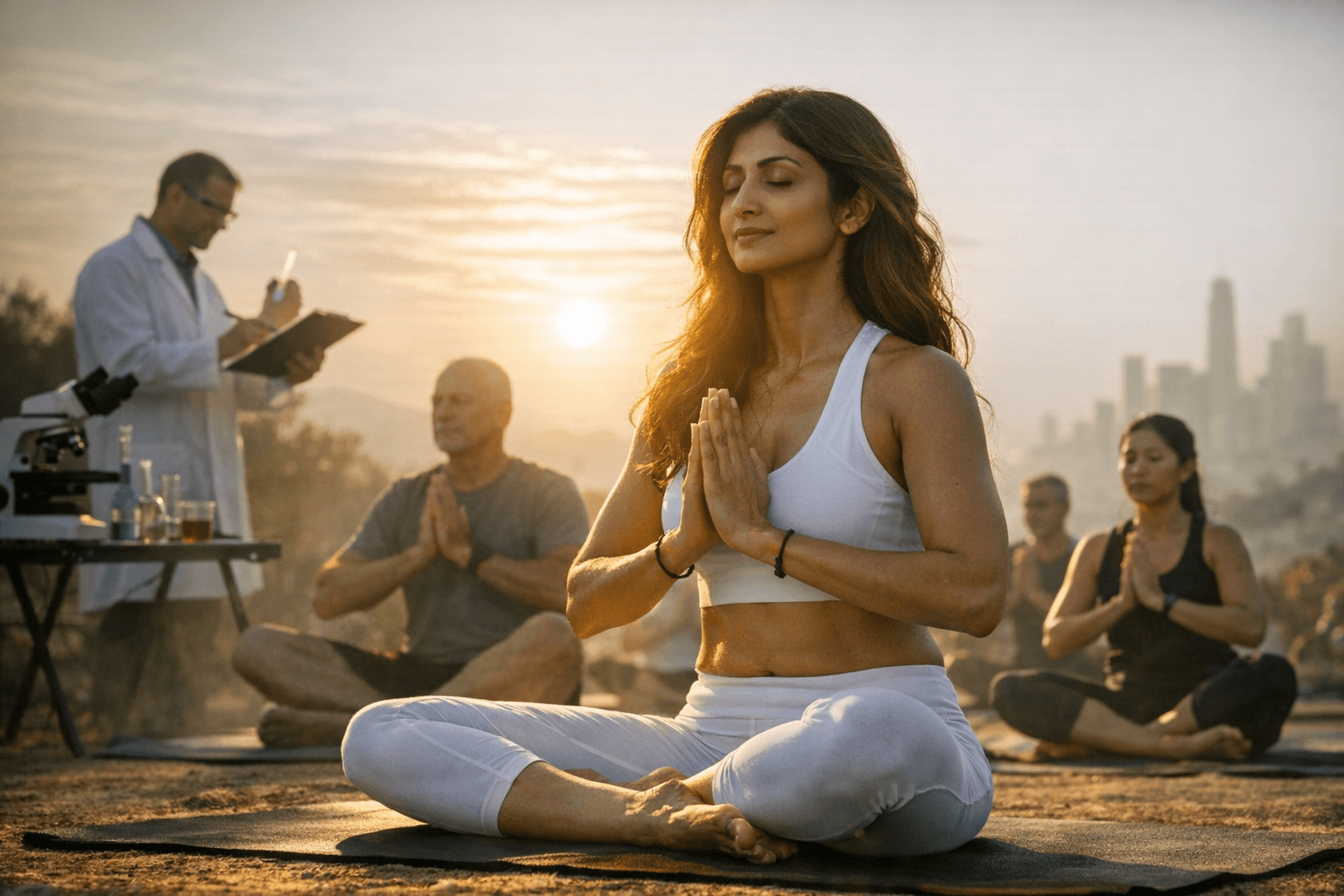
The World Health Organization convened a One Health Summit in Lyon, France, gathering Heads of State and scientists on April 5 through 7, 2026, and chose a World Health Day theme that landed directly on yoga's most contested territory: "Together for health. Stand with science." The message was institutional, but the yoga community felt its weight immediately.
Bollywood actress Shilpa Shetty has long been the discipline's most visible global standard-bearer in the South Asian market, distributing instructional content through YouTube and social media to millions of followers while publicly crediting yoga as foundational to her physical fitness, mental clarity and overall wellbeing. World Health Day coverage timed to her advocacy was extensive. And it raised a question that the WHO's framing made impossible to sidestep: how much of what high-profile yoga advocates say actually tracks with clinical evidence?
The answer, based on available research, is selectively and conditionally yes. Regular yoga practice has been shown in clinical settings to lower levels of cortisol and other stress hormones, which, when chronically elevated, damage blood vessels and raise blood pressure. Structured programs have also documented improvements in self-reported sleep quality. For flexibility, balance and mobility, particularly in older adults and populations managing non-communicable diseases, the evidence is reasonably consistent. Where the science thins out is in broader lifestyle claims around immunity, systemic weight loss or disease prevention, areas where extrapolation from a mat session to a clinical outcome consistently outruns the data.
That gap is precisely what World Health Day 2026 foregrounded. WHO's call for evidence-based public health action created an opening for yoga organizations to reframe the discipline from lifestyle category to measurable health intervention. Media coverage explicitly linked yoga to stress reduction, NCD prevention and scalable community programs, signaling a possible trajectory toward employer-sponsored classes, primary care integration and formal reimbursement structures.
For studios and teacher trainers, the implication is concrete. Programs that track adherence, partner with researchers and document outcomes are better positioned for that shift than those anchored to celebrity endorsement alone. Shetty's reach is not in question; high-profile advocacy demonstrably moves audiences toward apps, studio sign-ups and community events in ways that published studies rarely replicate. What World Health Day 2026 established is that the yoga industry now needs both forces working together, the visibility that celebrity advocates generate and the credibility that measured outcomes provide, to meet the moment WHO's science-first framing has created.
How to spot trustworthy yoga health advice
Credentials matter. For general instruction, look for Yoga Alliance registration at the RYT-200 or RYT-500 level as a starting threshold. For therapeutic or clinical applications, prioritize instructors who also hold recognized healthcare qualifications, such as physiotherapy training or certification through the International Association of Yoga Therapists (C-IAYT).
Outcomes should be measurable. Claims about stress reduction are more credible when grounded in validated tools: the Perceived Stress Scale, cortisol assay data, or polysomnography findings for sleep. Self-reported improvements are a starting point, not a conclusion.
Contraindications are a quality signal. Any responsible instructor or program flags what to avoid: inversions carry documented risks for glaucoma patients due to intraocular pressure increases; deep spinal twists require caution with osteoporosis or disc injuries; hypertension, pregnancy and recent joint surgery each demand specific modifications. A class or program that never mentions limits is itself telling you something.
This article was produced by Prism’s automated news system from verified source data, official records, and press releases, then run through automated quality and moderation checks before publishing. The system is built and supervised by the people who set the standards it runs under. Read our full AI policy.
Did this article answer your question?