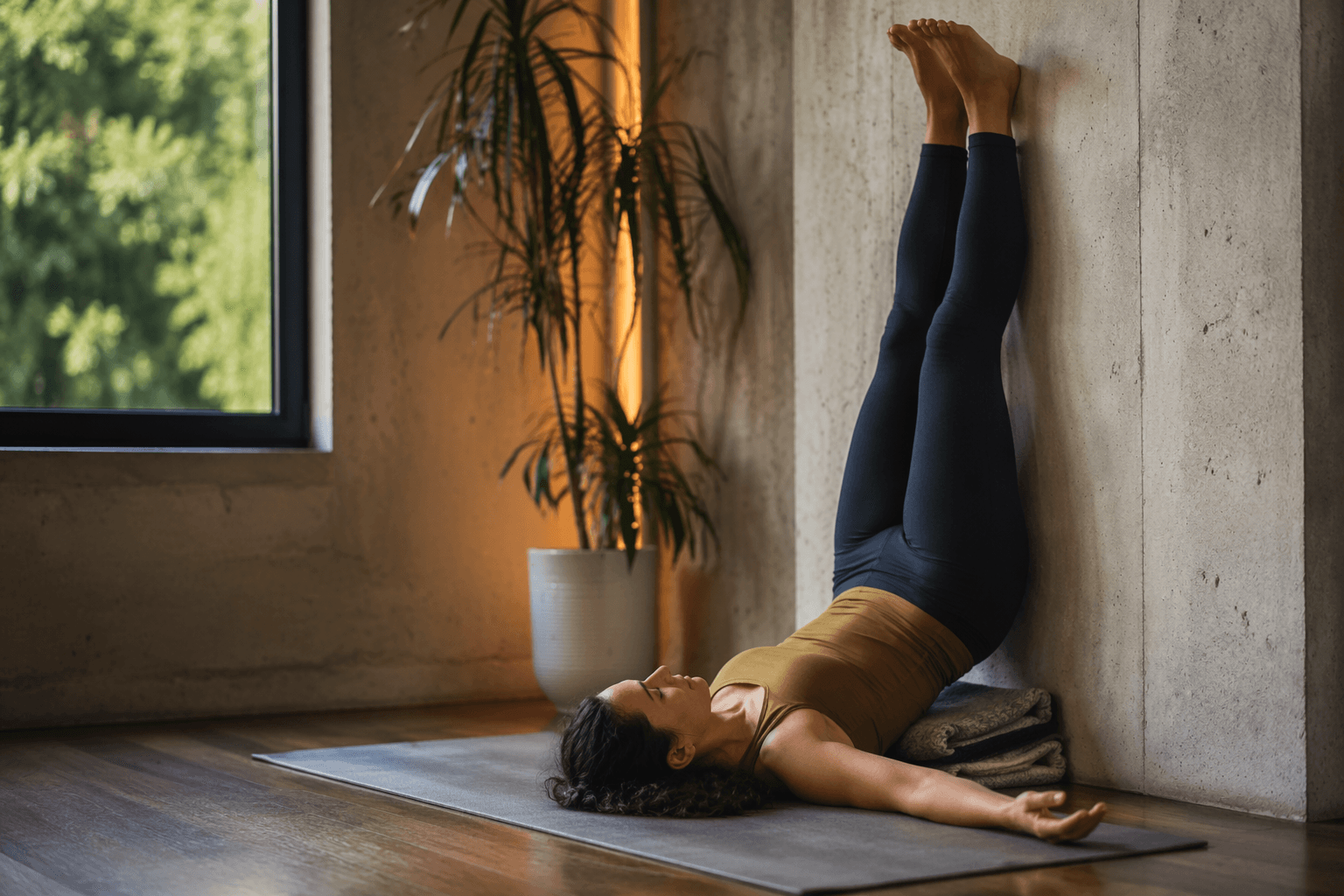
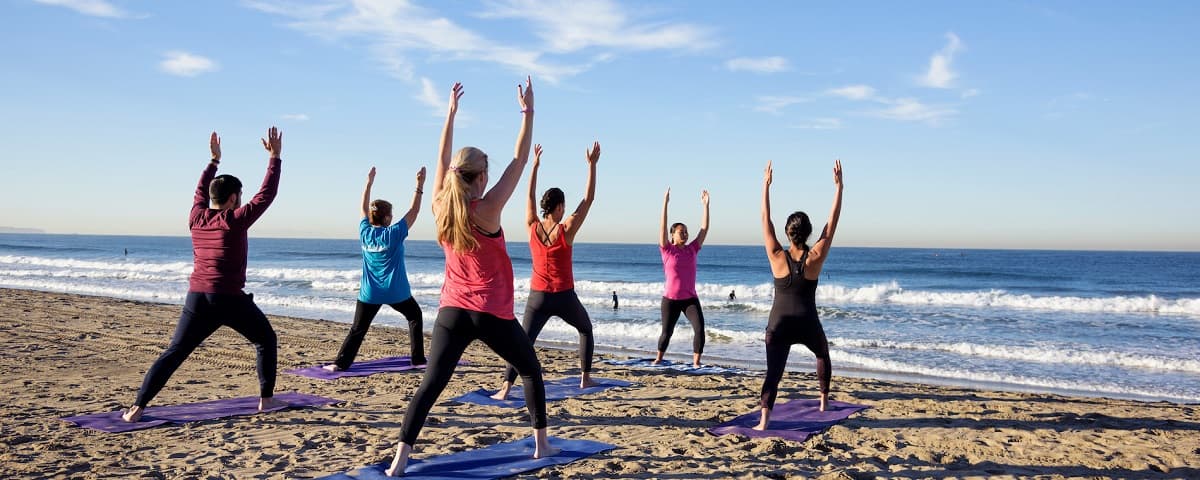
Yoga boosts recovery as physiotherapy embraces patient-centered care
Dr. Surabhi Dhanwala is folding yoga into rehab for chronic pain, frozen shoulder and neurological recovery as India’s Yoga Day spotlighted healthy ageing.

Dr. Surabhi Dhanwala is folding yoga into physiotherapy in Pune for patients with chronic pain, spondylitis, frozen shoulder, post-surgical stiffness, sports injuries and mobility recovery after neurological episodes. Her work came into sharper view during the 12th International Day of Yoga on June 21, 2026, when Lucknow marked the theme “Yoga for Healthy Ageing” before an estimated 40,000 attendees.
Dhanwala, who is described as a Pune-based physiotherapist ranked among the Top 10 Physiotherapists in India, is using yoga not as a stand-alone wellness add-on but as part of rehabilitation. The method combines breath coordination, gentle mobilization and body awareness with conventional physiotherapy, a combination that fits the growing push toward patient-centered care in India’s rehab clinics.
That push has a wider policy backdrop. The Ministry of Ayush has promoted yoga as part of a broader health and wellness framework, and says International Day of Yoga has grown since its first observance in 2015 into one of the world’s largest participatory wellness movements. This year’s observance, built around healthy ageing, put clinical use cases front and center rather than treating yoga only as a fitness ritual.

The strongest case for that integration is still condition-specific. Reviews of India-based literature have identified 20 articles on integrated yoga and physiotherapy, including 15 that focused directly on that combined approach. The papers point to a rehabilitation model that tries to cover both the physical and psychosocial dimensions of musculoskeletal disorders, where conventional physiotherapy alone may not capture the full picture.
Even so, the evidence is not blanket approval. PubMed- and Cochrane-linked reviews of yoga for chronic low back pain found low- to moderate-certainty evidence, with small benefits compared with no exercise and little or no difference versus other back exercises. That leaves yoga positioned as a useful clinical tool in some rehab settings, but not a cure-all.
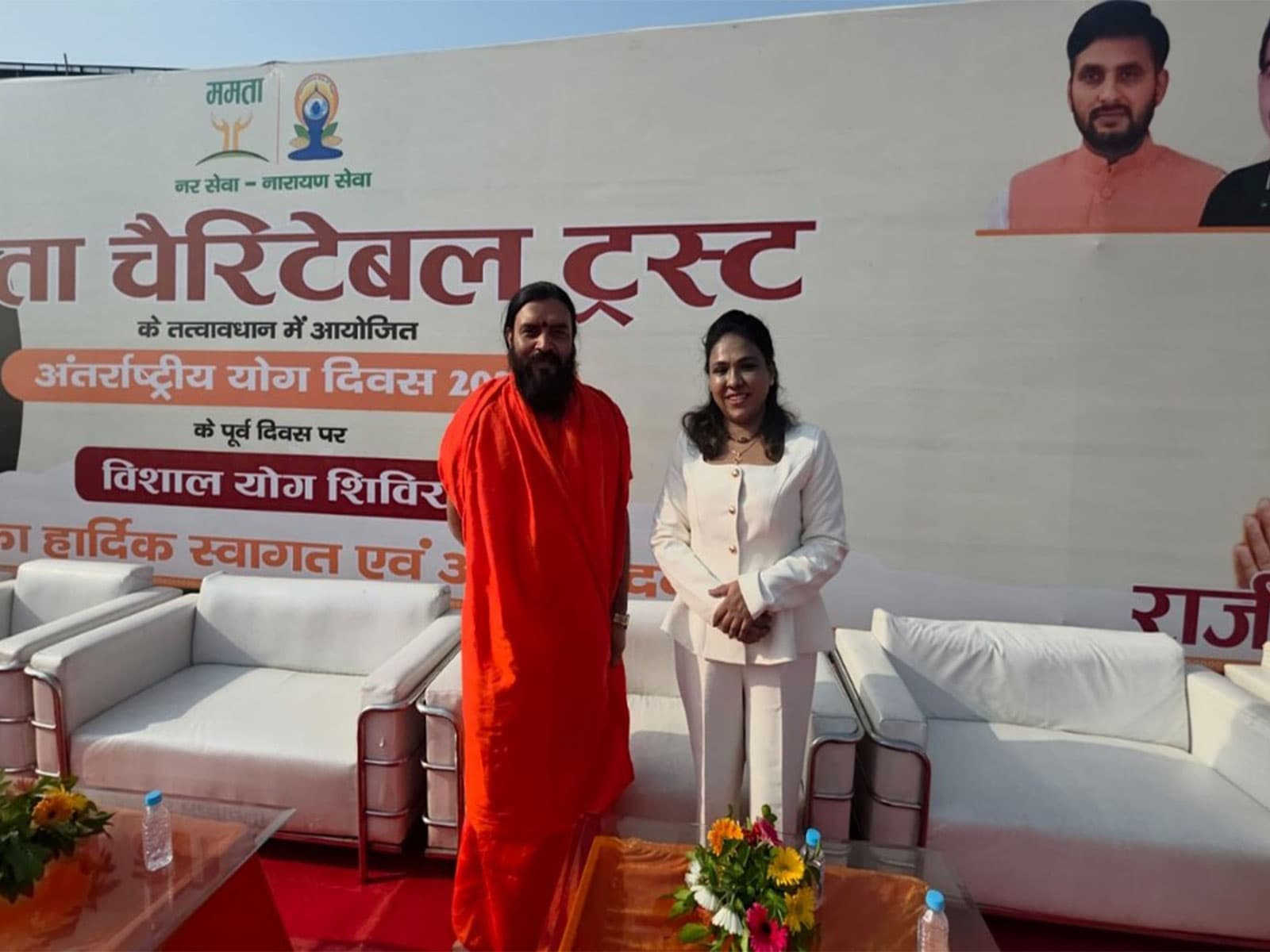
In practice, the boundary line is becoming clearer. Yoga-informed physiotherapy is being used where movement needs to be restored carefully, where pain needs to be managed without overloading the body, and where breath and awareness can help patients re-enter exercise after injury, surgery or neurological setback. In that sense, Dhanwala’s approach reflects the shift visible from Pune to the huge June gathering in Lucknow: yoga is being handled less like a slogan and more like a measurable part of recovery.
This article was produced by Prism’s automated news system from verified source data, official records, and press releases, then run through automated quality and moderation checks before publishing. The system is built and supervised by the people who set the standards it runs under. Read our full AI policy.
Did this article answer your question?