Yoga eases insomnia, anxiety and fatigue in cancer survivors
A 4-week gentle yoga program helped cancer survivors sleep better and feel less anxious and fatigued, with the biggest gains seen in mood.

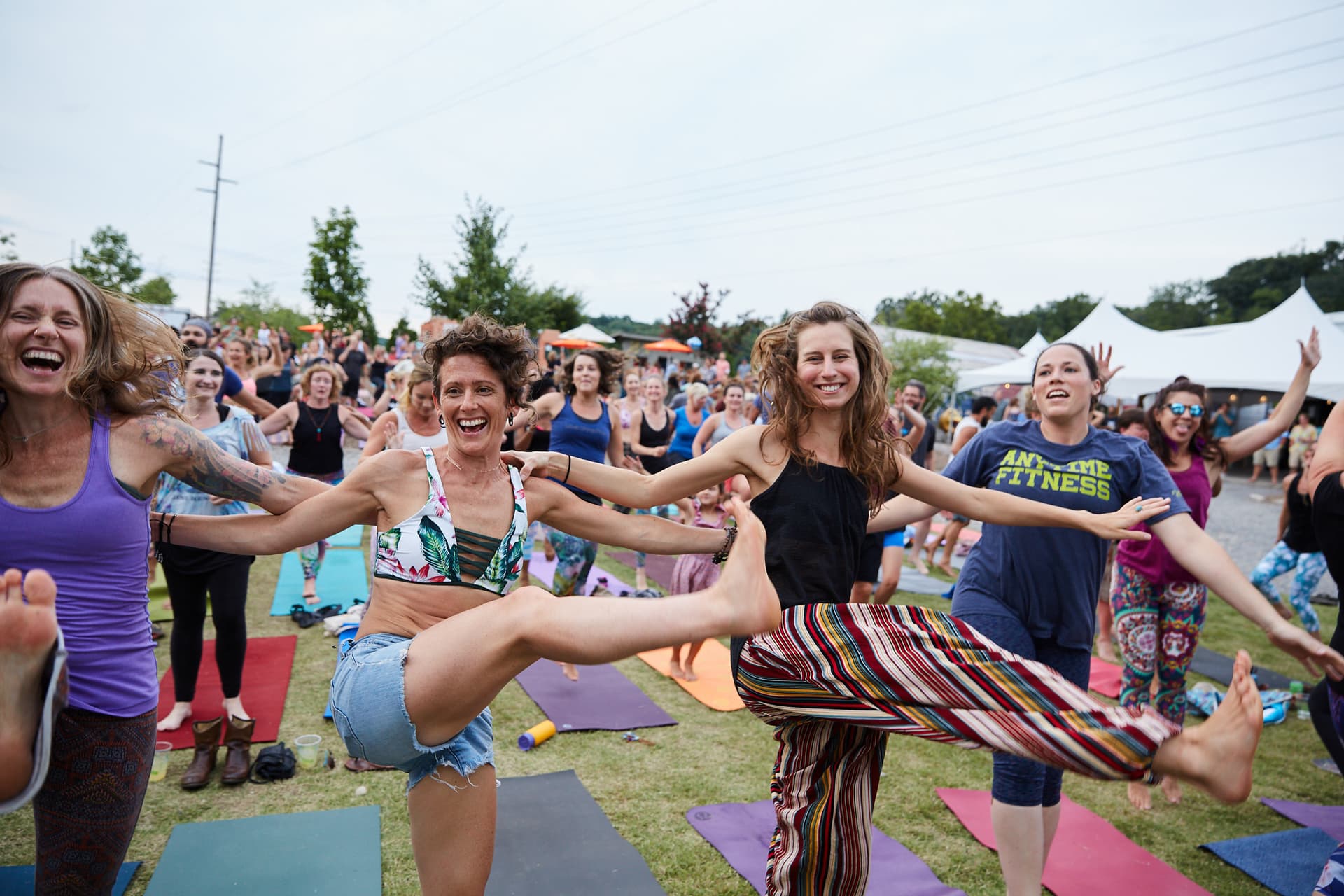
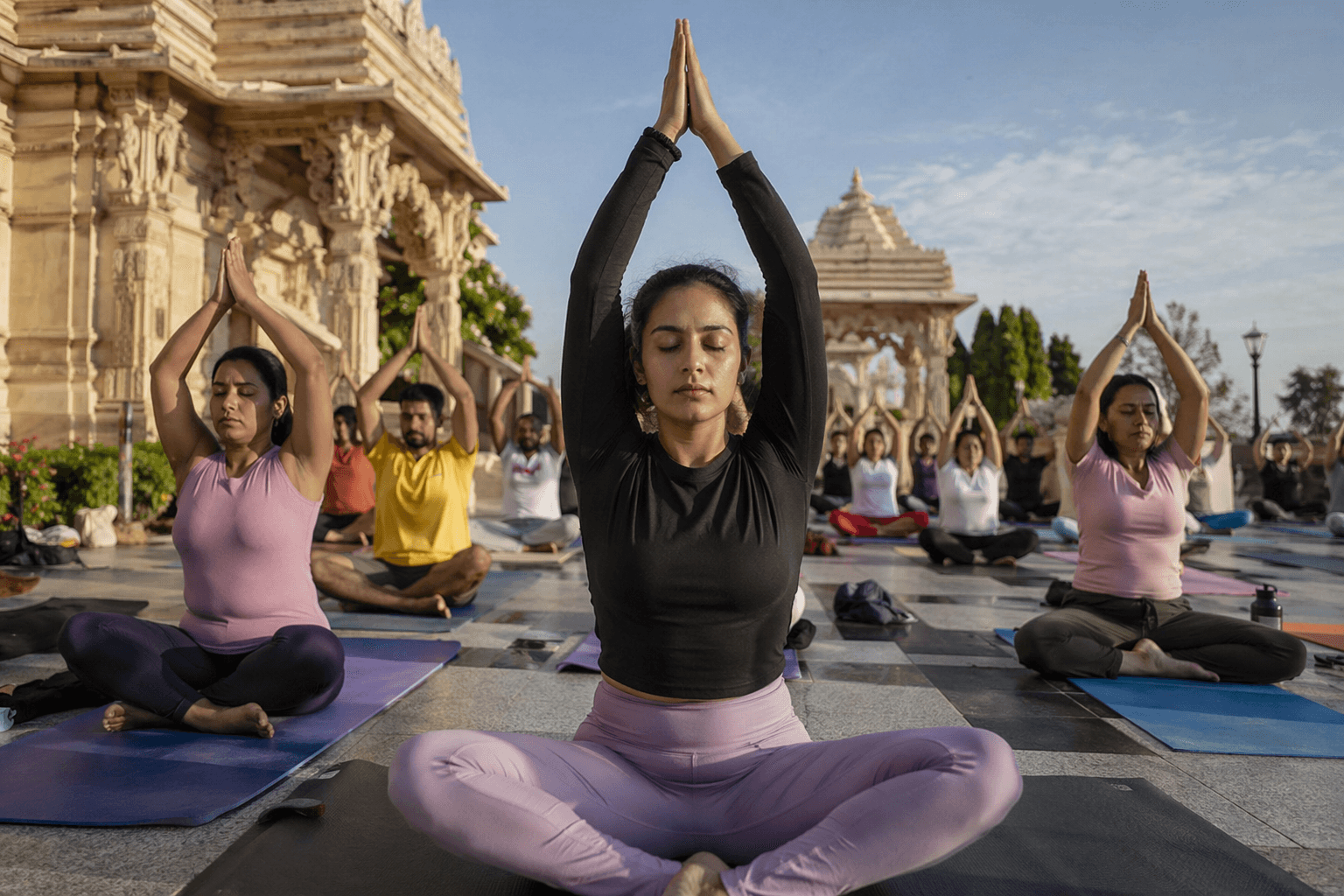
At the 2026 American Society of Clinical Oncology annual meeting in Chicago, a 4-week yoga program was presented as a practical add-on for cancer survivors still dealing with insomnia, anxiety and fatigue after treatment. The work focused on Yoga for Cancer Survivors, or YOCAS, a gentle protocol built around hatha and restorative yoga, breathing exercises and mindfulness, not power-flow classes or hot-room workouts.
The phase III randomized trial enrolled 410 adult survivors from 12 community-based oncology practices across the United States. Participants were, on average, 54 years old, 96% were female, 93% were White and 75% were breast cancer survivors. They were 2 to 24 months past primary treatment and had not practiced yoga in the previous three months. That matters because the study was aimed squarely at survivorship, when people are done with the acute grind of surgery, chemotherapy or radiation but still carrying the fallout.
The signal was strongest where survivors need it most. ASCO said as many as 95% of cancer survivors experience sleep disturbance or insomnia at some point during or after treatment, and more than half deal with mood disturbance, anxiety or fatigue. In this trial, U.S. News reported a moderate-to-large reduction in mood issues and a small-to-medium reduction in anxiety scores, while fatigue improved as well. Researchers also said reductions in mood disturbance and fatigue may help explain why insomnia improved.

That makes the study more than a sleep story. It points to a single behavioral intervention that may ease several common survivorship problems at once, which is exactly the kind of support clinicians and integrative oncology programs have been looking for. Fumiko Chino called it a “non-pharmaceutical solution” for reducing four side effects at once, and Karen Mustian said clinicians should not be afraid to recommend gentle yoga to patients moving into survivorship.
The safest takeaway is also the simplest one: this is not a call for survivors to jump into vigorous vinyasa or a sweaty hot studio. The protocol that showed benefit used slower-paced gentle hatha and restorative work, with breathing and mindfulness layered in. That is the version that fits alongside standard oncology care, not in place of it.
The scale of the need is hard to miss. The American Cancer Society estimated 18.6 million people in the United States were living with a history of cancer as of January 1, 2025, and projected that number would top 22 million by 2035. For a population that large, a low-risk practice that can ease sleep problems, anxiety and fatigue in the same four-week window is exactly the kind of survivorship tool worth taking seriously.
This article was produced by Prism’s automated news system from verified source data, official records, and press releases, then run through automated quality and moderation checks before publishing. The system is built and supervised by the people who set the standards it runs under. Read our full AI policy.
Did this article answer your question?