Yoga emerges as a key tool for healthy aging
Yoga is gaining ground as a healthy-aging tool, with the clearest evidence around balance, mobility and fall prevention.
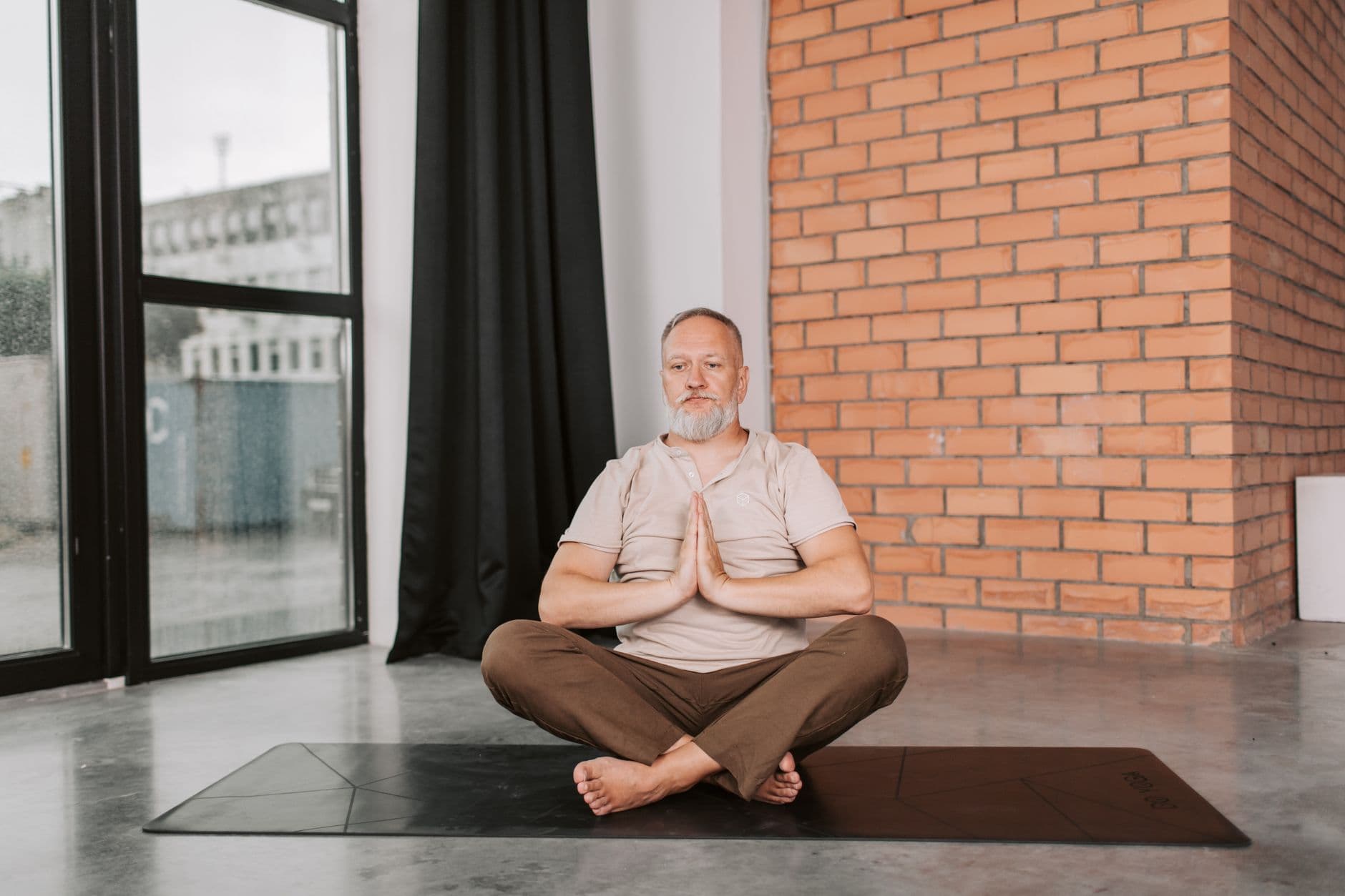
Yoga looks less like a niche wellness habit and more like a practical tool for later life when balance, mobility, and recovery from everyday strain start to matter most. The strongest case for it is not flexibility alone, but function: staying steady on your feet, moving with confidence, and protecting the routines that keep older adults independent.
Healthy aging is about function, not just fitness
The World Health Organization defines healthy ageing as the process of developing and maintaining the functional ability that enables well-being in older age. That functional ability includes being able to meet basic needs, learn and grow, make decisions, stay mobile, build and maintain relationships, and contribute to society. Seen through that lens, yoga belongs in the healthy-aging conversation because it trains the same capacities that help people keep living on their own terms.
The scale of that challenge is growing fast. WHO says the world’s population aged 60 and older is expected to reach 1.4 billion by 2030, and that people aged 60+ will outnumber children younger than 5 globally by then. The United Nations has also proclaimed 2021 to 2030 the Decade of Healthy Ageing, with WHO leading international action to improve the lives of older people, their families and communities.
Where yoga fits in the evidence
Yoga is not a cure-all, and it should not be sold as one. The evidence-backed case is narrower, but still compelling: WHO’s physical-activity materials include yoga among multimodal activities that can improve aspects of fitness in older adults. That matters because ageing well depends on a cluster of practical abilities, not one single metric.
Yoga also has a shape that suits later life well. It can be slowed down, made accessible, and stripped of competition, which puts the emphasis on breathing, body awareness, and stress regulation. That combination is useful because older adults often need movement that supports joints and balance without adding unnecessary strain.
Balance and fall prevention are the strongest fit
If there is one area where yoga most clearly lines up with healthy aging, it is balance. WHO’s falls-prevention evidence notes that balance training appears particularly effective, and that gives yoga real weight as a practical option rather than a fashionable one. Many yoga practices ask you to shift weight, stabilize through the feet and hips, and maintain control through transitions, all of which speak directly to steadiness.
That does not mean every class will be equally useful for fall prevention. The best fit is a format that keeps the work controlled, repeatable, and safe, with enough challenge to train stability and enough restraint to avoid overloading the body. For older adults deciding whether yoga deserves a place in a weekly routine, balance work is the clearest reason to keep it on the list.
Mobility, strength, and recovery from strain
Mobility is the other major practical dividend. Healthy ageing is not only about avoiding injury; it is about being able to move through ordinary life with less effort, whether that means getting up from a chair, climbing stairs, or recovering after a bad night’s sleep or a stiff morning. Yoga does not replace strength training or walking, but it can complement both by improving control through movement.
That matters because later-life wellness is often misunderstood as a choice between “exercise” and “rest.” Yoga offers a middle path: movement that can be gentle without being passive. By asking you to coordinate breath, posture, and attention, it supports the kind of body awareness that makes everyday movement feel less fragile.
Mental health is part of healthy aging too
The mental-health side is just as important. WHO says depression is not a normal part of ageing, and its guidance for older adults emphasizes that staying physically active, maintaining social connections, and getting support can improve mental health. Yoga intersects with all three, especially when it is practiced in a group setting that feels welcoming rather than performance-driven.
That is why yoga’s value goes beyond exercise alone. A slow class can create a rhythm of breathing, attention, and social presence that helps older adults feel more grounded. It should not be treated as a substitute for clinical care when someone needs it, but it does fit neatly alongside the habits WHO points to as protective.
Why the timing matters now
The timing sharpens the message. The UN says the International Day of Yoga is now in its 12th year, and the 2026 theme is “Yoga for Healthy Ageing.” The theme explicitly frames yoga as valuable for all ages while emphasizing independence, mobility, and quality of life through a healthy lifestyle.
That links the celebration to the wider policy conversation instead of leaving it at tradition or branding. Once yoga is placed beside the UN Decade of Healthy Ageing and WHO’s functional-ability framework, it becomes easier to see why healthcare providers, community centers, and older adults themselves might take it seriously as part of a healthy-aging strategy.
The practical takeaway is simple: if yoga is going to earn a bigger place in later-life wellness, the best classes will be the ones that train balance, support mobility, and leave you steadier, not depleted. That is the real promise behind the mat, and it fits the healthy-aging agenda far better than flexibility alone.
This article was produced by Prism’s automated news system from verified source data, official records, and press releases, then run through automated quality and moderation checks before publishing. The system is built and supervised by the people who set the standards it runs under. Read our full AI policy.
Did this article answer your question?