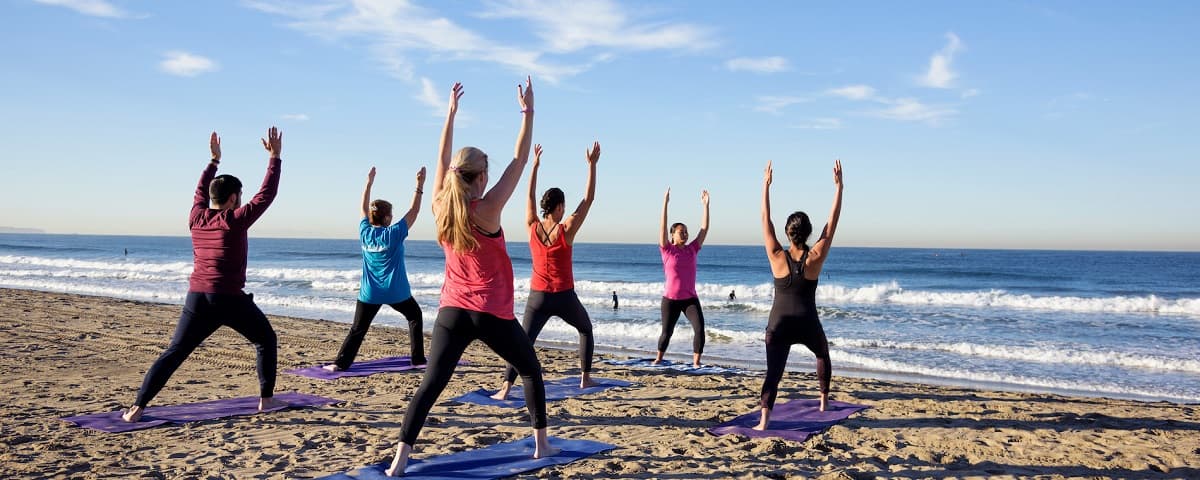
Yoga Gains Attention for Potential Cortisol-Lowering Stress Relief
A viral list put yoga beside sleep and kindness for lowering cortisol, but the science is more mixed than the post suggests. Some studies show benefits, while others do not.
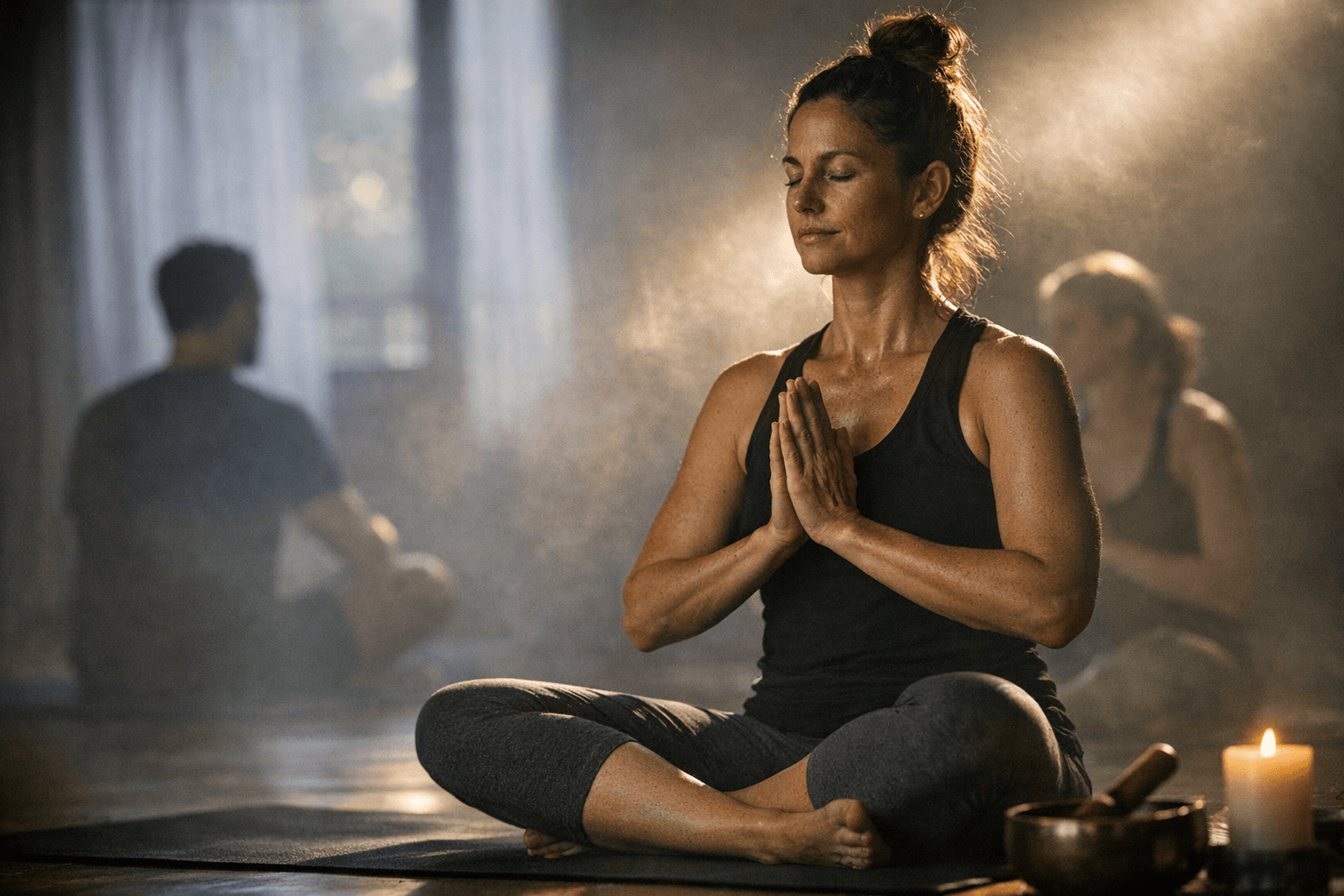
A statistics account’s list of stress-busters, yoga among them, raced across social feeds with thousands of likes and reposts, because it tapped into a familiar promise: calm the body, lower cortisol, feel better fast. For yoga readers, the appeal is obvious. For everyone else, the claim lands in the middle of a real, still-developing body of research.
Harvard Health has said yoga can lower the stress hormone cortisol and activate the parasympathetic nervous system, the body’s rest-and-digest mode. But a Harvard review of yoga studies also made the limits plain: yoga may help mental and physical health, yet more research is needed to establish those benefits firmly. The field is broad, and not every practice is the same. The strongest signals tend to come when yoga includes breathing and meditation, not just poses alone.
That difference matters in the studies that have tried to measure cortisol directly. A 2014 randomized controlled trial compared restorative yoga with stretching over a full year, including a six-month intervention and a six-month maintenance phase, while tracking salivary cortisol. A 2025 randomized controlled trial looked at online Yoga Nidra, testing 11-minute and 30-minute versions and measuring stress, sleep, well-being and diurnal salivary cortisol. Research tied to Nicolas Rohleder, Karl-Heinz Renner, Esther N. Moszeik and Sat Bir Singh Khalsa has helped push the conversation beyond studio lore and into measurable outcomes.
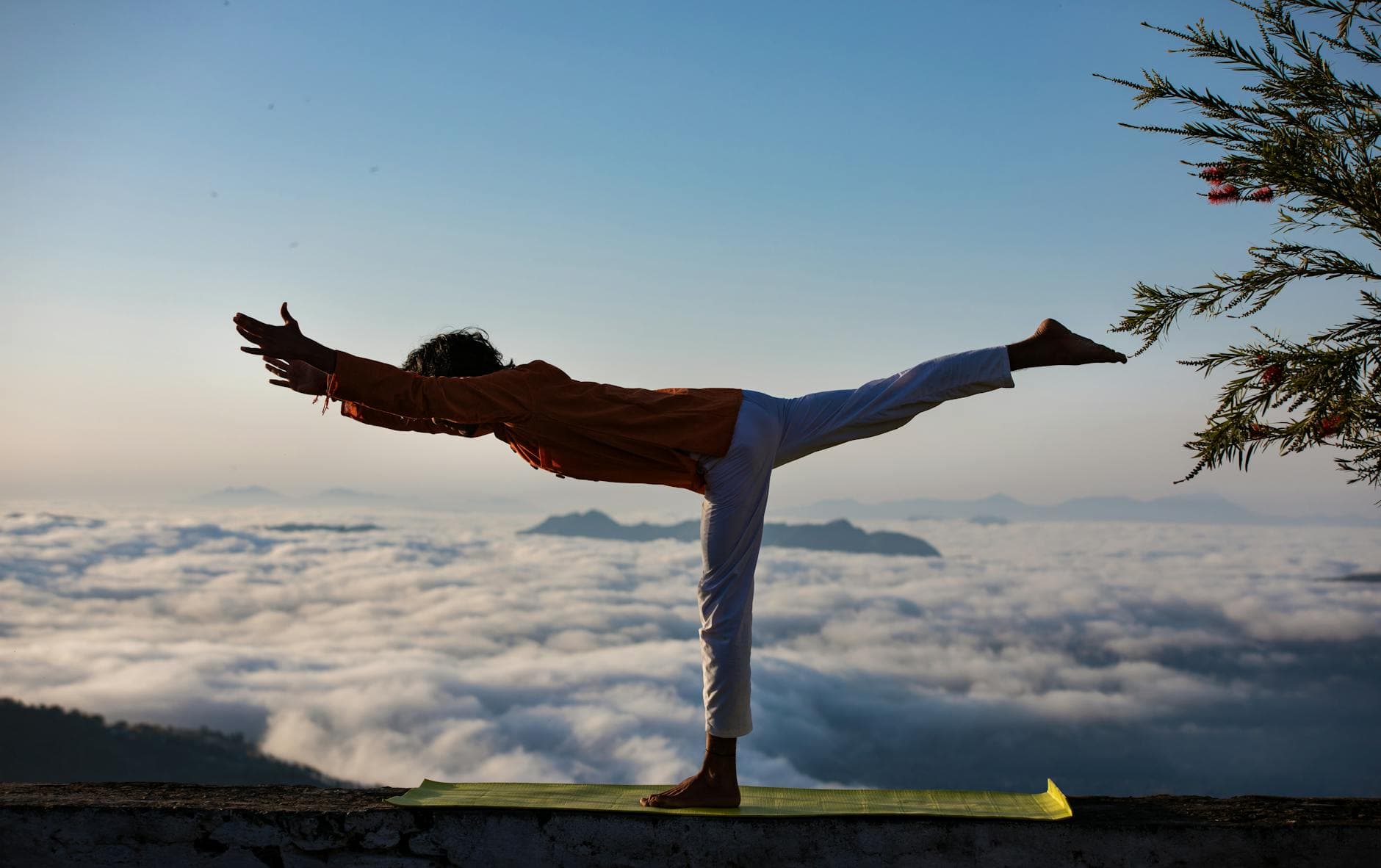
The research trail runs through Montreal, Quebec, Canada, Erlangen, Germany, and India, and it reaches beyond healthy adults. In early breast cancer patients, yoga may have helped manage psychological distress and modulate circadian stress-hormone patterns. In medical students, simplified kundalini yoga was studied for its effects on perceived stress and serum cortisol levels. A laughter-yoga study in healthy middle-aged women found a reduced cortisol response to acute stress, showing how specific the question has become: not just whether yoga helps, but which kind, for whom, and under what conditions.
Still, the evidence is not one-way. A classroom-based yoga intervention found no extra cortisol drop immediately after a single class, even though teachers saw behavioral benefits. Harvard Health has also noted that one study found a single 90-minute yoga session could lower cortisol, which suggests the response may depend on timing, style and setting. The viral claim is not made up, but it is simplified. Yoga’s place in stress relief looks real, complicated and still being mapped, one study and one breath at a time.
This article was produced by Prism’s automated news system from verified source data, official records, and press releases, then run through automated quality and moderation checks before publishing. The system is built and supervised by the people who set the standards it runs under. Read our full AI policy.
Did this article answer your question?