Study Links Phthalates in Yoga Wear to Preterm Birth Risk
A global analysis tied DEHP exposure to 1.97 million preterm births in 2018, putting yoga pants and gym clothes under scrutiny.

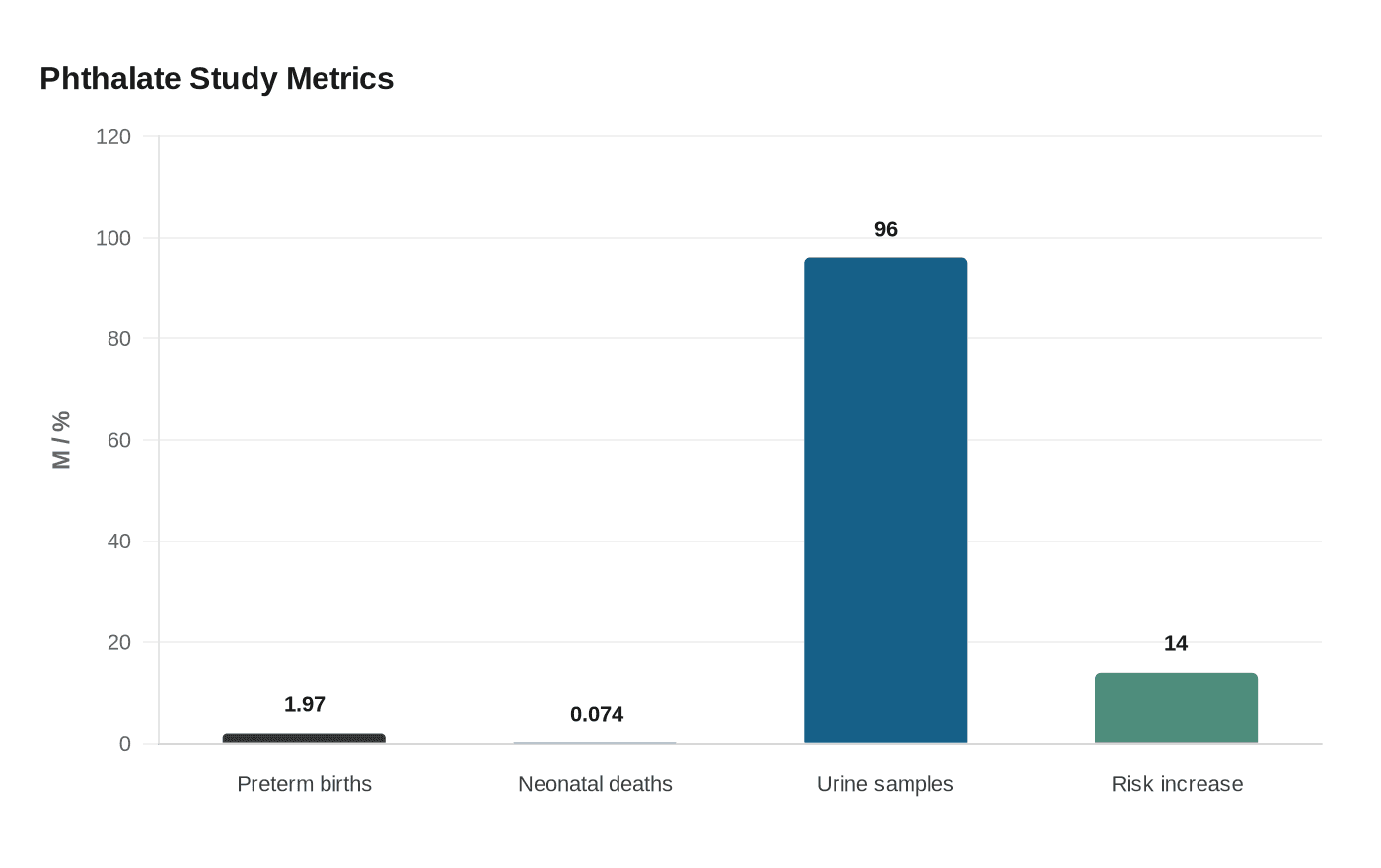
Yoga pants are part of a much bigger phthalate story, and the numbers are hard to ignore. A March 31 analysis in eClinicalMedicine estimated that DEHP exposure was tied to 1.97 million preterm births worldwide in 2018, more than 8% of the global total, and about 74,000 neonatal deaths. Bryan Johnson cited the study, but the real message is broader: the chemicals that make plastics more flexible can reach the body through more than one route, including clothing, dust, food, air, cosmetics, detergents, and bug repellents.
The researchers focused on DEHP and DINP, two widely used plasticizers found in many consumer products, and said the burden was highest in South Asia, the Middle East, and Africa. That makes the issue a public-health problem as much as a consumer one. The World Health Organization says 13.4 million babies were born preterm in 2020, and complications from preterm birth caused about 900,000 under-5 deaths in 2019. The NYU Langone Health team said reducing exposure, especially in vulnerable regions, could help prevent early births and the health problems that often follow.
This was not the first warning sign. A 2022 pooled U.S. analysis of 16 studies involving 6,045 pregnant people found phthalate metabolites in more than 96% of urine samples, and exposure to four of the 11 phthalates studied was linked with a 14% to 16% greater probability of preterm birth. The new work also leans on earlier ECHO Program research from the National Institutes of Health, which has kept phthalate exposure on the radar for years rather than treating it as a fresh scare.
For shoppers, the textile angle is the part worth watching. A 2024 review of more than 120 studies on clothing and textile products found phthalate esters documented in the category, with concerns including endocrine disruption, reproductive toxicity, and potential carcinogenicity. That does not mean every pair of leggings is a hazard, but it does mean yoga wear, gym clothes, and other plastic-heavy textiles deserve scrutiny alongside better-known exposure sources. The practical takeaway is not panic. It is to treat phthalates as a real, cumulative exposure issue and to remember that one pair of pants is rarely the whole risk story.
This article was produced by Prism’s automated news system from verified source data, official records, and press releases, then run through automated quality and moderation checks before publishing. The system is built and supervised by the people who set the standards it runs under. Read our full AI policy.
Did this article answer your question?