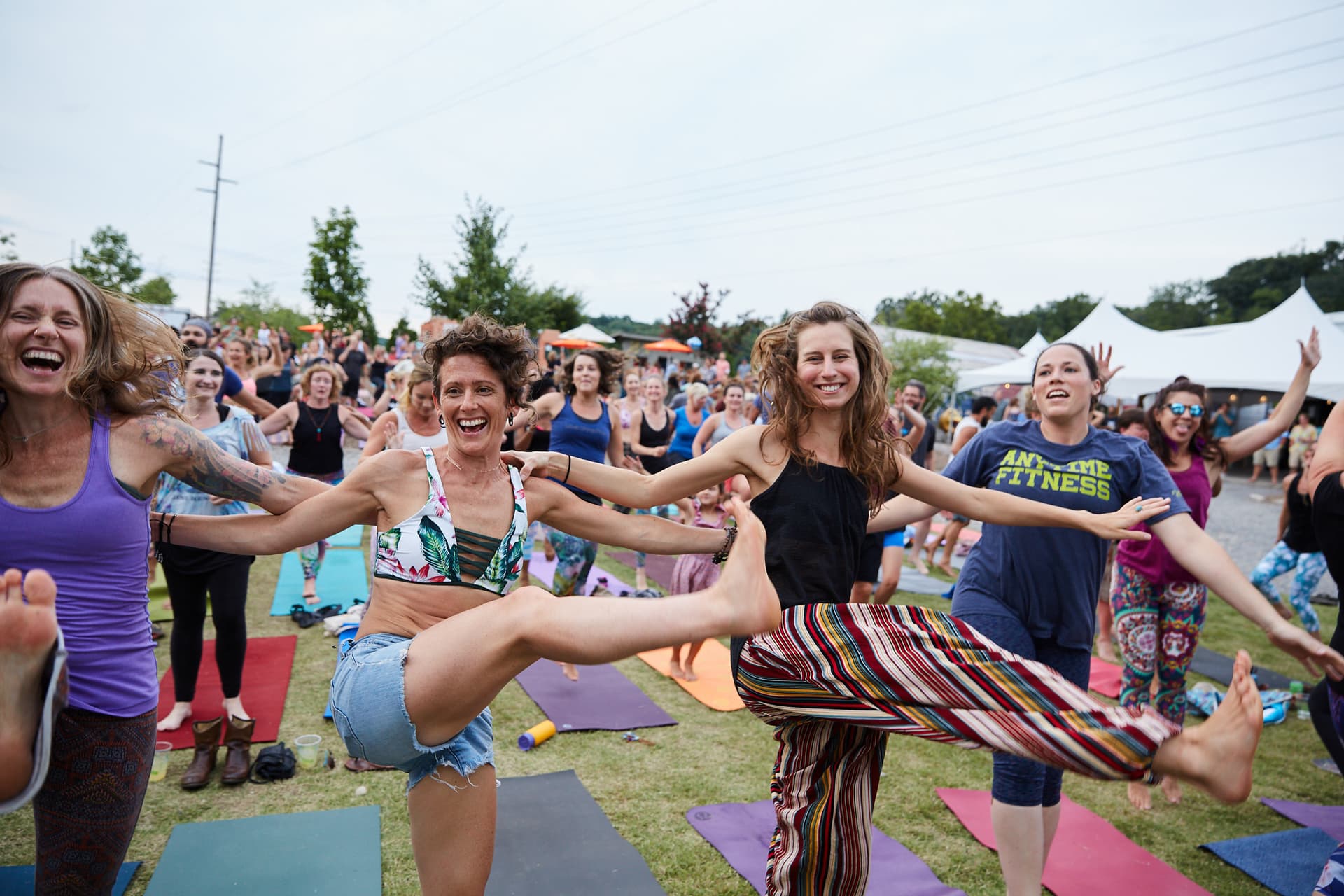
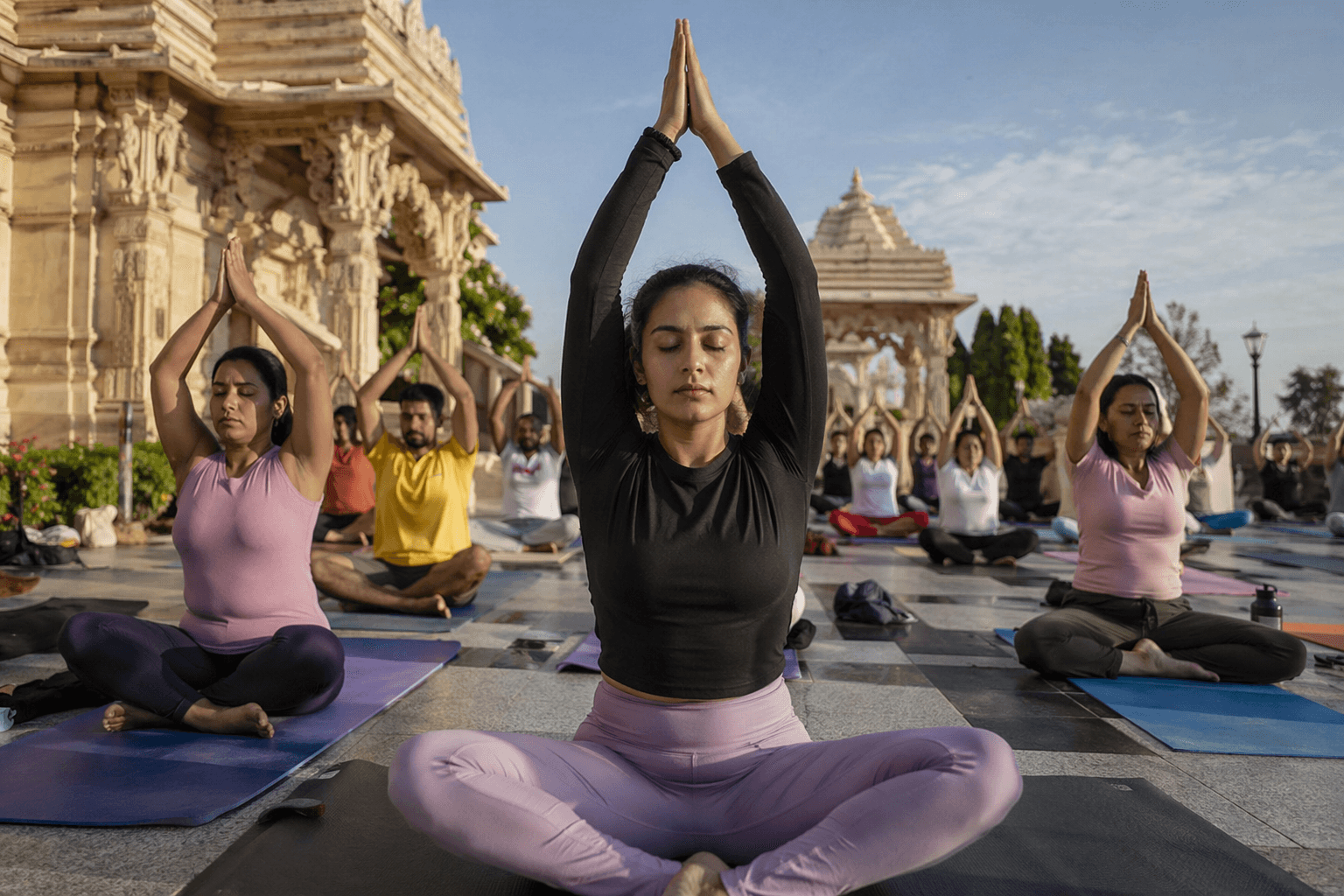
Yoga helps corporate workers manage burnout and anxiety
Corporate burnout is turning yoga into a nervous-system tool, not a flexibility flex, with breathwork emerging as the quickest way in.
Corporate burnout keeps dragging yoga back into the workplace conversation because it answers a problem that sleep alone does not fix. Wellness and life coach Sangeeta Sharma’s pitch is blunt: yoga works when it combines movement, breath, and awareness into one practice, especially for workers who feel frayed by long hours, constant notifications, and pressure to perform.
What makes that framing land is the shift from “I’m tired” to “my system is stuck.” Sharma draws a line between ordinary fatigue and burnout, and that distinction matters because burnout is not just a bad week, it is a sustained stress state that leaves people feeling detached from their bodies and out of balance.
Why burnout has become a yoga story
The World Health Organization defines burnout as an occupational phenomenon caused by chronic workplace stress that has not been successfully managed. It has three dimensions: exhaustion, mental distance or cynicism about work, and reduced professional efficacy. That is a much bigger brief than stretching tight hips after a desk job.
The scale explains why employers keep circling back to yoga and other recovery tools. The WHO says about 12 billion working days are lost every year to depression and anxiety, at a cost of about US$1 trillion in lost productivity. The International Labour Organization points to the usual suspects behind work-related stress, including workload, work pace, job control, organizational culture, career development, job security, interpersonal relationships, and the home-work interface.
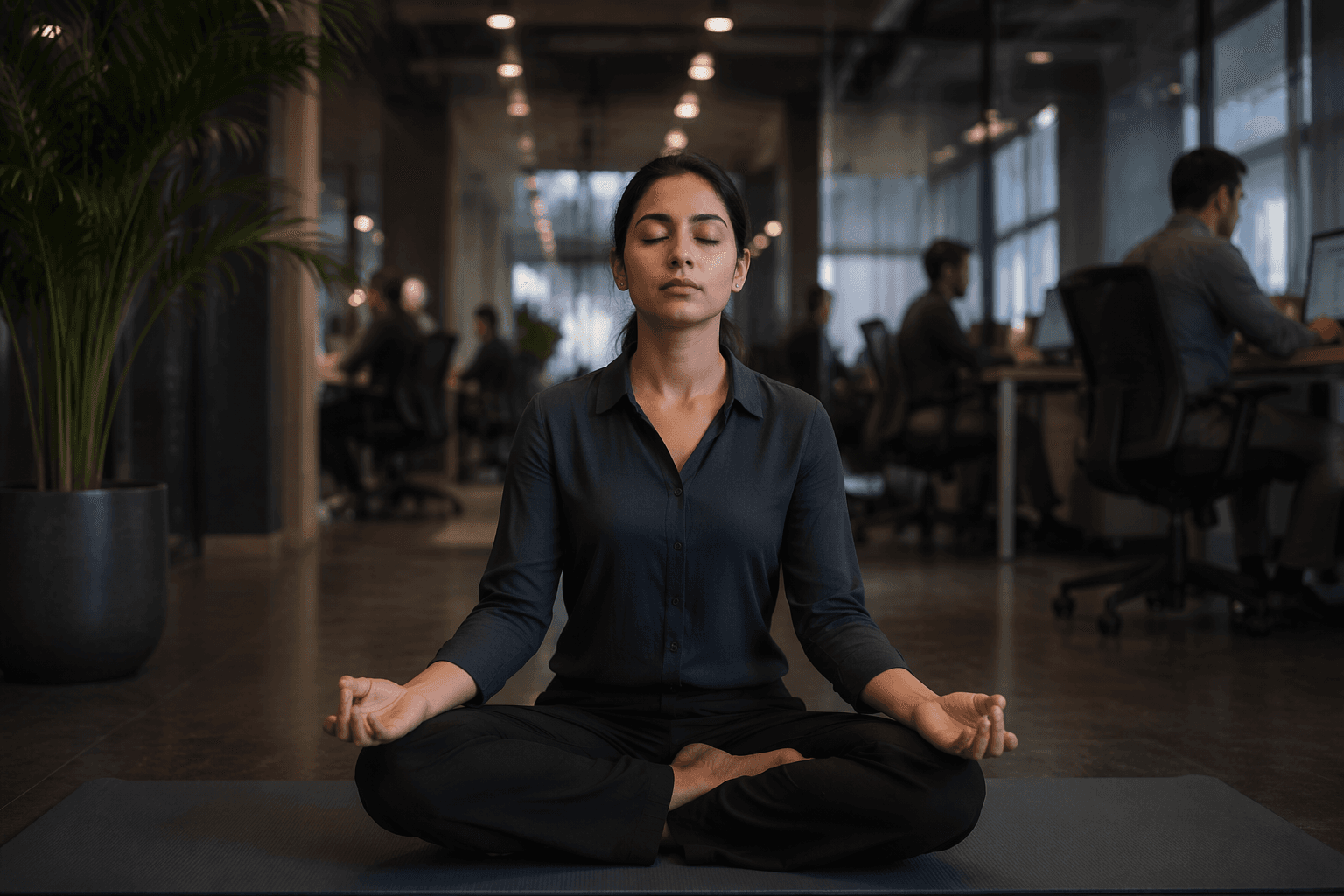
Yoga enters this picture not as a cure-all, but as one of the few things that can be done in a chair, in a conference room, or between calls. That makes it unusually compatible with white-collar stress, where the problem is often not a lack of fitness, but a nervous system that never fully powers down.
What the research actually supports
The evidence is not fantasy, and it is not hype either. A review in Frontiers in Public Health found that yoga in workplace settings can reduce work-related stress. A systematic review published in MDPI came to the same broad conclusion, saying workplace yoga interventions are effective for reducing work-related stress.
There is also useful qualitative evidence from a 2024 study of workplace yoga practitioners. Participants said yoga improved wellbeing and coping with stress, and they singled out yogic breathing as central to feeling less stressed. That detail matters because it lines up with how stressed office workers actually use yoga in real life: not as a perfect 75-minute flow, but as a fast way to interrupt spiraling thoughts and physical tension.
Sharma’s emphasis on breathwork fits that pattern. Rhythmic breathing is the most immediate entry point because it can settle the nervous system quickly, which is exactly why breathing practices keep showing up in conversations about burnout, anxiety, and mental overload.
What kind of yoga is realistic for a burned-out desk worker
The overcomplicated version of yoga does not help much here. If you are already overloaded, the realistic options are the ones that are short, repeatable, and not dependent on being flexible or athletic. The whole point is to create a conversation between the body and the self, not to audition for advanced poses.
A practical workplace version usually looks like this:
- A few minutes of rhythmic breathing before the day starts or before a difficult meeting
- A short stretch or mobility sequence between long blocks of sitting
- A brief, low-pressure class in a workplace wellness program rather than a performance-driven studio session
- A focus on awareness and recovery, not on chasing peak flexibility or strength
That is where yoga becomes more useful than a generic fitness class for corporate stress. Breathwork can be done anywhere, and the breathing piece is often the part people remember most because it is the easiest to deploy when the inbox is exploding.
Why yoga keeps resurfacing around International Yoga Day
The timing also helps explain the renewed attention. The United Nations proclaimed June 21 as the International Day of Yoga in December 2014 after a proposal endorsed by a record 175 member states, and the observance was first celebrated in 2015. The UN says yoga originated in India and designed the day to raise worldwide awareness of yoga’s benefits.
This year, International Yoga Day falls on Sunday, June 21, 2026, and Indian media reports the official theme as “Yoga for Healthy Ageing,” with Kolkata named as the main event location. The Ministry of Ayush has used that framing to widen yoga’s appeal beyond burnout and anxiety, toward longevity, mobility, and preventive health. That broader message helps explain why a workplace-stress story can sit comfortably beside a public-health campaign and still feel timely.
The corporate angle is not replacing yoga’s older meanings, it is just the version that keeps meeting people where they are. For a workforce that is exhausted, cynical, and short on recovery time, the smallest useful entry point is often the one that sticks: a few steady breaths, a little movement, and enough awareness to notice the stress response before it runs the whole day.
This article was produced by Prism’s automated news system from verified source data, official records, and press releases, then run through automated quality and moderation checks before publishing. The system is built and supervised by the people who set the standards it runs under. Read our full AI policy.
Did this article answer your question?