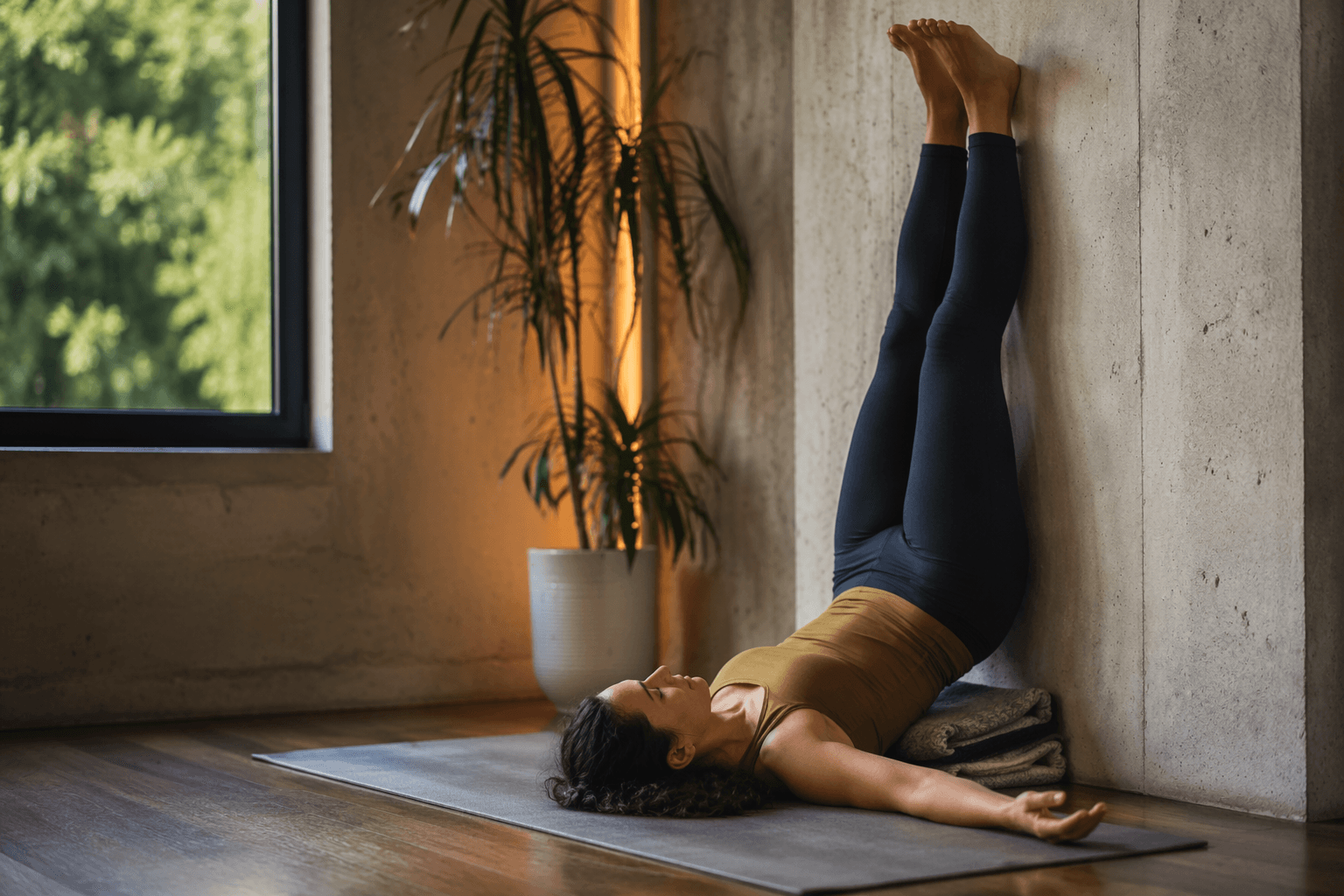
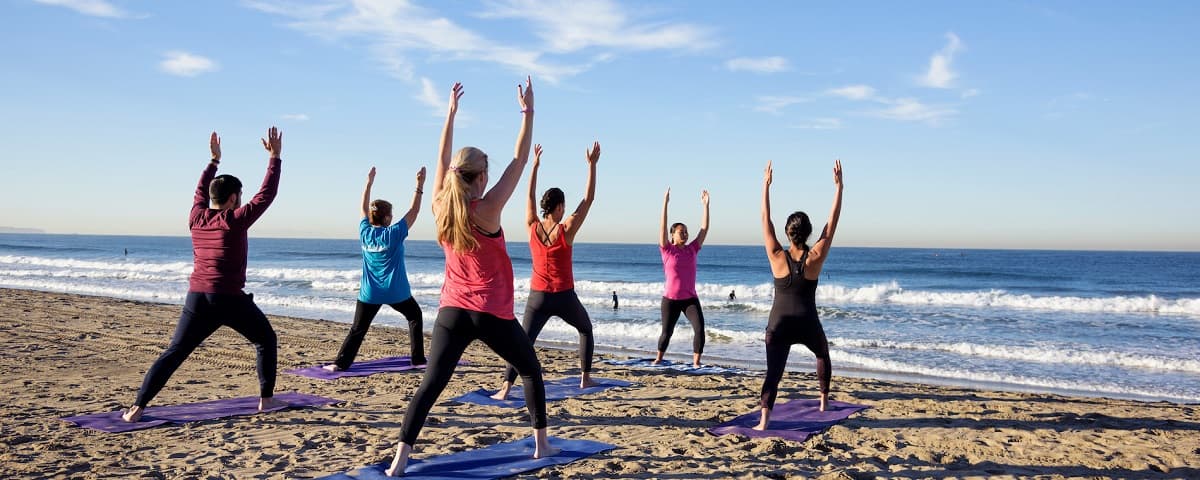
Yoga joins Parkinson’s wellness event focused on movement and brain health
At IMG Academy, 22 people with Parkinson’s tried yoga, tennis and mind games in a movement session built around balance, mobility and brain health.
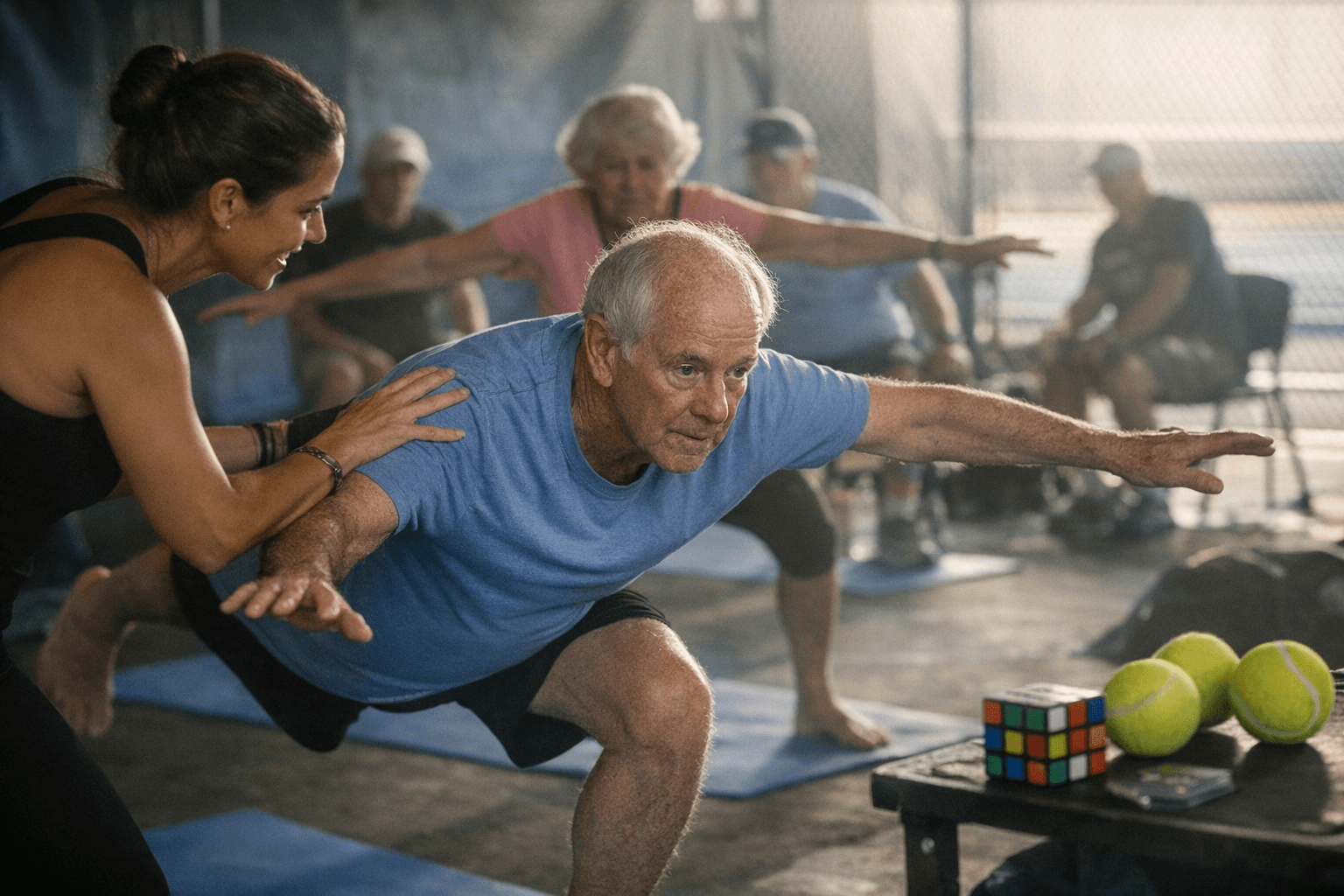
Twenty-two participants moved through yoga, tennis, mind games and other exercises at IMG Academy in Bradenton, where the goal was not a studio flow but a practical look at how movement can support life with Parkinson’s disease.
The April 18 event was hosted by IMG Academy in partnership with the Neuro Challenge Foundation for Parkinson’s and placed yoga inside a broader program built around physical activity, community support and brain health. On the academy’s sprawling Bradenton campus, which covers more than 500 acres, the day made a simple case: regular movement matters, and it matters in more than one way for people managing a Parkinson’s diagnosis.
Organizers framed yoga as one tool among several. The program centered on exercises meant to reinforce balance, coordination and cognitive engagement, with April Moschini, the program director, emphasizing the need for the right kind of exercise every day. IMG Academy Foundation executive director Kate Massey pointed to cross-body training as one way to help participants keep their minds sharp, a reminder that the event was designed to challenge both the body and the brain.
That approach lines up with guidance from the Parkinson’s Foundation, which says exercise is a vital part of disease management and can help maintain balance, mobility, flexibility and quality of life. The foundation also says research links consistent exercise to improvements in depression, constipation and thinking skills, and that at least 2.5 hours of exercise per week can help slow symptom progression. In that context, yoga fits less as a quick fix than as a steady, adaptable practice that can support other therapies.
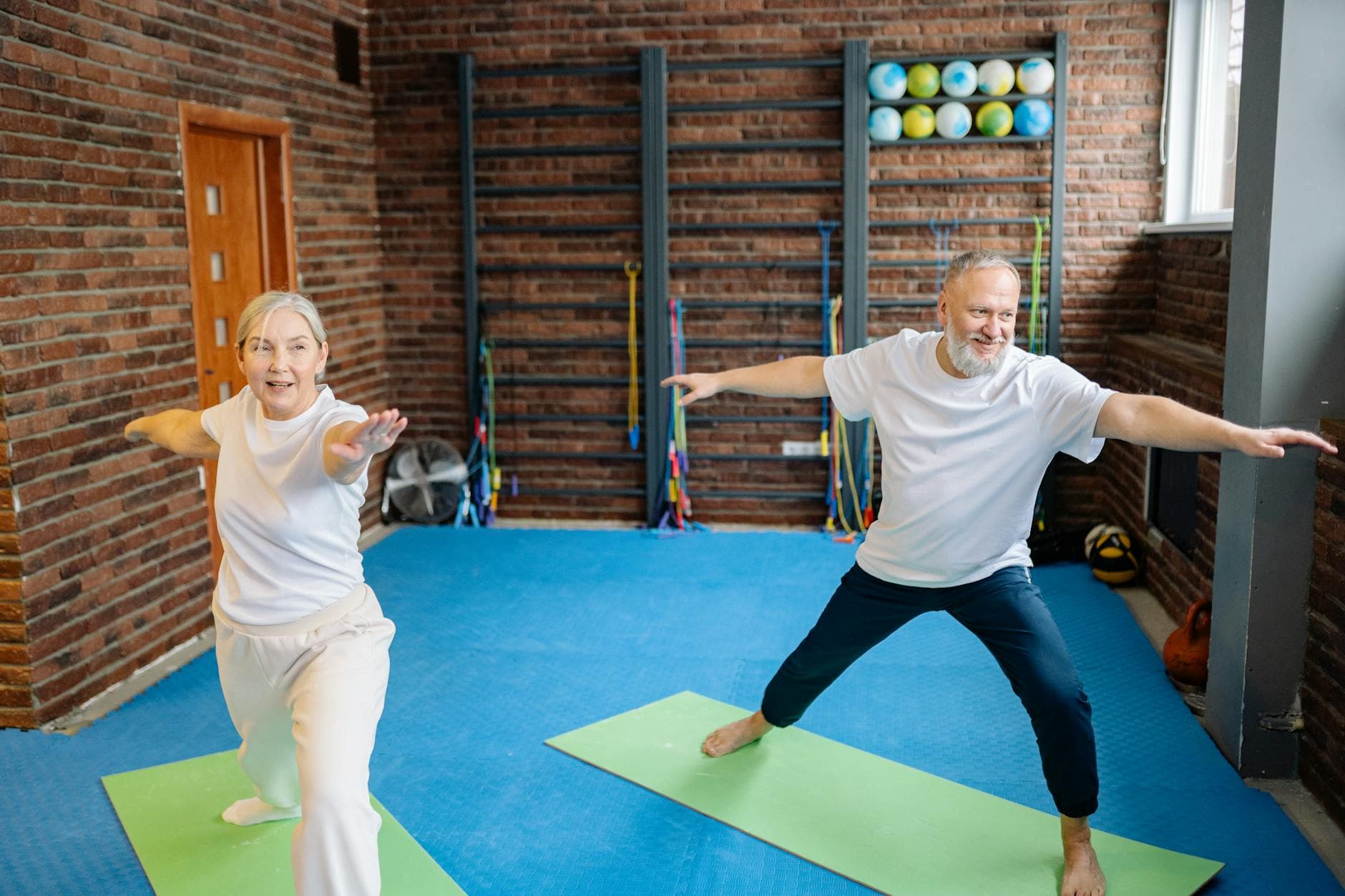
The research backing yoga is increasingly specific. A 2021 meta-analysis indexed in PubMed concluded that yoga improved motor function, balance, functional mobility, anxiety, depression and quality of life in people with Parkinson’s. A randomized pilot study also found significant improvement in UPDRS scores in the yoga group over 6 and 12 weeks. More recent review literature has described yoga as a mind-body intervention with potential benefits for movement, balance and emotional disturbance in Parkinson’s disease.
For participants such as Carolina Murphy, who said she has lived with Parkinson’s since 2015, exercise was not a wellness trend but part of daily management. That is where the event landed most clearly: yoga was one piece of a larger, evidence-based movement toolkit, brought into an elite sports setting and repurposed for a very different kind of strength.
Neuro Challenge Foundation for Parkinson’s, which says it supports nearly 3,000 families every year, has built year-round education, therapeutic programs and one-to-one care advising around that same idea. The Bradenton event showed how yoga now sits inside a wider care conversation, alongside tennis, boxing-style movement and other exercises that help people stay active, connected and more in control of their symptoms.
This article was produced by Prism’s automated news system from verified source data, official records, and press releases, then run through automated quality and moderation checks before publishing. The system is built and supervised by the people who set the standards it runs under. Read our full AI policy.
Did this article answer your question?