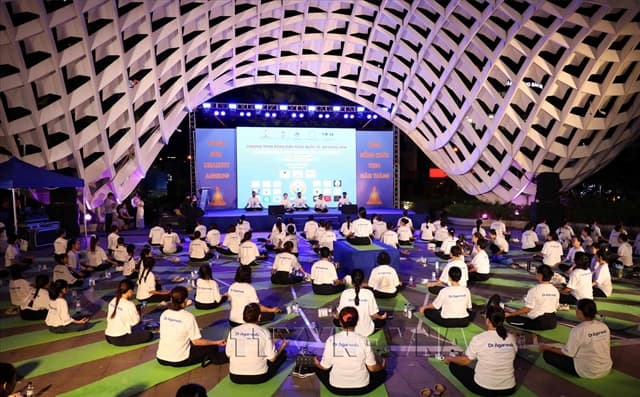
Yoga mat market expands as brands target niche use cases
Yoga mats are splitting into tightly defined niches, from travel-friendly folds to sweat-grip studio models. The real growth story is assortment strategy, not just more inventory.

The category is splitting, not just growing
The clearest change in the yoga mat market is not a simple surge in units. It is a shift toward smarter assortment design, where a mat is no longer treated as a single commodity but as a product built for a specific buyer, practice, and price point. HTS YOGA’s 2026 analysis frames the category as one that is branching into multiple use cases, material stories, and accessory ecosystems, and that matters for anyone watching what lands on shelves next.
That shift changes how the whole aisle works. A mat can now carry a sustainability message, a performance claim, a travel promise, or a premium design identity. In HTS YOGA’s view, the mat has become a platform, not just a rectangle on the floor.
Material choice is now part of the pitch
Eco-friendly materials sit near the center of the category expansion story. HTS YOGA points to natural materials and low-impact production as a clear draw for eco-minded shoppers, which means material selection is doing more than affecting feel or durability. It is becoming a core part of how the product is positioned and why someone chooses one mat over another.
That matters because material now signals values as much as function. A shopper walking into the category may not just be asking whether a mat is sticky enough or thick enough. They may also be asking whether it aligns with a lower-impact purchase, whether it looks and feels premium, and whether it tells a clearer brand story than a basic foam option ever could.
Performance mats are being built for sweat, grip, and studio reality
At the other end of the spectrum, non-slip performance mats are carving out their own lane. HTS YOGA’s trend list makes clear that hot-yoga users are a distinct audience, and grip plus sweat control are the priorities that define that segment. That means performance is no longer a vague promise. It is a targeted answer to one of the most practical frustrations in the room: slipping when the pace picks up.
This is where segmentation starts to pay off for both brands and retailers. A mat designed for hot-yoga practice does not need to compete on the same terms as a travel mat or a comfort mat. It needs to solve a different problem, and shoppers know it when they see it. The result is a more focused shelf, with clearer cues about who each mat is for and why it deserves a premium.
Travel mats, long mats, and wider formats show how use case drives the shelf
Portability is another category line that is getting sharper. HTS YOGA highlights travel mats for practitioners who need lighter gear that folds or rolls down smaller, and that is a meaningful shift for people who practice away from home or move between studios often. In that subcategory, the appeal is not maximum cushioning. It is convenience, packability, and the ability to keep practice in the routine even when the routine is on the road.
Size is also becoming a differentiator. Taller practitioners are being served by longer and wider formats, which shows how the market is moving away from a single standard dimension as the default answer. The same logic applies to joint-sensitive users, who may not want a travel mat at all and instead will look for thicker comfort mats that deliver more cushioning under knees, wrists, and hips. These are not minor variations. They are separate purchase motivations that can justify separate SKUs.
The real opportunity is basket building
HTS YOGA’s analysis also connects product strategy with merchandising strategy, and that is where the market gets especially interesting. The company says its own custom yoga mat program reflects the shift by organizing development around material choice, branding, packaging, and matching accessories rather than treating the mat as one SKU. That approach signals a market that is becoming more segmented and more brandable at the same time.
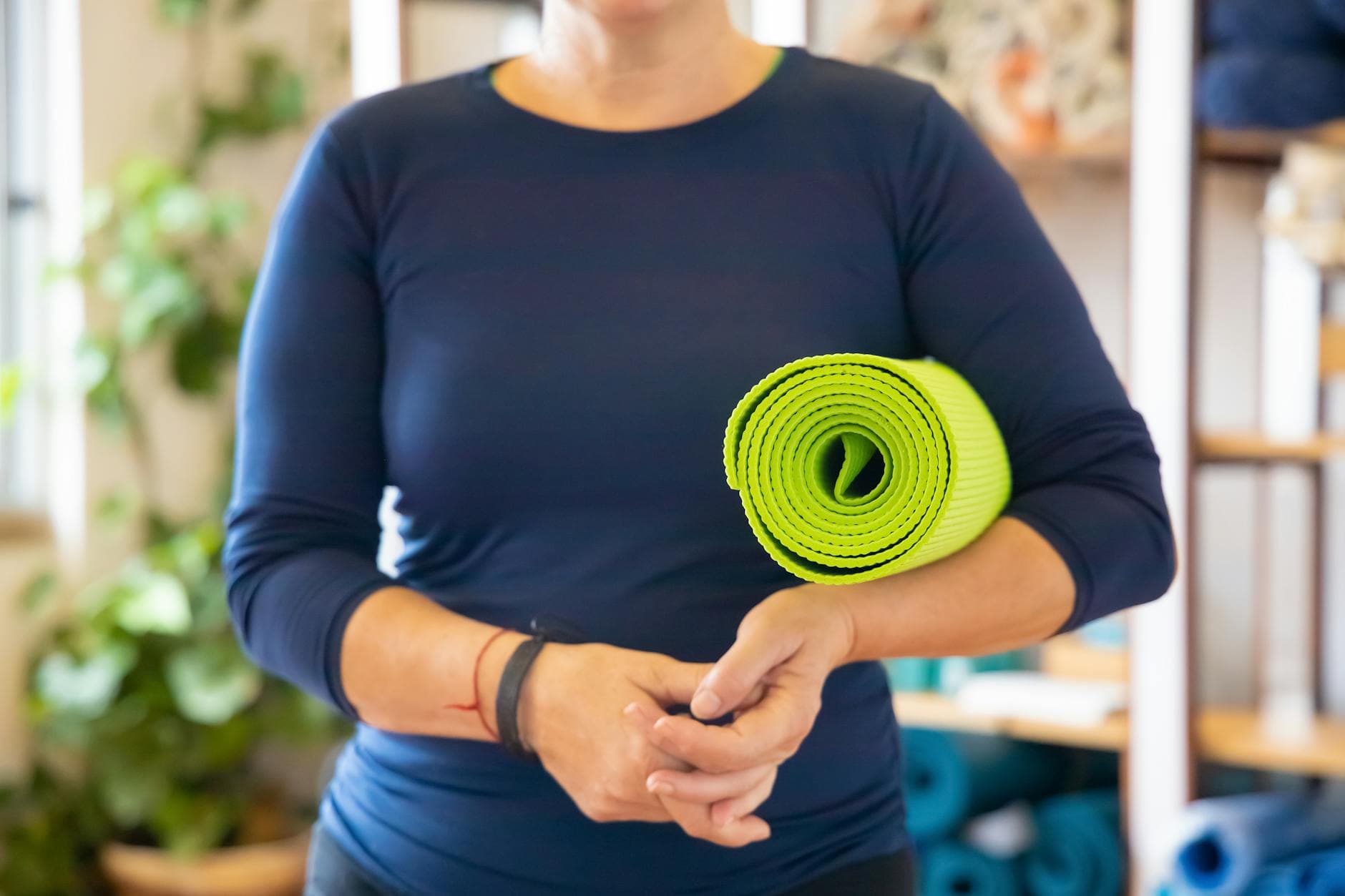
For retailers, the upside is straightforward: smarter assortment can grow basket size and improve customer fit. A mat can be the entry point, but the sale does not have to stop there. Packaging the mat with blocks, straps, or other accessories creates a clearer value proposition while also making the offer feel more complete to the buyer. That bundled approach is especially useful in a category where shoppers often want a practice-ready setup rather than a single standalone item.
What each shopper segment is really buying
The segmentation story becomes easiest to see when you map it to real practice needs:
- Eco-minded shoppers want natural materials or low-impact production.
- Hot-yoga users want grip and sweat control.
- Travelers want lighter mats that fold or roll smaller.
- Taller practitioners want longer and wider dimensions.
- Joint-sensitive users want extra cushioning and thicker comfort.
This is why the category is not really expanding through volume alone. It is expanding through fit. The more clearly a mat solves one of those needs, the easier it is for a brand to justify shelf space, packaging upgrades, and a higher price tier. The mat becomes less generic, more specific, and far easier to merchandise alongside accessories that complete the use case.
What to watch next on shelves
The most important signal in HTS YOGA’s 2026 analysis is that the market’s growth story is now built around differentiation. Eco-friendly materials, non-slip performance construction, travel formats, extended sizing, thicker cushioning, and bundle-ready accessories are all part of the same shift away from one-size-fits-all thinking. That is the change shaping assortment decisions right now.
For buyers, that means the next wave of yoga mats should feel more tailored from the moment they hit the shelf. For brands, it means the winning product is not simply the one that says “yoga mat” the loudest. It is the one that makes its use case obvious, its material story legible, and its value easy to expand with the right companion gear.
This article was produced by Prism’s automated news system from verified source data, official records, and press releases, then run through automated quality and moderation checks before publishing. The system is built and supervised by the people who set the standards it runs under. Read our full AI policy.
Did this article answer your question?