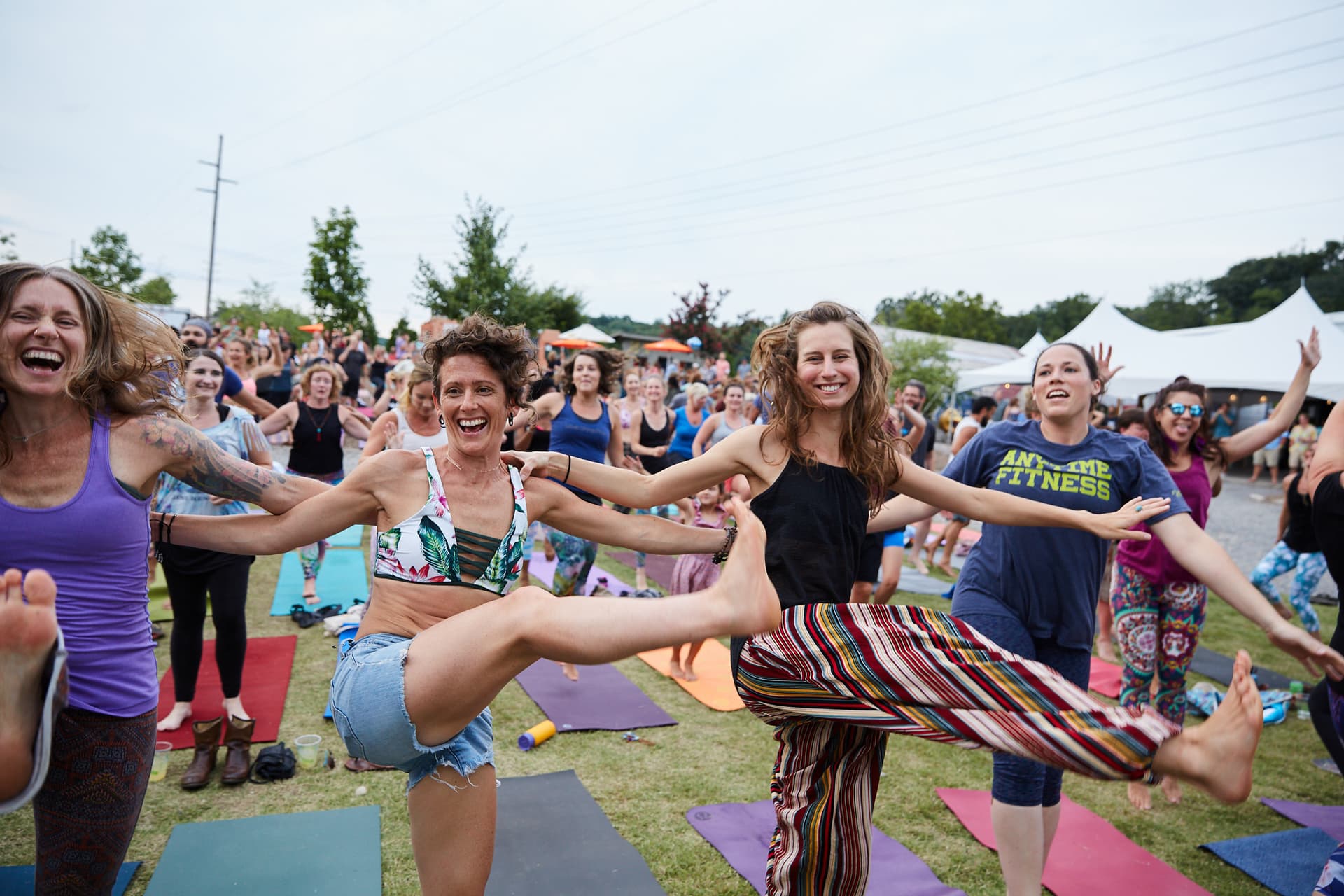
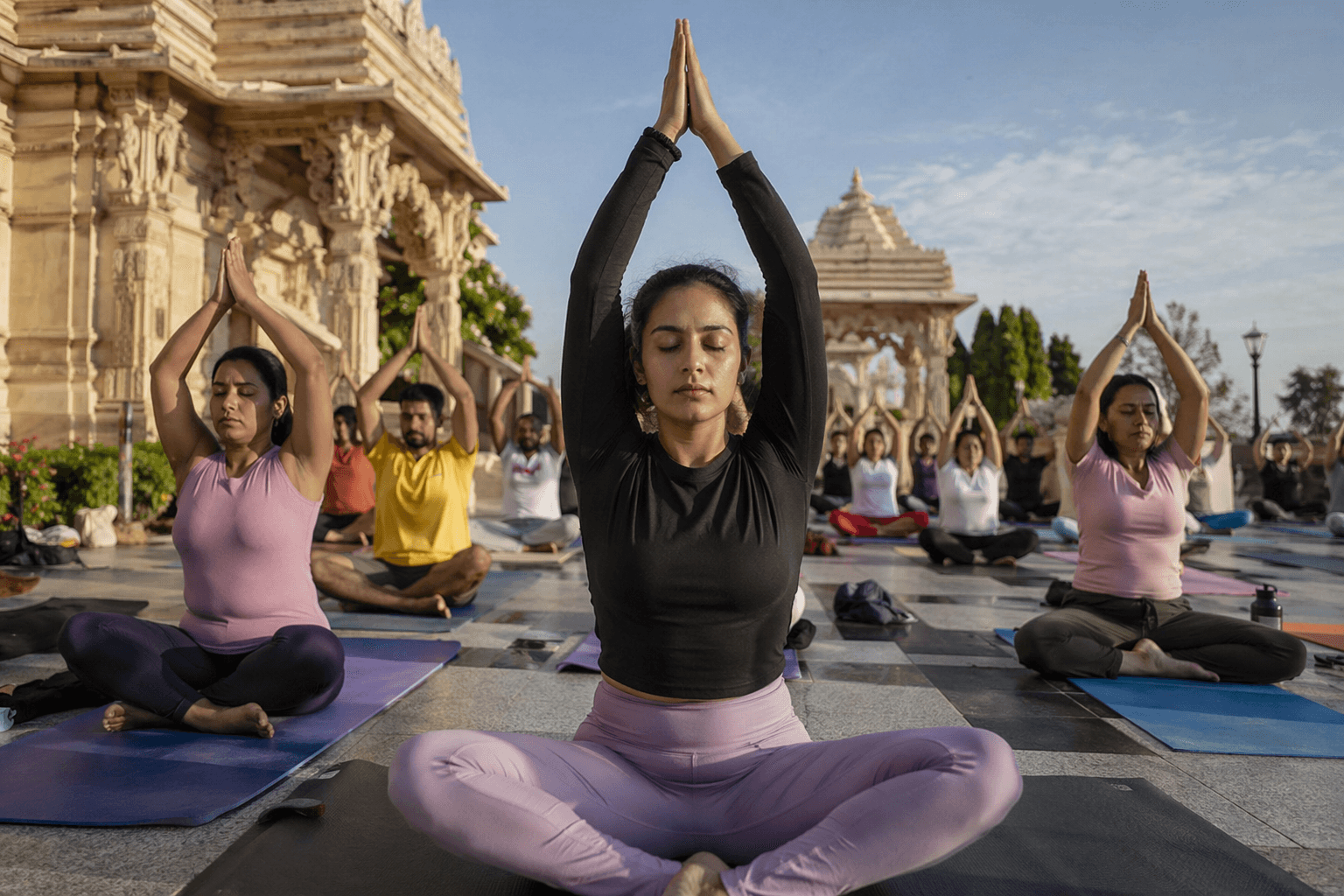
Yoga retreat demand surges as travelers seek stress relief and connection
Yoga retreats are shifting from escape to recovery, with travelers now booking for burnout relief, mental health, and connection, not just flexibility.
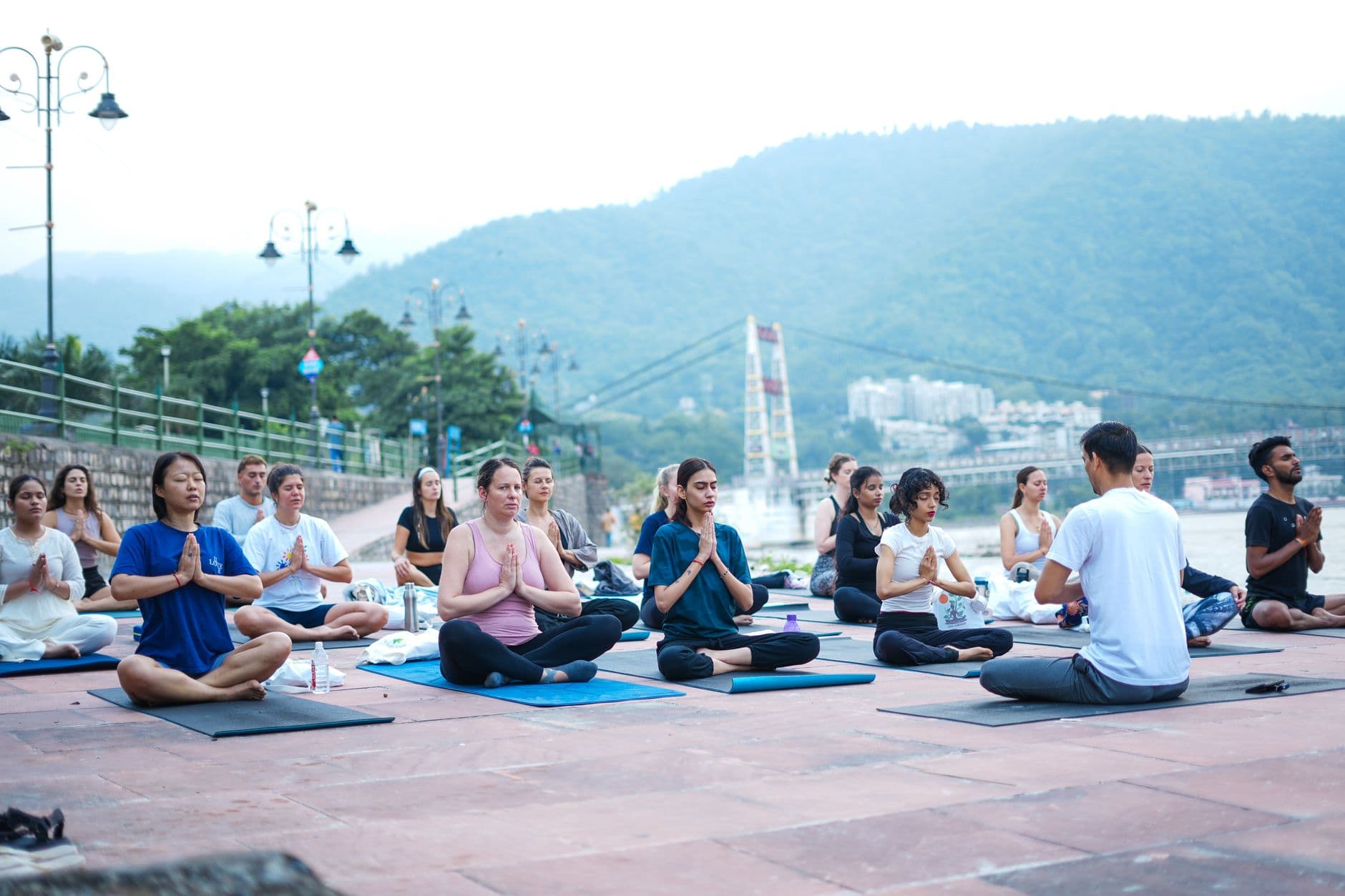
Yoga retreats are being sold less like a getaway and more like a reset. BookRetreats.com’s State of Retreats 2026 Report shows travelers chasing stress relief, mental health support, and real connection, while also demanding trips that feel more flexible, more varied, and easier to fit into modern life.
A market driven by recovery, not just flexibility
The clearest signal is demand. BookRetreats says 78% of respondents are interested in joining a yoga retreat in the next 12 months, and searches for yoga retreats are up 15% year over year. That is not a niche blip, it is a real behavior shift, especially when 64% of surveyed travelers already say they have a retreat planned in 2026.
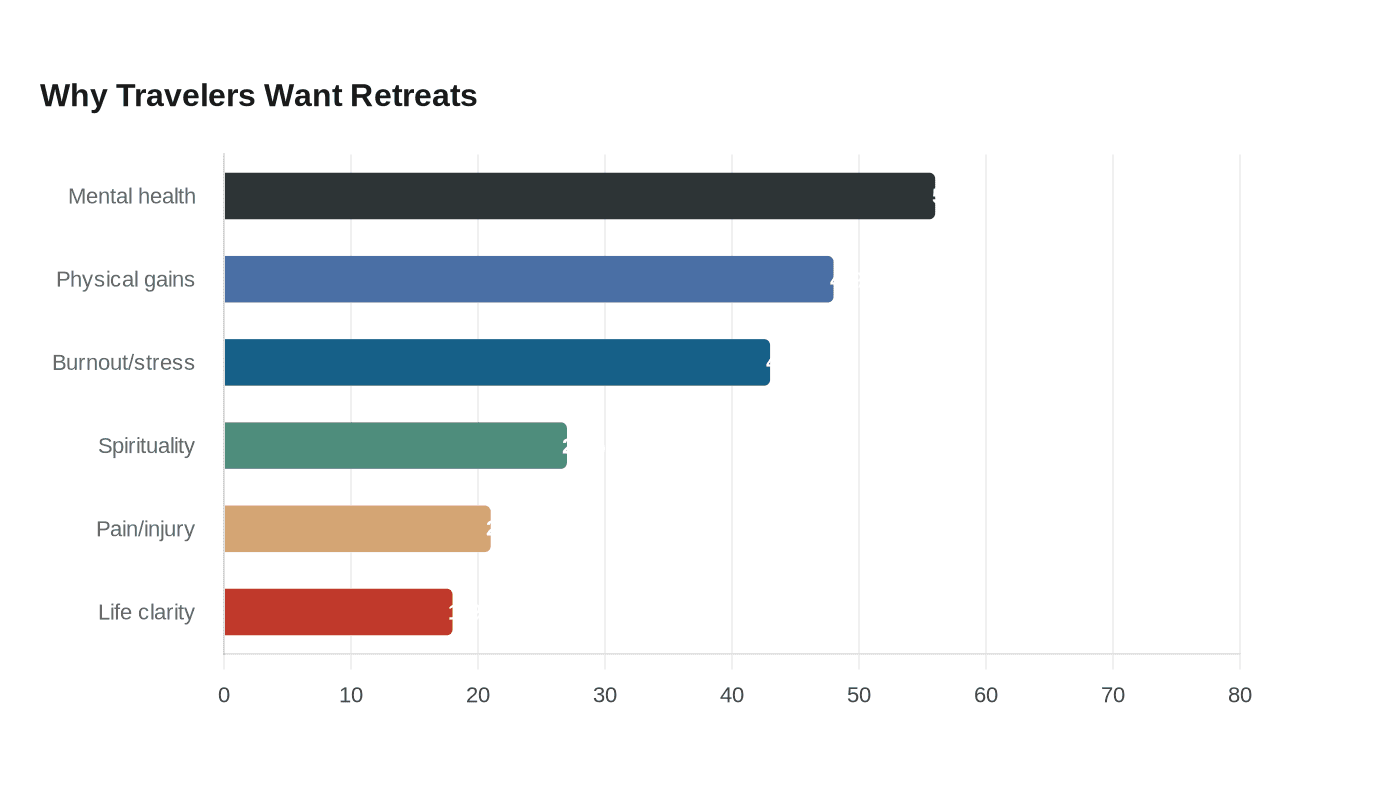
The reasons people are going are just as revealing. Among would-be retreat travelers, 56% cite mental health and wellbeing, 48% point to physical gains like strength and flexibility, 43% are looking for burnout and stress recovery, 27% want deeper spirituality, 21% are hoping to heal pain or injury, and 18% want clarity on life decisions. In other words, the retreat buyer is not just shopping for a pretty shala and a clean mat. They are shopping for a reset that feels emotionally useful.
That framing is especially strong among younger travelers. Half of Gen Z and 57% of Millennials name burnout and stress recovery as their main reason for wanting a yoga retreat, compared with just 20% of Boomers. The gap says a lot about who is using yoga travel right now: not only the flexibility crowd, but also the overworked, overstimulated, phone-bound crowd looking for a clean break.
What travelers are asking retreats to do differently
The old one-size-fits-all retreat model is getting squeezed. BookRetreats says 40% of respondents want mixed-style yoga retreats, and 42% want yoga paired with another activity such as surfing, cooking, Pilates, or sound healing. That is the big clue for where the market is heading: travelers want yoga, but they do not want yoga alone.
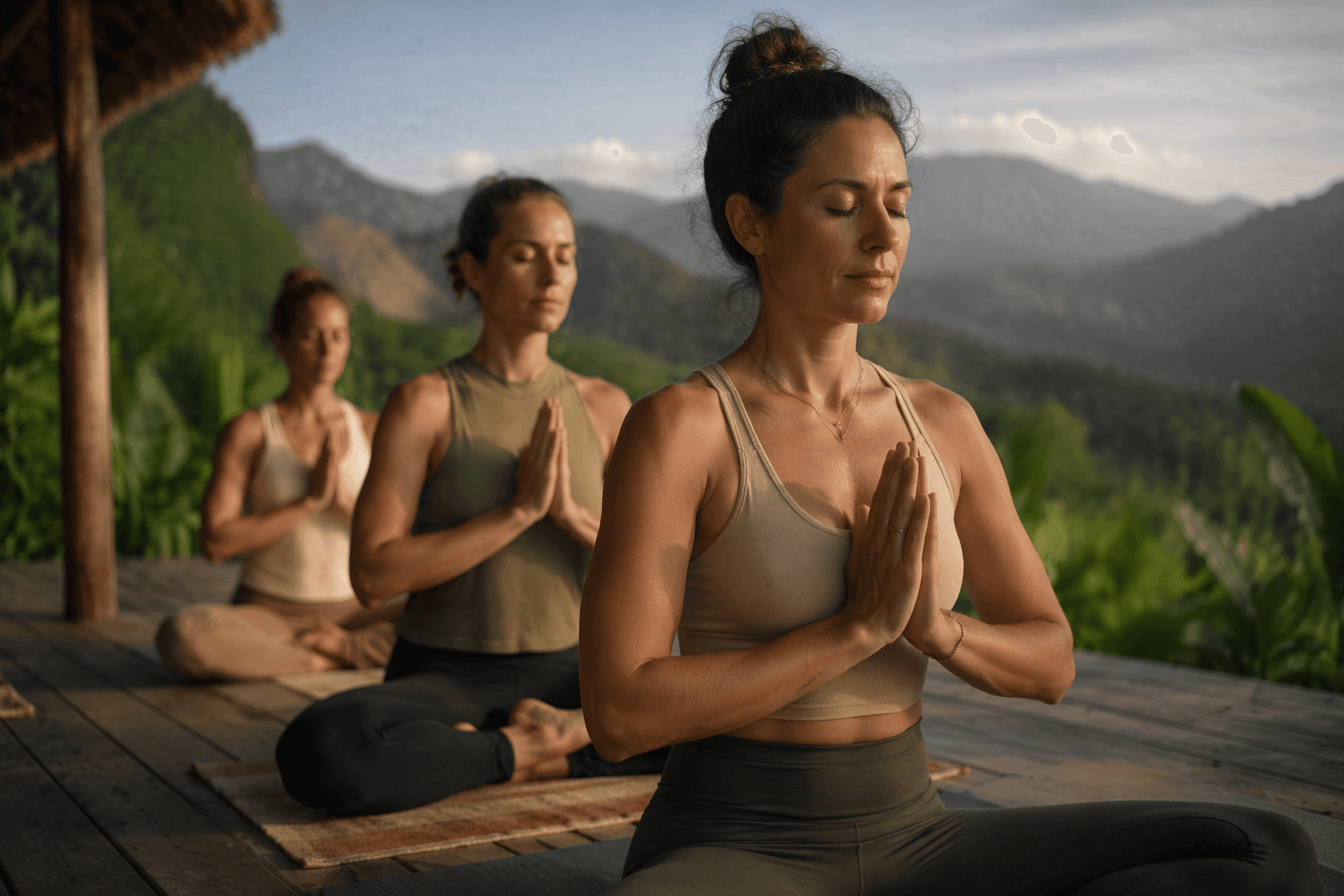
For retreat hosts, that means the best-selling format is likely to be less rigid and more modular. Instead of building around endless back-to-back classes, the smarter offering gives guests enough structure to feel held and enough variety to keep the experience from feeling repetitive. A morning vinyasa class, an afternoon surf lesson, an evening sound bath, or a cooking session can make the whole trip feel more livable, especially for guests whose real goal is recovery rather than athletic intensity.
The buying behavior supports that shift. BookRetreats’ broader retreat report says 49% of U.S. travelers surveyed plan to spend on a retreat in 2026, ahead of spa and wellness treatments, supplements, gym or studio memberships, and therapy sessions. That is a strong signal that retreats are no longer competing only with other vacations. They are competing with all the other ways people spend money when they are trying to feel better.
Why destination choice is changing too
Location still matters, but not in the old postcard sense. BookRetreats’ related 2026 destination rankings point to quieter, more affordable places, and it named Albania the world’s top yoga destination for 2026, saying demand there was up 203%. That kind of movement tells you the retreat market is broadening beyond prestige labels and toward value, calm, and a sense that the place itself supports the purpose of the trip.
Technology is also reshaping how people find these trips. BookRetreats says AI, wearables, and digital platforms are changing how people discover and practice yoga, and that they are influencing where they travel for it. For the market, that means discovery is becoming more personalized and less dependent on a glossy brochure or a single well-known resort. If someone’s watch is telling them they need recovery, and their feeds are serving up wellness content every night, the retreat decision starts to look less like indulgence and more like a practical intervention.
Yoga is now part of the wider wellness economy
This surge is not happening in isolation. The Global Wellness Institute says wellness tourism spending reached $894 billion in 2024, while its broader wellness economy reached $6.8 trillion in 2024. In another GWI forecast track, wellness tourism spending rose from $651 billion in 2022 to $868 billion in 2023 and $1 trillion in 2024, with a projection of $1.4 trillion by 2027. However you read the exact figures, the direction is unmistakable: wellness travel is massive, and yoga is riding inside that growth.
The health case is strong too. The CDC describes yoga as a complementary health approach used to promote physical and mental well-being, and says it can enhance quality of life, improve mental health outcomes, and help with pain management. The CDC also notes that physical activity can reduce short-term feelings of anxiety in adults. Yoga Alliance’s research hub adds that yoga is associated with reduced stress, better mobility, and stronger social connection.
That combination explains why yoga retreats are gaining traction outside the usual core audience. This is no longer only about practice refinement or flexible hips. It is about people trying to manage pain, calm anxiety, and get back in touch with other humans in a hyper-digital life.
How to read a retreat listing now
If you are sorting through retreat options, the best listings will tell you three things fast: what kind of yoga is actually on offer, what else is built into the schedule, and whether the destination fits your budget and energy level. The data says mixed-style programming and paired activities are not side notes anymore, they are central to what travelers want.
A good retreat should make it easy to tell whether it is built for pure practice, burnout recovery, or a broader reset. It should also be honest about pacing and price, because the new buyer is not just escaping. They are trying to come back feeling better, and that changes what counts as value.
That is the bigger story here. Yoga retreats are no longer being sold as a place to disappear for a week. They are being chosen as a way to recover, reconnect, and leave with more than a tan, which means the next wave of winning retreats will be the ones that understand burnout is now part of the itinerary.
This article was produced by Prism’s automated news system from verified source data, official records, and press releases, then run through automated quality and moderation checks before publishing. The system is built and supervised by the people who set the standards it runs under. Read our full AI policy.
Did this article answer your question?