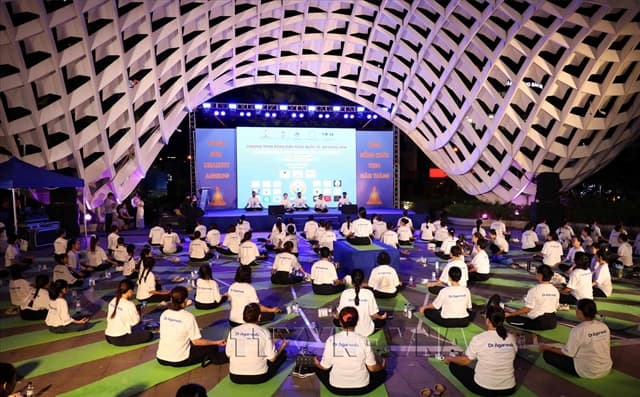
Yoga shows promise as a cost-effective dry eye treatment in trial
An online 12-week Jyothi Trataka protocol eased dry-eye symptoms and improved tear-film stability, but only in a small, open-label trial.
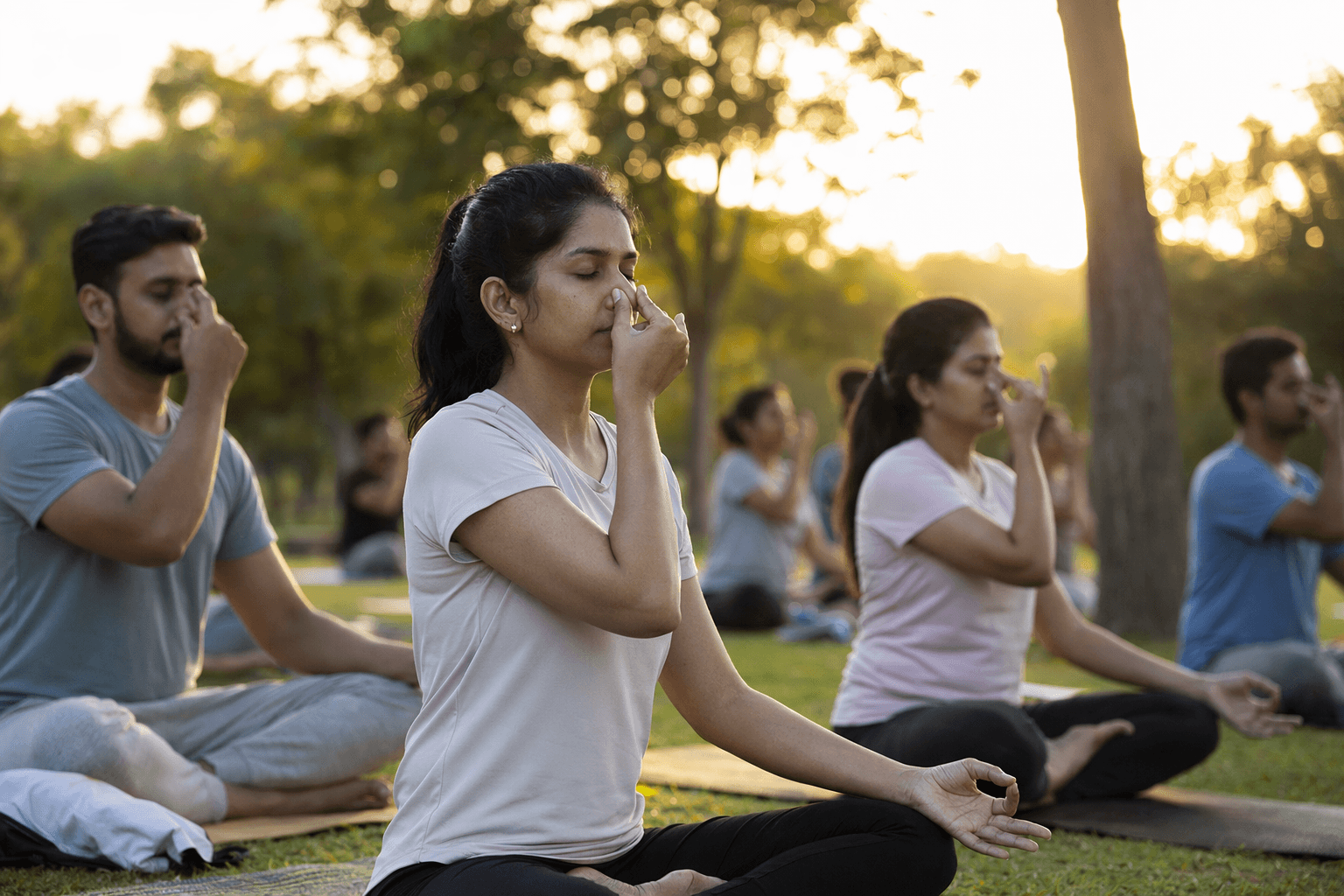
A 12-week online Jyothi Trataka routine eased dry-eye symptoms and improved tear-film stability in a randomized trial, giving yoga a clearer foothold in eye care than most small studies ever manage.
The study, published online April 6, 2026 in Frontiers in Medicine, was an open-label, parallel-group randomized controlled trial led by Ligi Abraham, Raghavendra Bhat and Sony George. It enrolled 49 adults ages 20 to 40 with mild-to-moderate dry eye, assigning 25 to the yoga arm and 24 to control. Three participants discontinued, leaving 24 in the yoga group and 22 in control by the end of the 12 weeks.
The yoga arm practiced Jyothi Trataka online for 25 minutes, three days a week. That matters because the authors framed the method as low-cost and easy to deliver, with minimal resource requirements compared with many clinic-based add-ons. The trial was also registered with the Clinical Trial Registry of India under CTRI No. REF/2021/07/045631 and reported following CONSORT guidelines, which helps readers judge the study as more than an informal pilot.
The results were encouraging, but they were not uniform. Dry-eye symptoms, measured with the Ocular Surface Disease Index, improved significantly in the yoga group compared with control, and tear breakup time, a marker of tear-film stability, also improved significantly, with both findings reaching p < 0.01. Two other signs of dry eye did not move: Schirmer’s score and tear meniscus height showed no significant change. In plain terms, the practice seemed to help how patients felt and how long the tear film held together, but it did not clearly change tear production or tear volume over the study window.
That split result is the core of the story. It supports Jyothi Trataka as a possible adjunct for symptom relief, not a stand-alone replacement for standard dry-eye care. The trial was small, limited to young adults, and lasted just 12 weeks, so it cannot settle whether the benefits hold up, deepen over time, or apply to older patients with more severe disease. The authors said longer-duration studies are still needed, and that caution fits the larger dry-eye literature, which shows the condition is common, affects quality of life and productivity, and still lacks many high-quality randomized tests of yoga therapy.
Ask your eye doctor whether your dry eye is mainly about symptoms, tear-film instability, or reduced tear production, and whether a short, structured practice like Jyothi Trataka fits alongside drops, lid care or other treatment. If it does, this trial suggests a 12-week check-in is a reasonable way to see whether your eyes respond the way the study did.
This article was produced by Prism’s automated news system from verified source data, official records, and press releases, then run through automated quality and moderation checks before publishing. The system is built and supervised by the people who set the standards it runs under. Read our full AI policy.
Did this article answer your question?