New Zealand fees-free scheme funded yoga instructor training, drew criticism
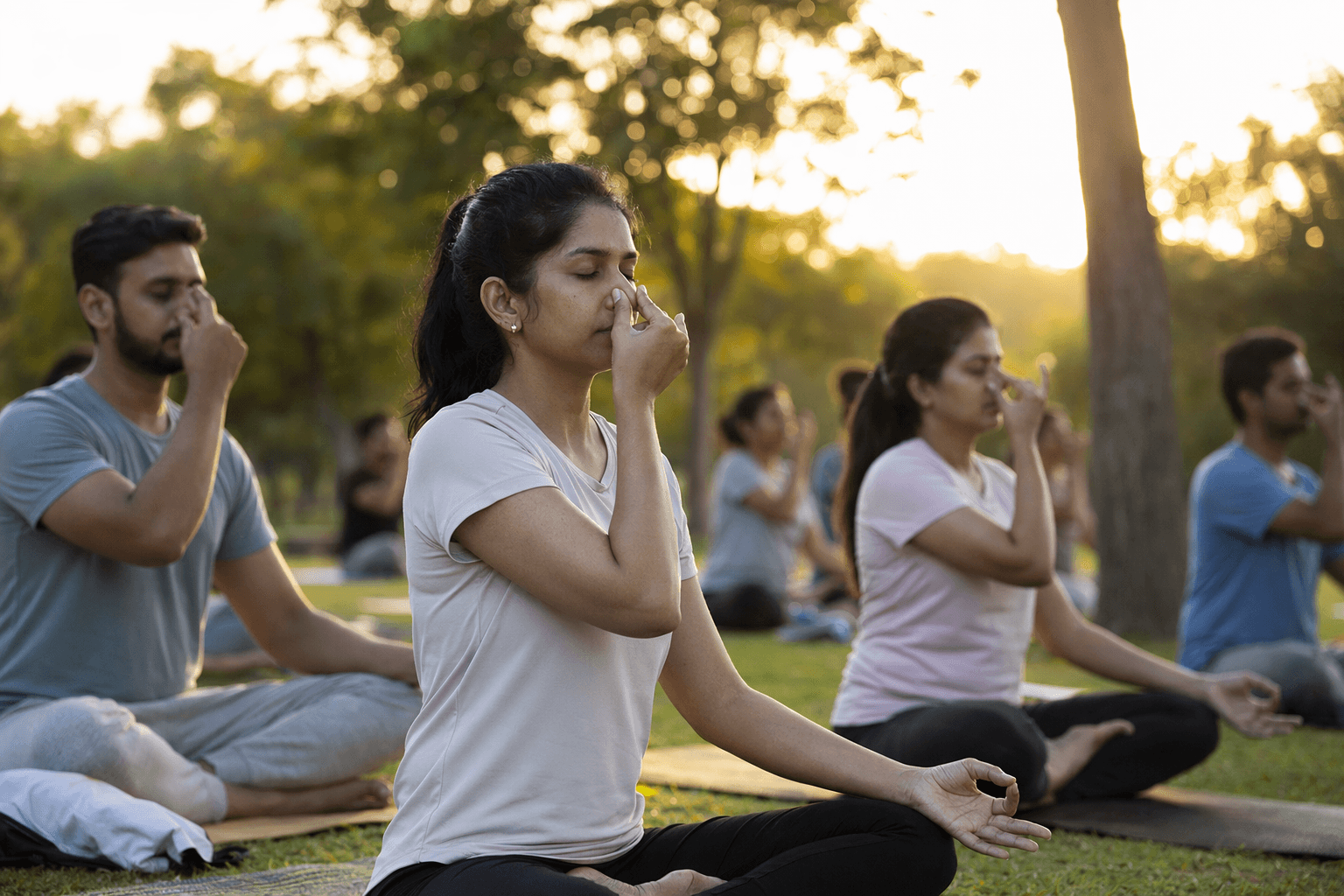
Yoga instructor training was subsidized under New Zealand’s fees-free scheme, and critics used it to argue the policy was paying for the wrong kind of work.
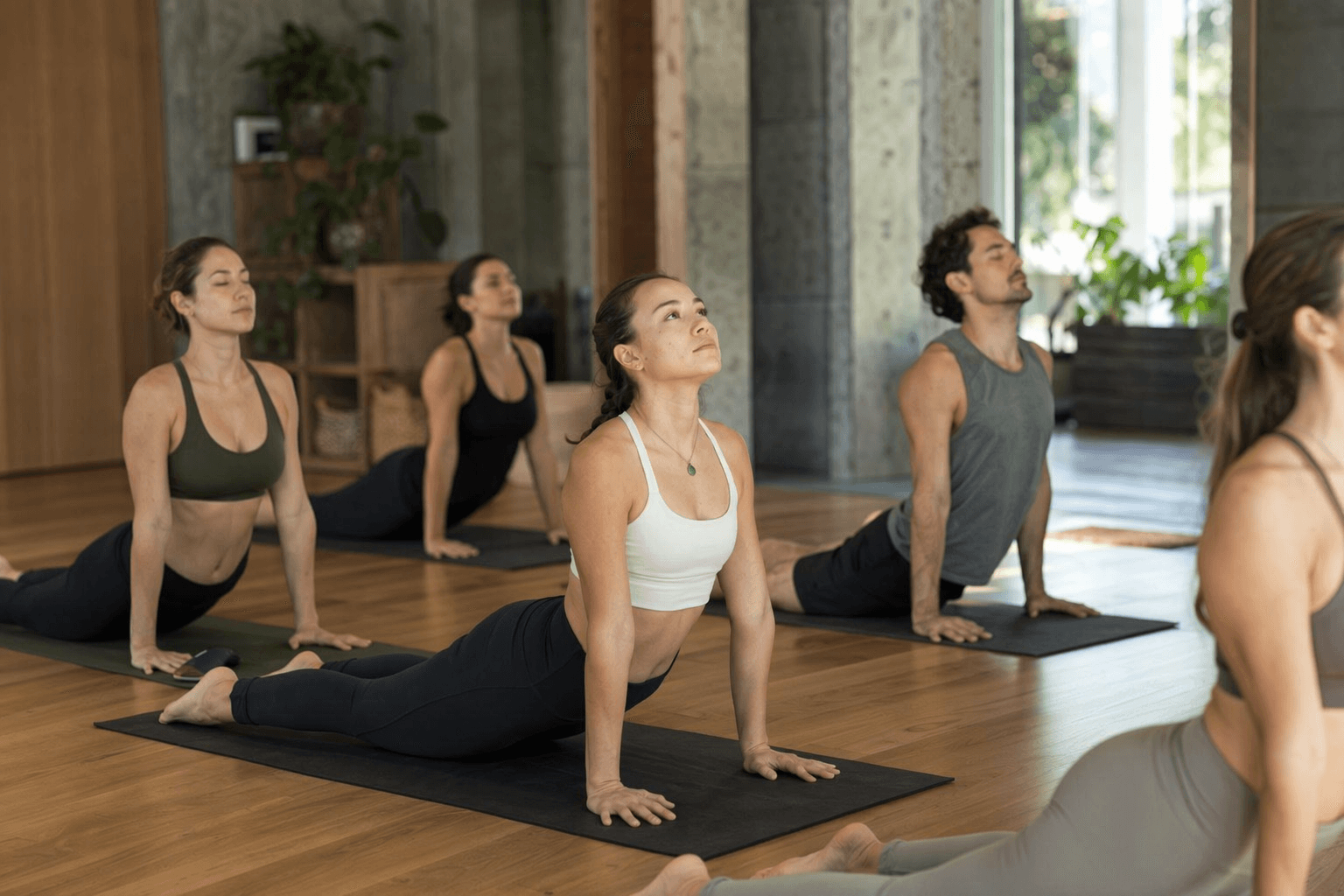
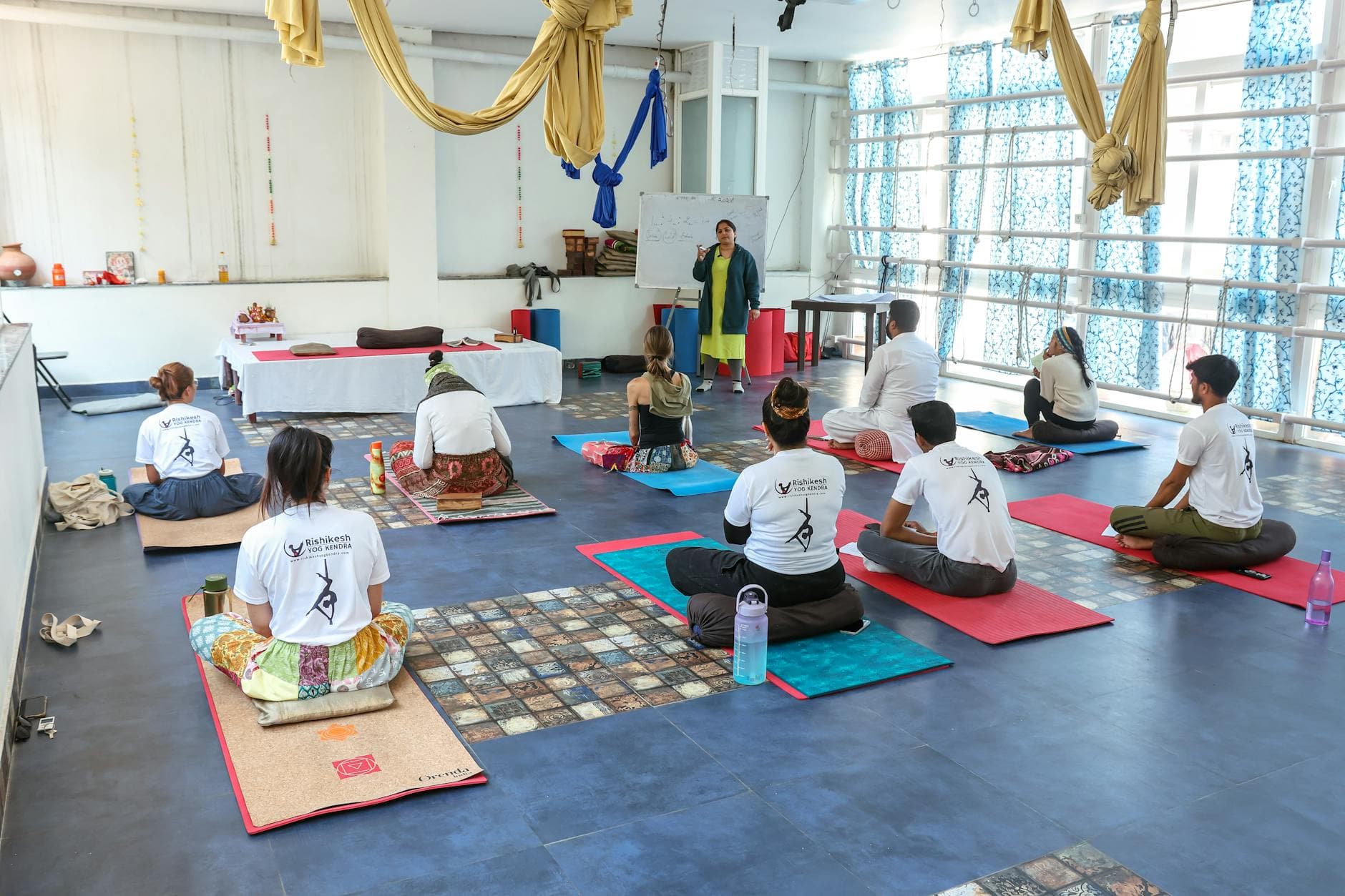
Yoga teacher training landed in the crosshairs of New Zealand’s Labour Fees-Free scheme because it exposed the argument critics really wanted to have: not just whether the policy cost too much, but whether yoga instruction counts as legitimate work. The programme, which ran up a bill of more than $2 billion, helped pay for training that included yoga instructors alongside other courses opponents branded non-essential.
The scheme began on 1 January 2018 under Labour as a first-year fees-free policy. It covered up to $12,000 for first-time learners in their first year of provider-based study or their first two years of work-based training, and it applied broadly to qualifications at level 3 and above. The point was simple enough on paper: make tertiary education and training more affordable and widen access. In practice, that broad reach is what made yoga teacher training an easy target.
The policy never delivered the boost its supporters promised. Independent analysis found it failed to lift enrolment or improve access for lower-income groups, and Budget 2024 advice from the Ministry of Education said fees-free policies generally have a limited impact on learner participation in tertiary education. The ministry said non-financial barriers such as prior achievement or family background may matter more than fees alone. That left critics free to use “yoga” as shorthand for waste, rather than deal with the harder question of how wellness careers fit into the economy alongside trades, vocational courses and other publicly funded paths.
The government later shifted fees free from first-year to final-year coverage from 1 January 2025. Under that model, support is paid after a learner completes a qualification, and officials said a broad-eligibility version would continue only for learners who had not already benefited from first-year fees free. Budget and implementation documents released in 2024 and 2025 showed narrower eligibility settings could save roughly $90 million to $165 million a year.
The politics hardened again in May 2026, when the National-led coalition government of Christopher Luxon, Nicola Willis and Winston Peters confirmed the university fees-free scheme would end after 2026. Willis said, “this is the last year in which students completing their studies will be eligible for fees free.” The Green Party attacked the move, and students who entered courses expecting support said they felt caught out, especially current second-year students. Once yoga training became part of the argument, the real fight was never about stretching on a mat. It was about which kinds of training New Zealand is willing to treat as work worth backing with public money.
Know something we missed? Have a correction or additional information?
Submit a Tip