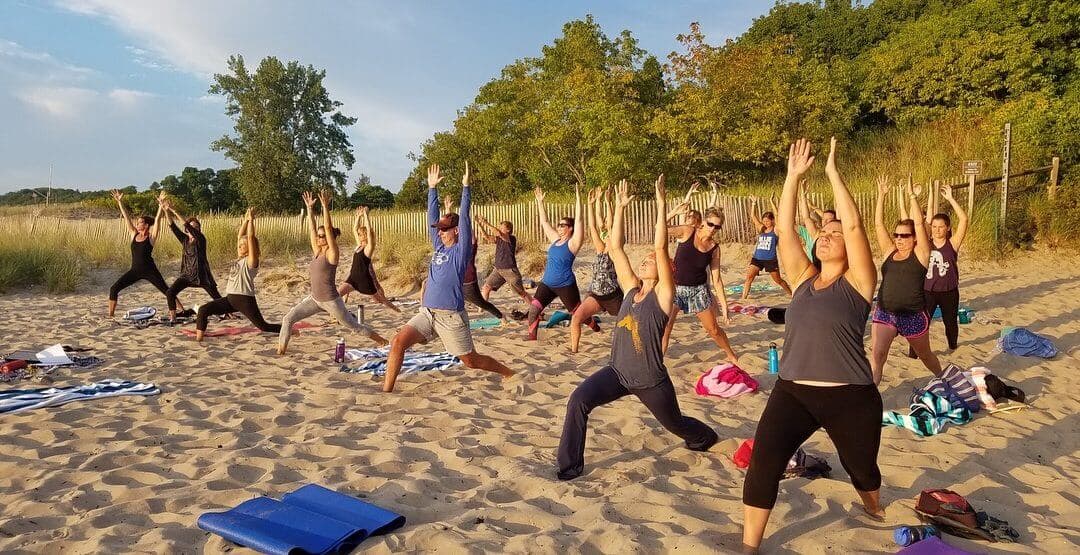
Yoga study finds one in five practitioners report injuries
A German survey of 1,702 practitioners found 21.4% had acute adverse effects and about one in ten had chronic problems.

A yoga practice that looks gentle on the mat was not risk-free in a national German survey, where 21.4% of 1,702 practitioners reported at least one acute adverse effect and about one in ten reported at least one chronic problem. The findings matter because the sample was broad, mostly female at 88.9%, with a mean age of 47.2 years, and it captured people who had been practicing for an average of 7.6 years before the acute problems appeared.
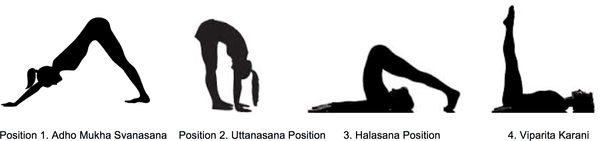
The study, published July 29, 2019 in BMC Complementary Medicine and Therapies, was an anonymous online survey fielded from January to June 2016. Among the 364 users who reported acute effects, researchers counted 702 events. The most common complaints were pain and soreness, followed by muscle injuries and fatigue. The poses most often linked with those acute effects were handstands, shoulder stands and headstands, a reminder that yoga can shift quickly from low-intensity movement into high-demand load bearing when inversions enter the sequence.
That survey cannot prove a pose caused a specific injury, because it was cross-sectional and relied on self-reporting. It does, however, line up with other published evidence that injuries in yoga are real and documented. A 2013 systematic review in PLOS One collected adverse events from case reports and case series, and a Mayo Clinic Proceedings study found that postures that flex the spine beyond its limits may raise the risk of compression fractures in people with osteoporosis or osteopenia. The spine was the most commonly cited injury location in that work, which puts backbends, deep folds and aggressive forward flexion under a brighter safety light for anyone with low bone density.
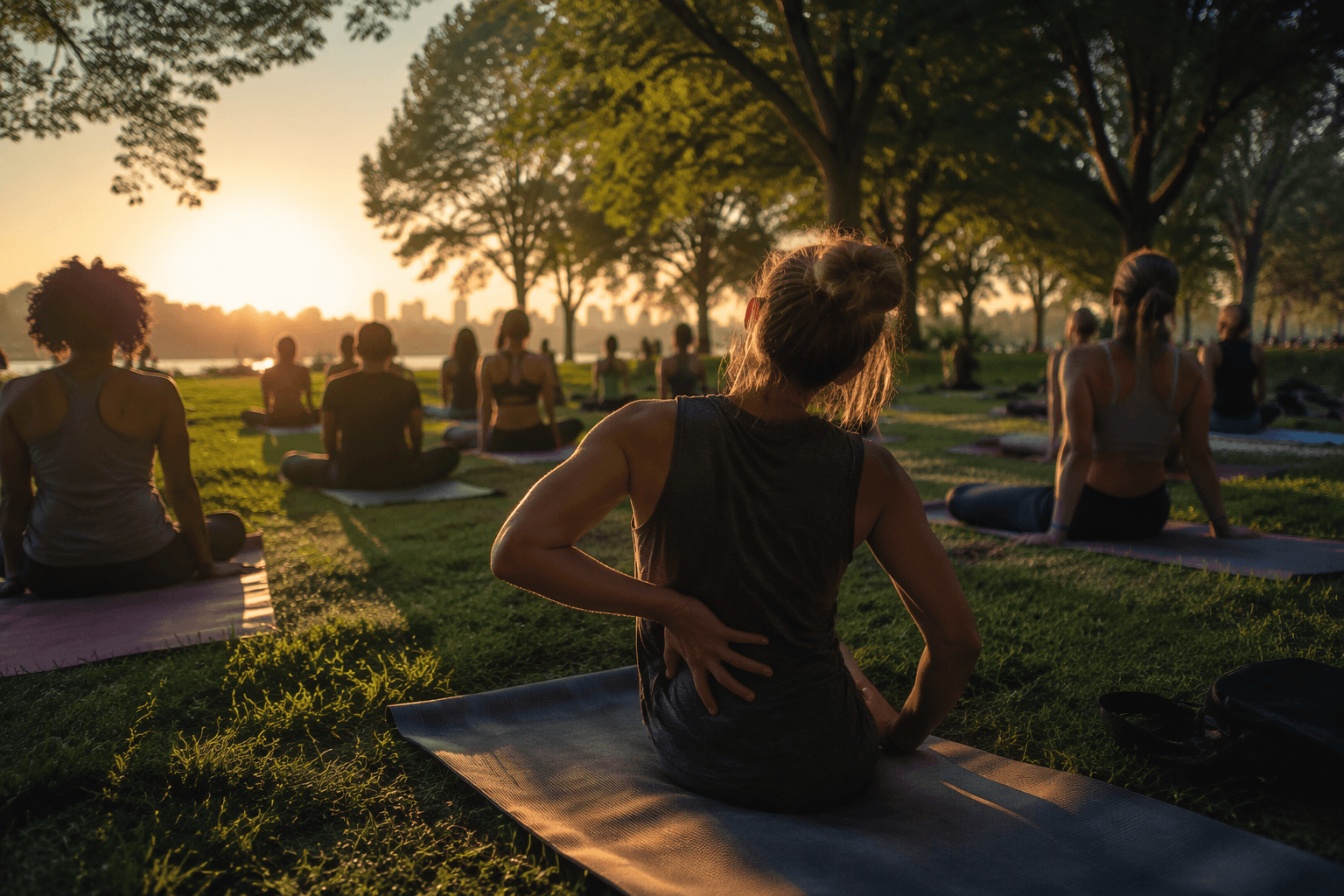
The practical response is not to abandon yoga, but to scale it intelligently. Keep sharp pain, numbness and unstable joints out of the pose, use blocks, straps, blankets, bolsters or a wall early, and build inversions and deep backbends in stages rather than chasing the full expression on day one. Tell the teacher about wrist, shoulder, neck, back or bone-density issues before class starts, and ask for an alternative if the sequence loads those areas. The National Center for Complementary and Integrative Health still frames yoga as something many people use for well-being, fitness, stress control or to help manage a health problem, which makes that caution especially relevant.
Yoga’s gentle reputation holds only when the practice matches the body in front of it. Handstands, shoulder stands and headstands are skills to earn, not shapes to force, and the safest class is usually the one that respects that from the first sun salutation to the last fold.
This article was produced by Prism’s automated news system from verified source data, official records, and press releases, then run through automated quality and moderation checks before publishing. The system is built and supervised by the people who set the standards it runs under. Read our full AI policy.
Did this article answer your question?