Damiani ties high jewelry to art, color, and rare gemstones
Damiani unveiled Arte Maestra at Villa Pliniana, pairing eight art masters with rare stones like a 6.11-carat Myanmar ruby and a 10.23-carat Colombian emerald.

Damiani brought high jewelry to Lake Como with a clear collector’s pitch: art is not just inspiration, it is a price-making language. At a gala dinner on Thursday evening, June 11, inside the 16th-century Villa Pliniana, the maison unveiled Arte Maestra to a select group of international guests, using paintings and motifs by Caravaggio, Sandro Botticelli, Katsushika Hokusai, Jeong Seon, Wassily Kandinsky, Gustav Klimt, Claude Monet and Vincent van Gogh as the collection’s creative framework.
The positioning is telling. Damiani described Arte Maestra as a bridge between artistic language and precious materials, built through more than a century of craftsmanship and tradition. Guido Grassi Damiani put it even more bluntly before the event: "high jewelry allows the house to fully express its creative capacity." In luxury terms, that is the point where a jewel stops reading as decoration and starts reading as authorship.
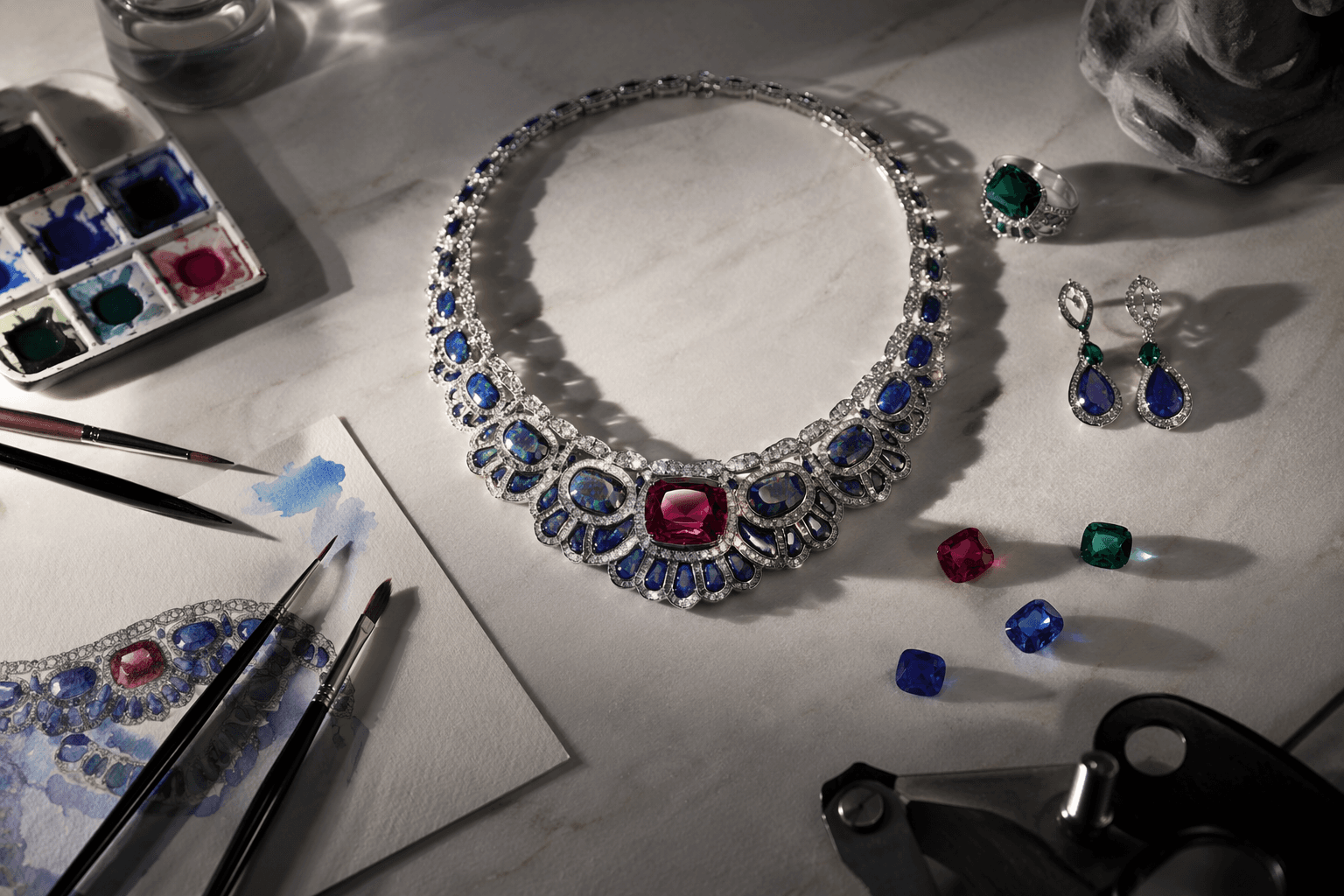
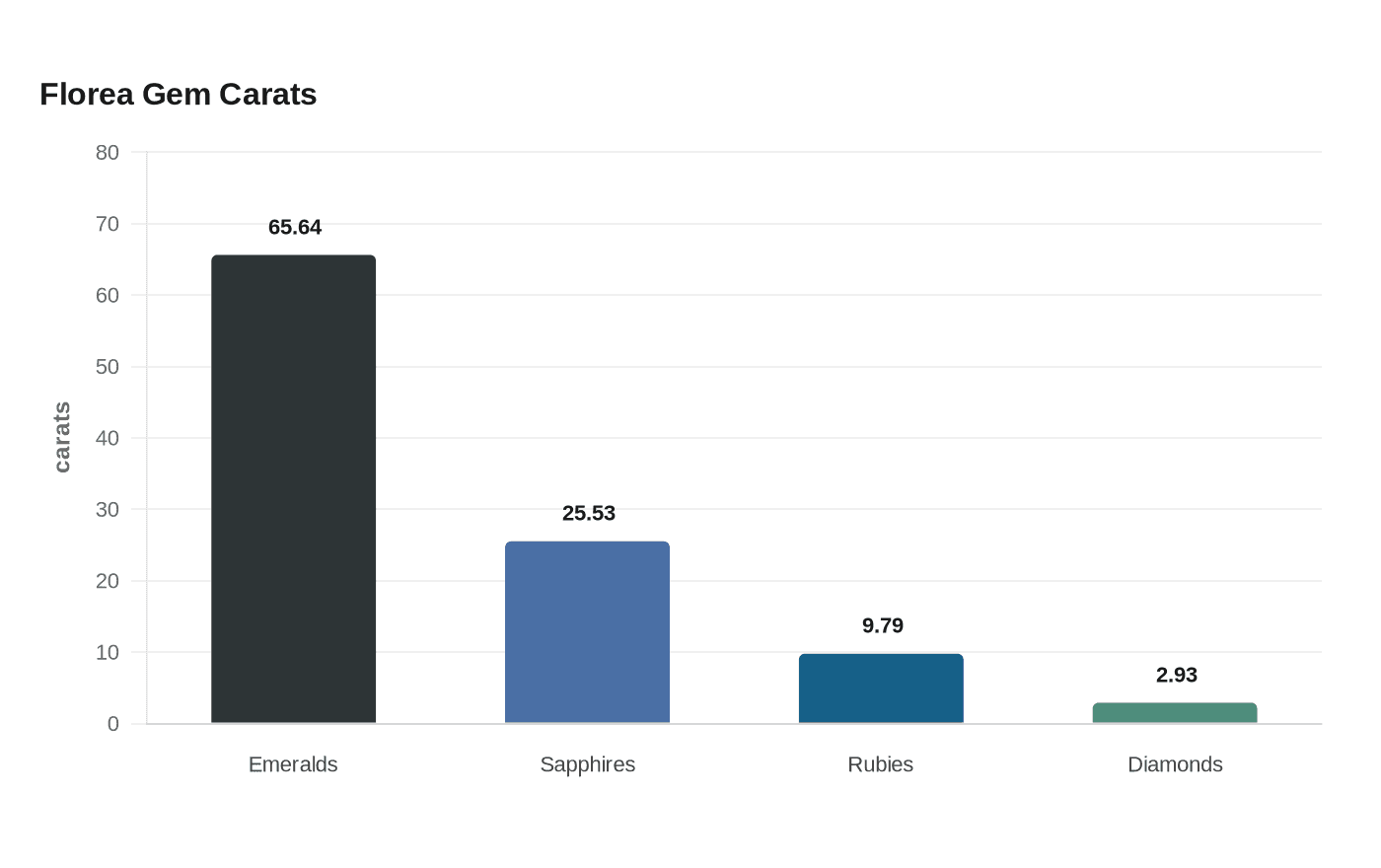
The strongest pieces make that argument through stone selection and construction rather than slogan. Malìa, inspired by Caravaggio’s Medusa, centers on a 6.11-carat Myanmar pigeon-blood ruby, a stone choice that immediately signals rarity and intensity. Floréa, tied to Botticelli’s Primavera, is a study in layered color and scale: 1,058 emeralds totaling 65.64 carats, 93 sapphires totaling 25.53 carats, 32 rubies totaling 9.79 carats and 386 diamonds totaling 2.93 carats. En-Plein-Air, the Monet-inspired necklace, goes even further, building around a 10.23-carat Colombian emerald and adding 1,130 sapphires totaling 51.72 carats, 177 diamonds totaling 7.44 carats and 195 brown diamonds totaling 70.76 carats.
That is the collector-value lesson for birthstone jewelry. The most compelling art-inspired pieces do not merely borrow a motif; they translate a visual system into gem choices, color density and setting logic. Caravaggio’s chiaroscuro becomes rubies and alexandrites. Monet becomes a wash of emerald, sapphire and diamond with enough scale to feel painterly rather than decorative. Hokusai, Kandinsky, Klimt and van Gogh widen the palette, but the commercial engine is the same: cultural reference, disciplined composition and stones substantial enough to justify the story.
Damiani also sharpened the pedigree by tying some of the referenced works to permissions from Italy’s Ministry of Culture and the Uffizi Galleries. That matters because collector-grade jewelry depends on more than a good idea. It depends on recognized provenance, exacting materials and a design narrative that can hold up when the art references are stripped away.
This article was produced by Prism’s automated news system from verified source data, official records, and press releases, then run through automated quality and moderation checks before publishing. The system is built and supervised by the people who set the standards it runs under. Read our full AI policy.
Know something we missed? Have a correction or additional information?
Submit a Tip