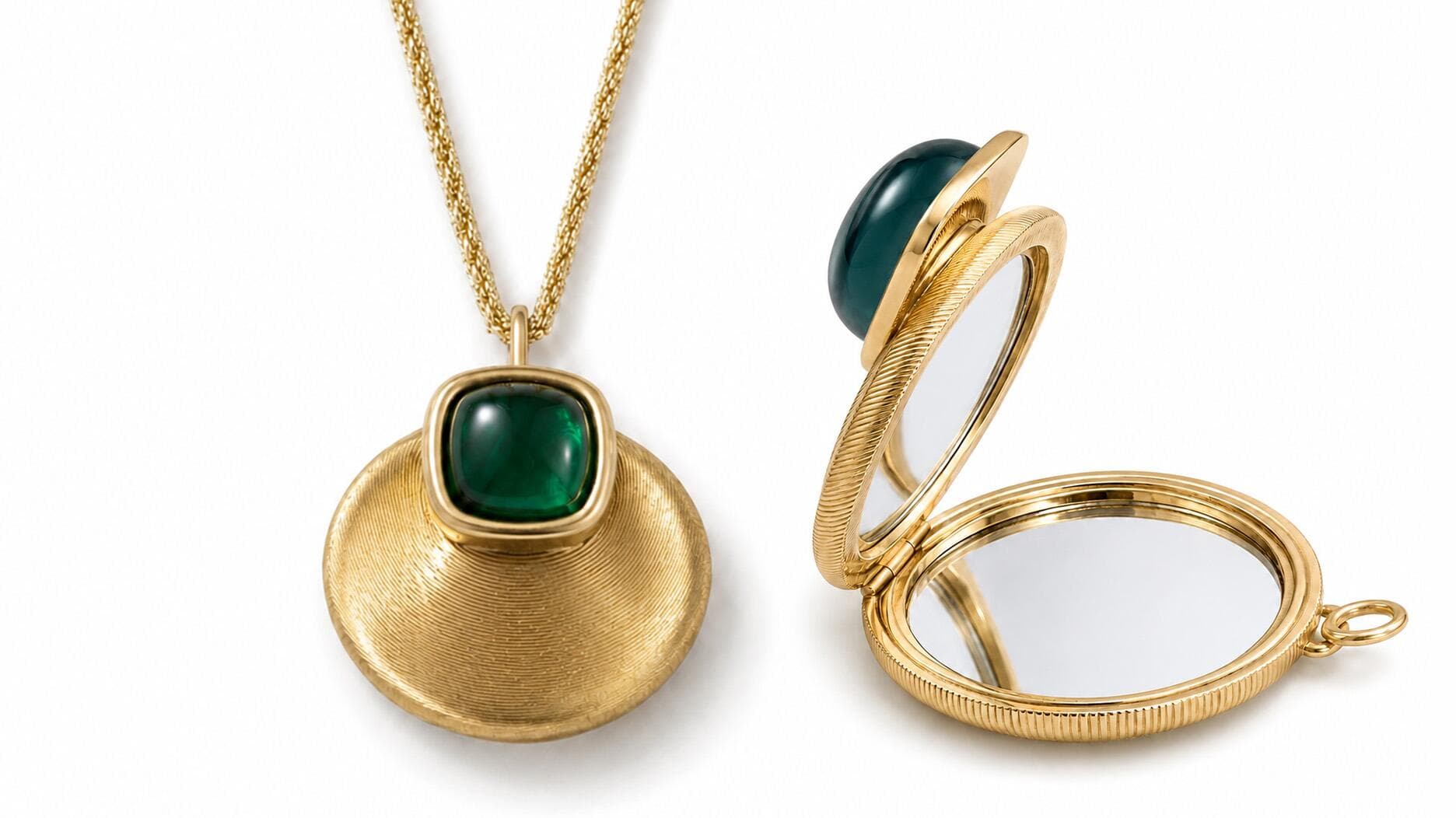
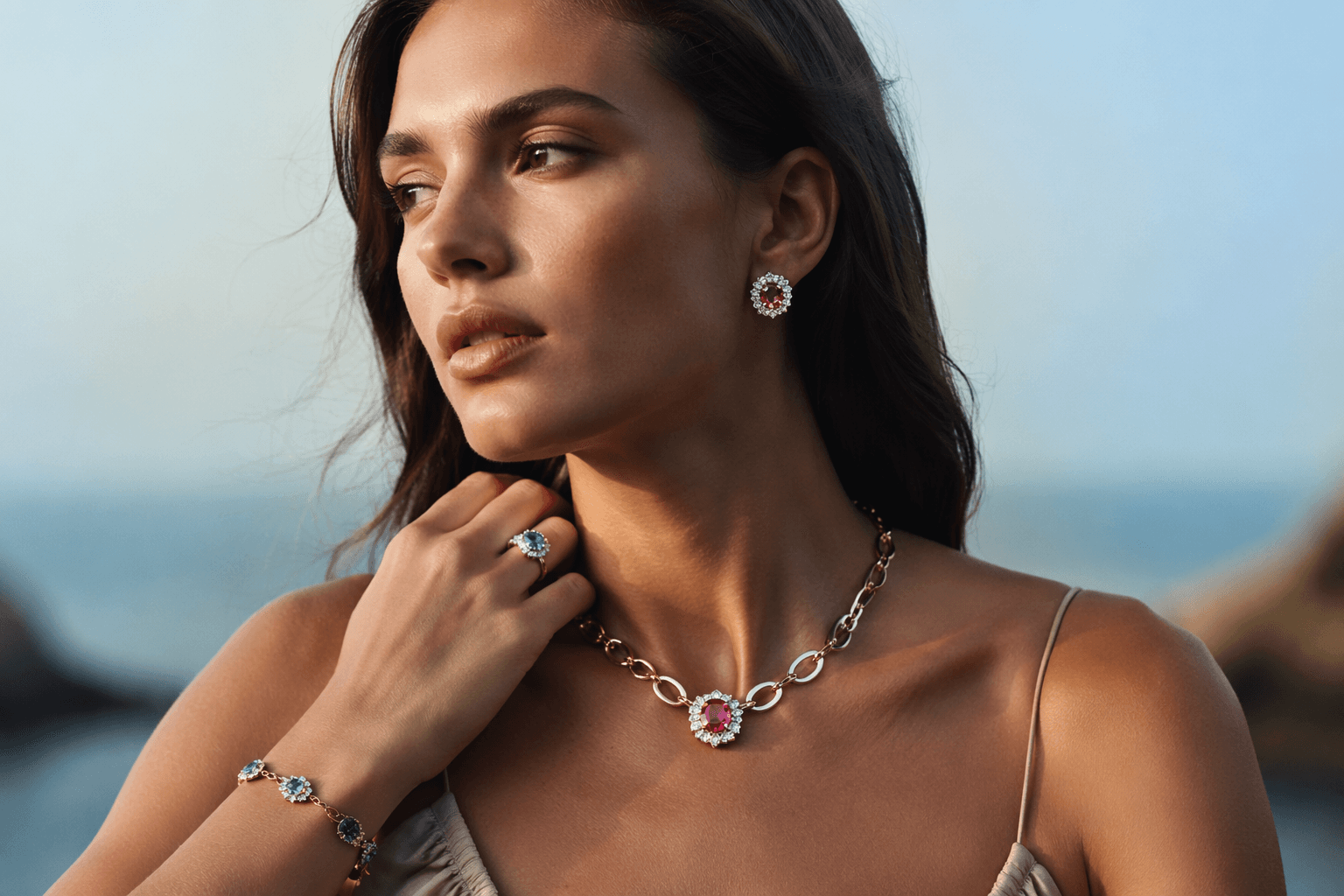
Doug Hucker returns to gemstones, boosting birthstone sales conversations
Doug Hucker’s return to gemstone education lands at exactly the right moment for birthstone sales. Clear talk about treatments, origin, durability, and names turns hesitation into confidence.
Why Hucker’s return matters now
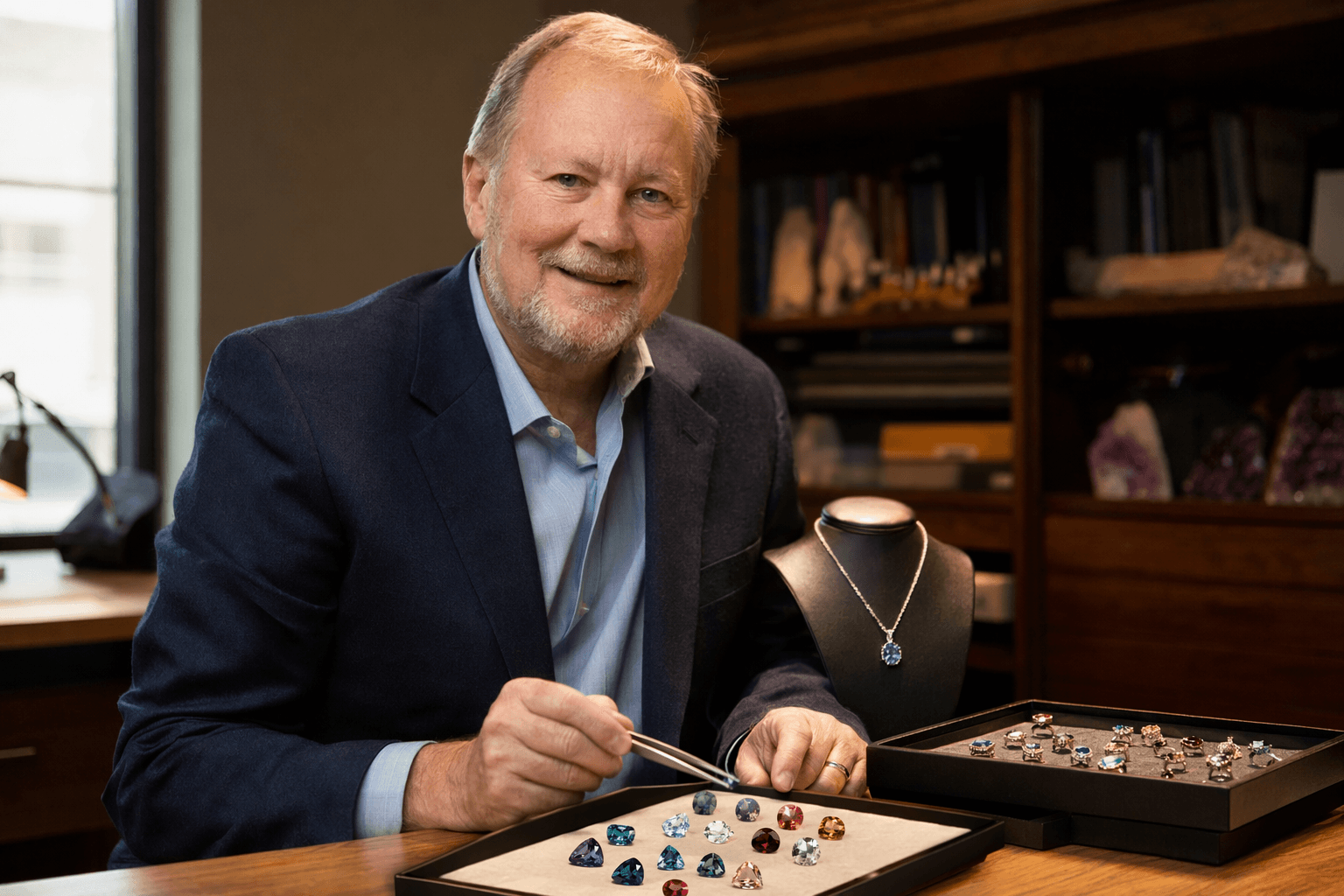
Doug Hucker is stepping back into the part of the trade that first shaped him: gemstone education. After nearly four years as chief executive of the International Colored Gemstone Association and roughly 24 years leading the American Gem Trade Association, he says he is “semi-retired,” though he is clear that he is done running associations and ready to spend more time “renewing” his love affair with gemstones.
That shift matters well beyond trade politics. Birthstone jewelry is often bought in a hurry and given under pressure, which means the sale rises or falls on trust. Hucker’s career has been built on earning that trust, first as a writer and photographer at GIA, then as an instructor, retailer, and association leader who spent decades helping the industry explain colored stones more honestly and more clearly.
His retirement from ICA was effective April 22, 2026. ICA said his tenure was marked by financial discipline, successful congresses and events, and stronger engagement with its global membership. Damien Cody, ICA’s president, praised Hucker’s experience, professionalism, and commitment, saying he helped strengthen the association and position it for the future.
The questions buyers ask most often
Birthstone shoppers tend to ask the same four questions, even if they do not always phrase them that way: What has been done to this stone, where did it come from, how durable is it, and what exactly am I buying?
Those are not abstract concerns. They are the difference between a ruby ring that feels confidently chosen and one that becomes a source of post-gift doubt. Hucker’s long career is relevant because he has spent years pushing the trade toward fuller treatment disclosure, clearer origin reporting, and better language around colored gems. For birthstone jewelry, that literacy is the sale.
Treatments: the first thing to say, not the last
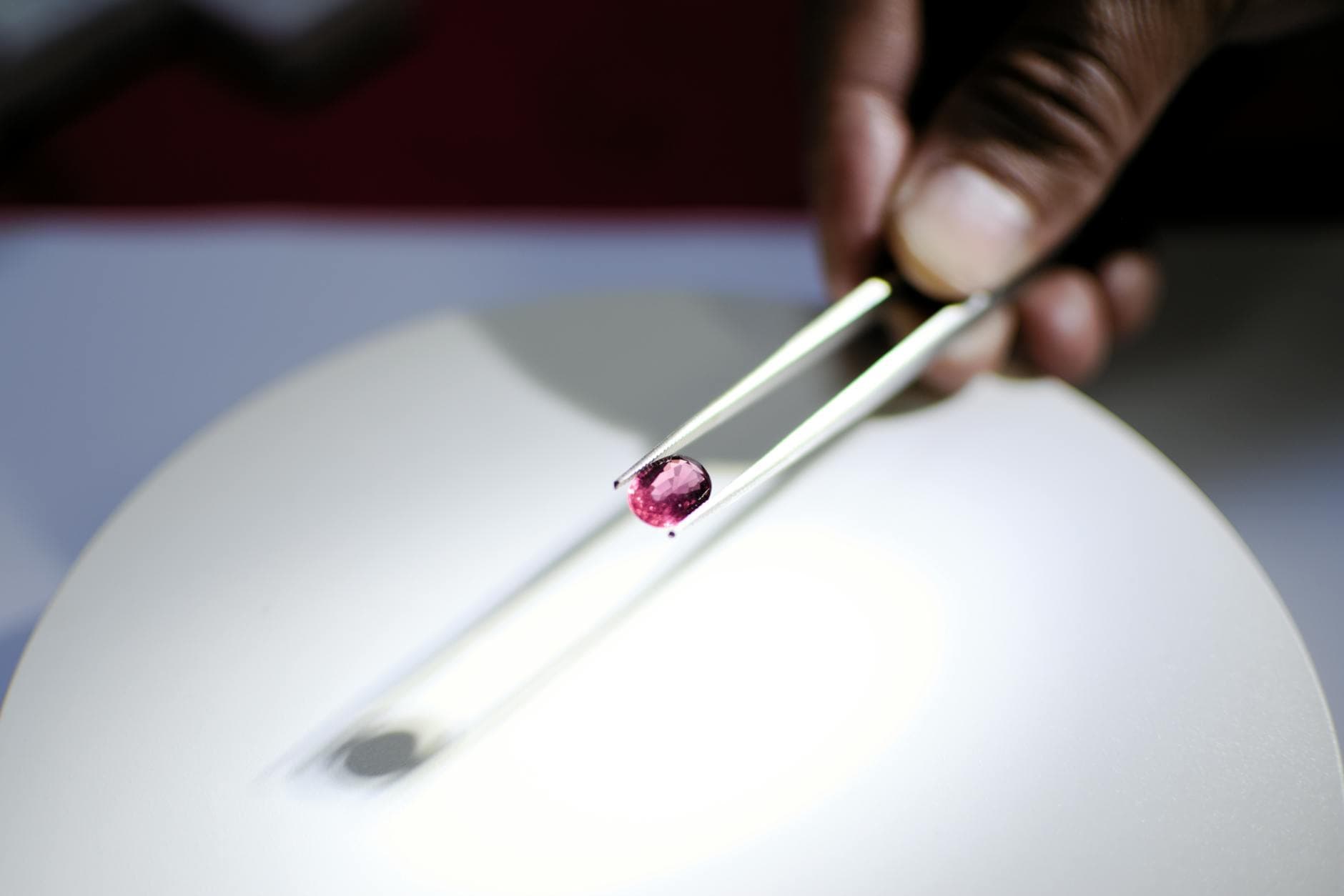
The most important question in colored stones is often the least discussed at the counter: has the stone been treated? Heat treatment, clarity enhancement, dyeing, irradiation, diffusion, and other procedures can change a gemstone’s appearance and value, and consumers deserve to know what they are seeing.
Hucker spent part of his AGTA years helping advance gemstone treatment disclosure, a shift that made the conversation more honest for both retailers and customers. That matters especially in birthstone jewelry, where buyers may assume a stone is “natural” in a broad, undefined sense and never realize that some fine color is the result of accepted industry practice. A salesperson who can explain a treatment clearly does more than avoid confusion. He or she gives the buyer a reason to trust the piece.
Origin: provenance adds meaning, but it also needs context
Origin has become one of the most emotionally loaded terms in gems. Some customers want a sapphire from a particular country because they associate that place with prestige, rarity, or romance. Others simply want to know whether the stone’s story is documented and responsibly sourced.
Hucker helped push origin reporting during his AGTA years, and that work has only become more relevant as buyers ask where their birthstones come from. Origin is meaningful, but it should never be used as a shortcut for quality. A gem’s beauty still depends on color, cut, clarity, and craftsmanship, and a well-made ring in gold or platinum can matter more to daily wear than a celebrated mine name.
Durability: beauty has to survive real life
Birthstones are worn on hands, wrists, and necks that move through daily life. Durability is not a technical footnote; it is the difference between a jewel that lives in a box and one that becomes part of the wearer’s routine.
A practical birthstone conversation should include hardness, toughness, and setting style. A stone with decent hardness can still chip if it sits high in a vulnerable setting, while a more delicate gem can perform beautifully in a protective bezel or low-profile design. Buyers looking at rings should hear how the stone will behave over time, not just how it sparkles under showroom lights.
Terminology: precision is part of the luxury
Birthstone shopping gets muddled when everyday language blurs important distinctions. “Gemstone” is not the same as “semi-precious,” a term the trade increasingly avoids because it oversimplifies value. “Natural” does not necessarily mean untreated, and “created” or “synthetic” carries a different meaning entirely.
Hucker’s GIA background gives weight to this kind of precision. GIA was established in 1931 as an independent nonprofit focused on research, education, and laboratory services, and that educational lineage shaped his early career. At age 22, he was assembling microscopes at GIA while attending photography school, then went on to teach week-long diamond and gemstone courses across the United States. That combination of technical language and practical retail training is exactly what birthstone buyers need when they are trying to make sense of what they are wearing or gifting.
How Hucker learned to translate stones for customers
Hucker did not come into the trade from a distance. He offered to work for free in a local jewelry store to gain hands-on retail experience, and he later brought that real-world perspective to his teaching. Mentors including Richard Liddicoat helped shape his GIA path, and his exposure to customers began early enough that he understood the emotional side of the sale as well as the mineralogical one.
He met Ray Zajicek soon after AGTA was founded in 1981 and was appointed to the board. Later, he worked with Richard Krementz at Krementz & Co. and served as president and partner of The Registry Ltd., an antique and estate jewelry firm. In the mid-1990s, he was asked to run AGTA, beginning the long association-leadership career that eventually ended, and then came full circle, with ICA.
He also built bridges across the trade, helping AGTA deepen affiliations with CIBJO, the Women’s Jewelry Association, GIA, Gem-A, Platinum Guild International, the Diamond Council of America, and Jewelers of America. Those relationships matter because birthstone jewelry is not sold in isolation. It sits at the intersection of design, education, ethics, and consumer confidence.
The awards tell their own story
Industry recognition followed that work. Hucker received the American Gem Society’s Robert M. Shipley Award in 2018, after the AGS Triple Zero Award in 2016 and the Sallie Morton Award in 2015. Those honors reflect something more useful than longevity: they point to a career spent improving how the trade speaks about stones.
ICA, founded in 1984, now includes more than 500 gem-industry leaders from 47 countries. That reach underscores how far Hucker’s influence traveled, from GIA classrooms to global association work and back again to education. When someone with that background returns to teaching gems, the industry gets a reminder that birthstone sales are not really about memorizing a calendar. They are about explaining beauty with enough accuracy that a gift feels both personal and secure.
For a category built on sentiment, that kind of clarity is the real luxury.
This article was produced by Prism’s automated news system from verified source data, official records, and press releases, then run through automated quality and moderation checks before publishing. The system is built and supervised by the people who set the standards it runs under. Read our full AI policy.
Did this article answer your question?