GIA Explains Emerald Value, Color, Clarity, Origin, and Treatments
Emerald value begins with color, but the most telling details are often the ones inside the stone. Inclusions, treatments, cut, and origin decide how it looks and what it is worth.
Color first, because emerald is a color story
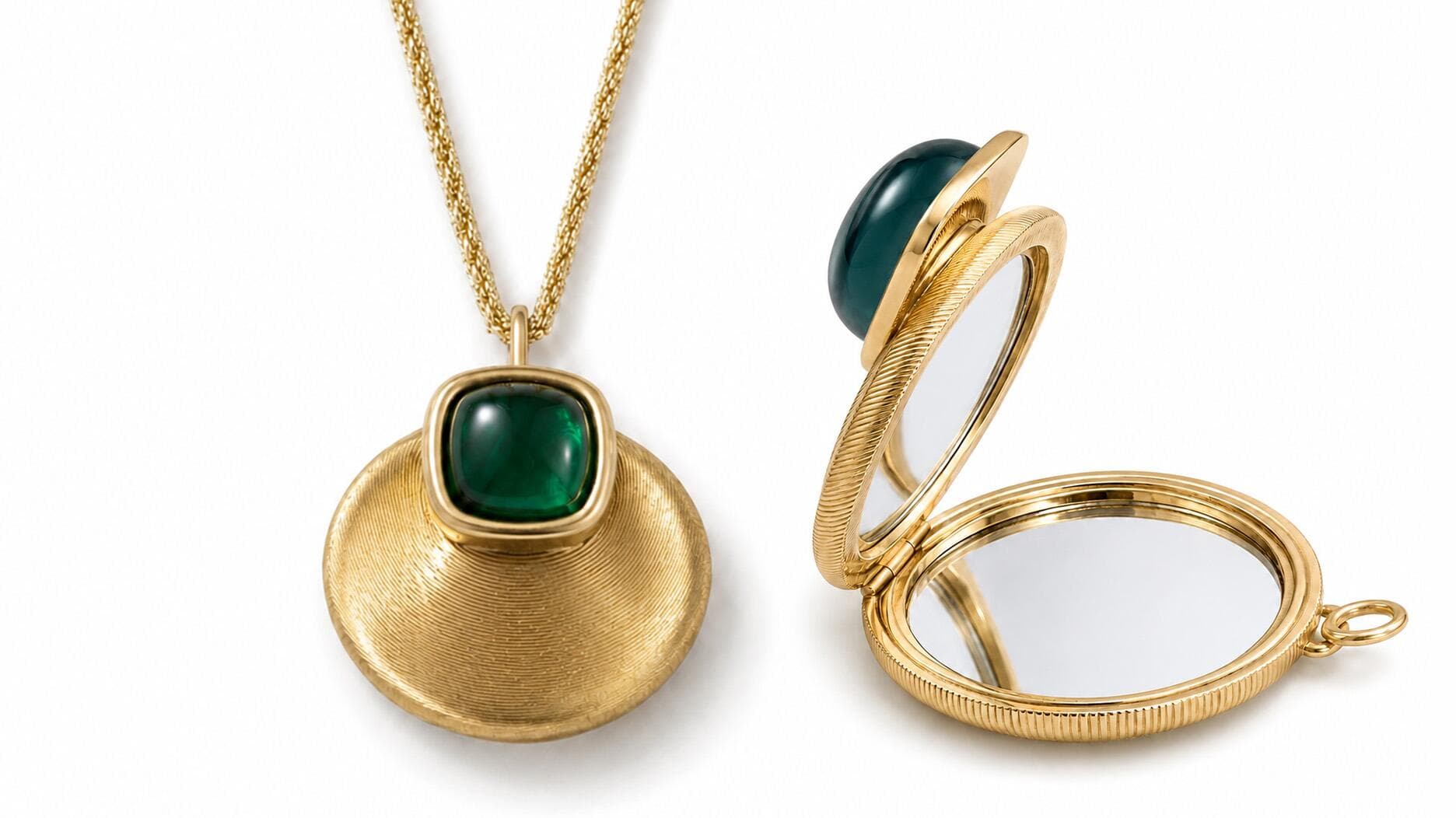
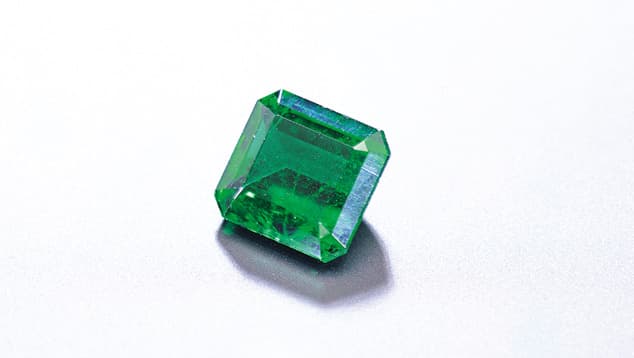
Emerald has always carried more than beauty. As the May birthstone, it has been prized for millennia and is associated with rebirth and renewal, which helps explain why its appeal has endured from royal treasuries to modern jewelry boxes. But emerald is not simply any green gem. It is the bluish green to green variety of beryl, and that definition matters because the most desirable stones sit in a very specific range of color.
GIA describes the best emerald color as bluish green to pure green, with vivid saturation and a tone that is not too dark. That balance is what makes an emerald feel alive on the hand rather than heavy or muddy. If the hue drifts too yellowish or too bluish, GIA says the stone is no longer emerald at all, but green beryl, and that shift lowers value sharply. In emerald, color is not a detail. It is the whole argument.
Clarity in emerald is about honesty, not perfection
The counterintuitive lesson of emerald shopping is that visible inclusions are not automatically flaws. Emeralds typically contain inclusions visible to the unaided eye, and the trade generally accepts that reality. The gem’s internal landscape, often called jardin, is part of what makes emerald feel organic and recognizable rather than machine-made.
That does not mean all inclusions are equal. Eye-clean natural emeralds are especially valuable precisely because they are rare, so scarcity pushes their price up. But most buyers should not expect diamond-like clarity. With emerald, the real question is whether the inclusions are part of the stone’s natural character or whether they overwhelm the gem, dulling transparency and weakening the visual impact that makes emerald so compelling in the first place.
The smartest way to read an emerald is to separate character from problem. A few visible threads, gardens, or wisps can be entirely normal. The red flag is a stone whose internal features make it look sleepy, fractured, or opaque enough to lose the rich color that justifies its place in fine jewelry.
Cut can change how emerald behaves on the hand
Emerald value is not only written into the rough crystal. It is also shaped by the cutter, who can affect color by adjusting an emerald’s proportions and number of facets. That matters more than many shoppers realize because emerald is one of those gems that can swing dramatically from elegant to disappointing with a poor cut.
A stone with strong color may still look flat if the proportions are off, while a thoughtfully cut emerald can appear more luminous and balanced. Because emerald is so color-dependent, the cut is not just about shape or style. It influences how the stone reads in daylight, under evening light, and at arm’s length, which is where most jewelry actually lives. A beautiful emerald should look intentional, not merely large.
Origin adds context, but it does not set the whole price
Origin has cachet in emerald, especially when Colombia enters the conversation. Colombian emeralds carry cultural resonance and deep recognition in the market, and that name alone can heighten desire. Still, GIA is careful on this point: every mine produces a wide range of quality, and origin alone does not determine value.
That is the right way to think about it. Geographic origin can help explain a stone’s character and market position, but it does not override the fundamentals of color, transparency, treatment, and cut. Two emeralds from the same region can differ enormously in beauty and price, while a well-colored stone from elsewhere can be far more compelling than a weak stone with a famous origin story.
For buyers, that means origin should be read as one layer of information, not a verdict. The romantic label matters, but the stone itself matters more.
Why a GIA report changes the conversation
Paperwork is not the most seductive part of jewelry shopping, but for emerald it can be one of the most useful. A GIA Colored Stone Identification & Origin Report can assess an emerald’s weight, measurements, shape, cutting style, color, natural versus laboratory-grown status, detectable treatments, and geographic origin when possible. That range of detail helps a buyer compare stones on real terms rather than on sales language.
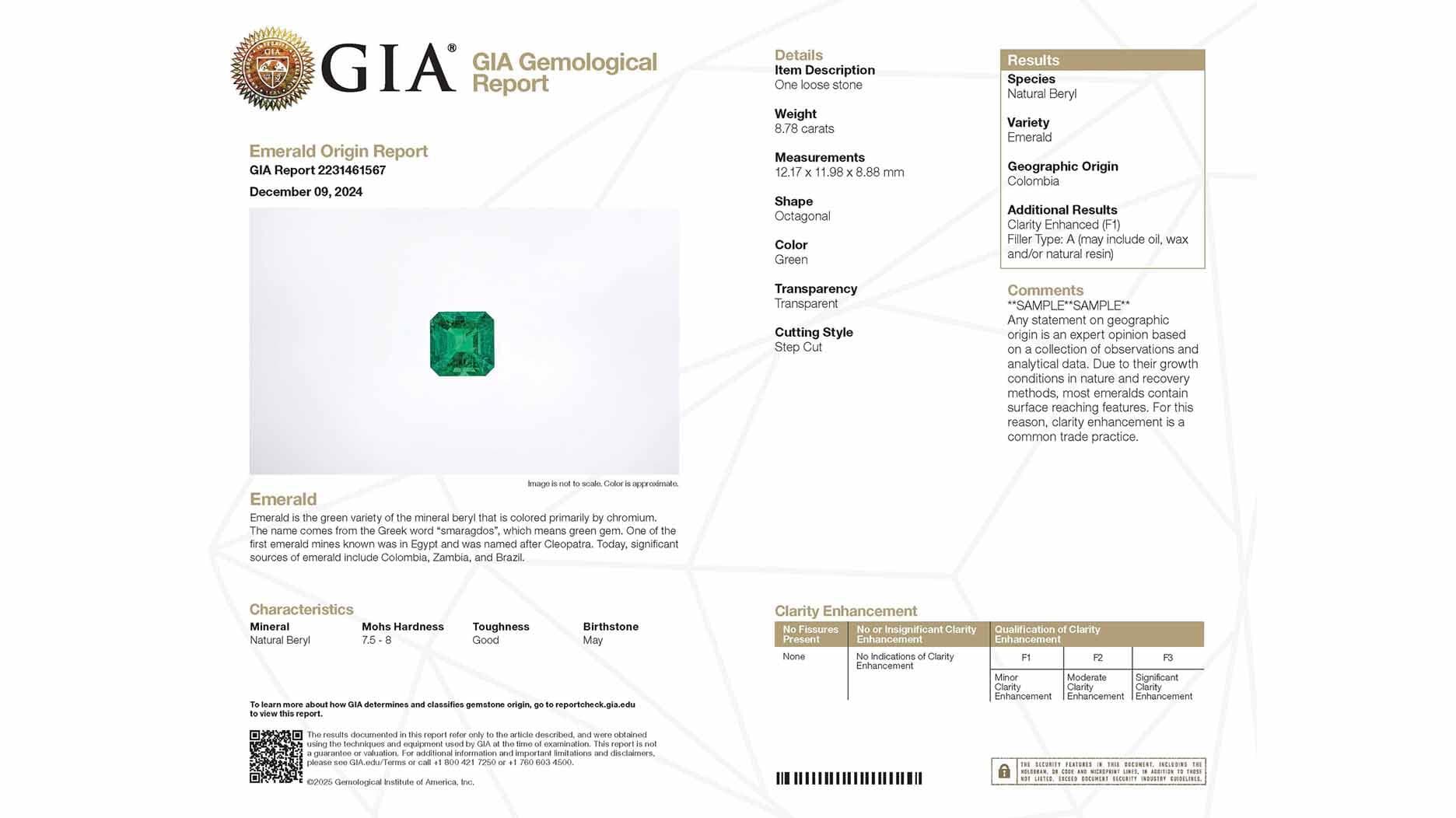
For emerald in particular, clarity enhancement needs special attention. In early 2000, GIA’s Gem Trade Laboratory began offering a new emerald report to describe the level of clarity enhancement in natural emeralds. That service reflects a basic truth of the market: emerald is frequently treated, and the treatment is often central to understanding what a stone is worth.
Treatments can change value as much as beauty
Emerald treatments are not a footnote. They can be permanent, long lasting, or short-lived, and their presence should be disclosed because they affect both quality perception and market price. GIA classifies clarity enhancement in treated emeralds as F1 for minor, F2 for moderate, and F3 for significant. Those distinctions matter because the same face-up beauty can conceal very different amounts of intervention.
Non-disclosure can mislead buyers into believing a gemstone is naturally more valuable than it really is. That is especially risky with emerald, where clarity enhancement has become part of the trade’s normal vocabulary. The buyer who ignores treatment may overpay for a stone whose apparent transparency depends on assistance, while the buyer who reads treatment correctly can judge whether the asking price is fair.
What to look for when you actually wear it
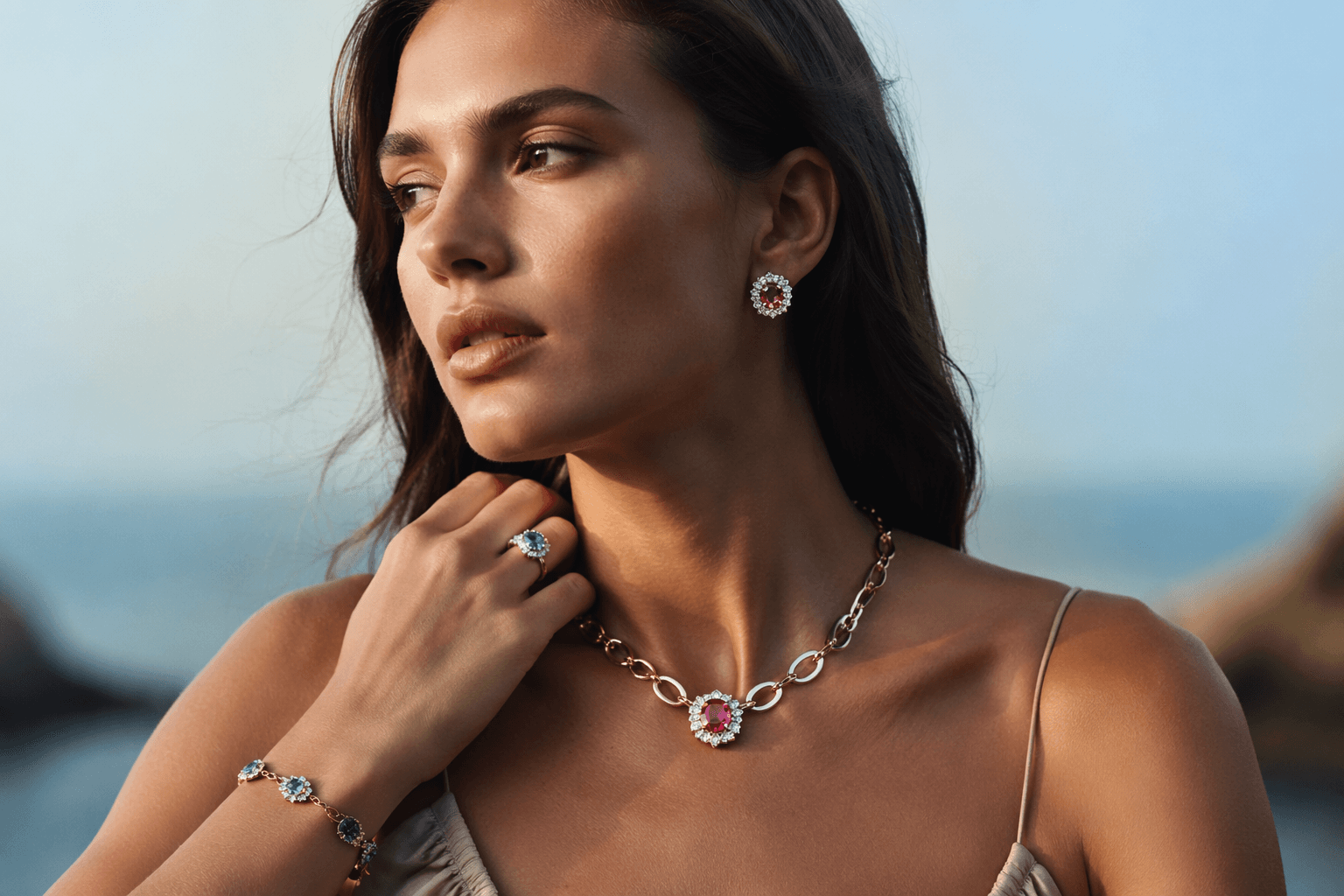
Emerald should be judged as jewelry, not just as a mineral specimen. On the hand, the best stones show saturated green with enough transparency to let the color glow, while still acknowledging the natural inclusions that belong to the gem. If the stone is too dark, too yellow, too blue, or so heavily included that the color feels muffled, the price should reflect that compromise.
That is the real emerald lesson: beauty is not perfection, and value is not just carat weight. It is the rare alignment of vivid color, readable clarity, thoughtful cutting, honest treatment disclosure, and a paper trail that tells the truth. In emerald, the most luxurious choice is often the most informed one.
This article was produced by Prism’s automated news system from verified source data, official records, and press releases, then run through automated quality and moderation checks before publishing. The system is built and supervised by the people who set the standards it runs under. Read our full AI policy.
Did this article answer your question?