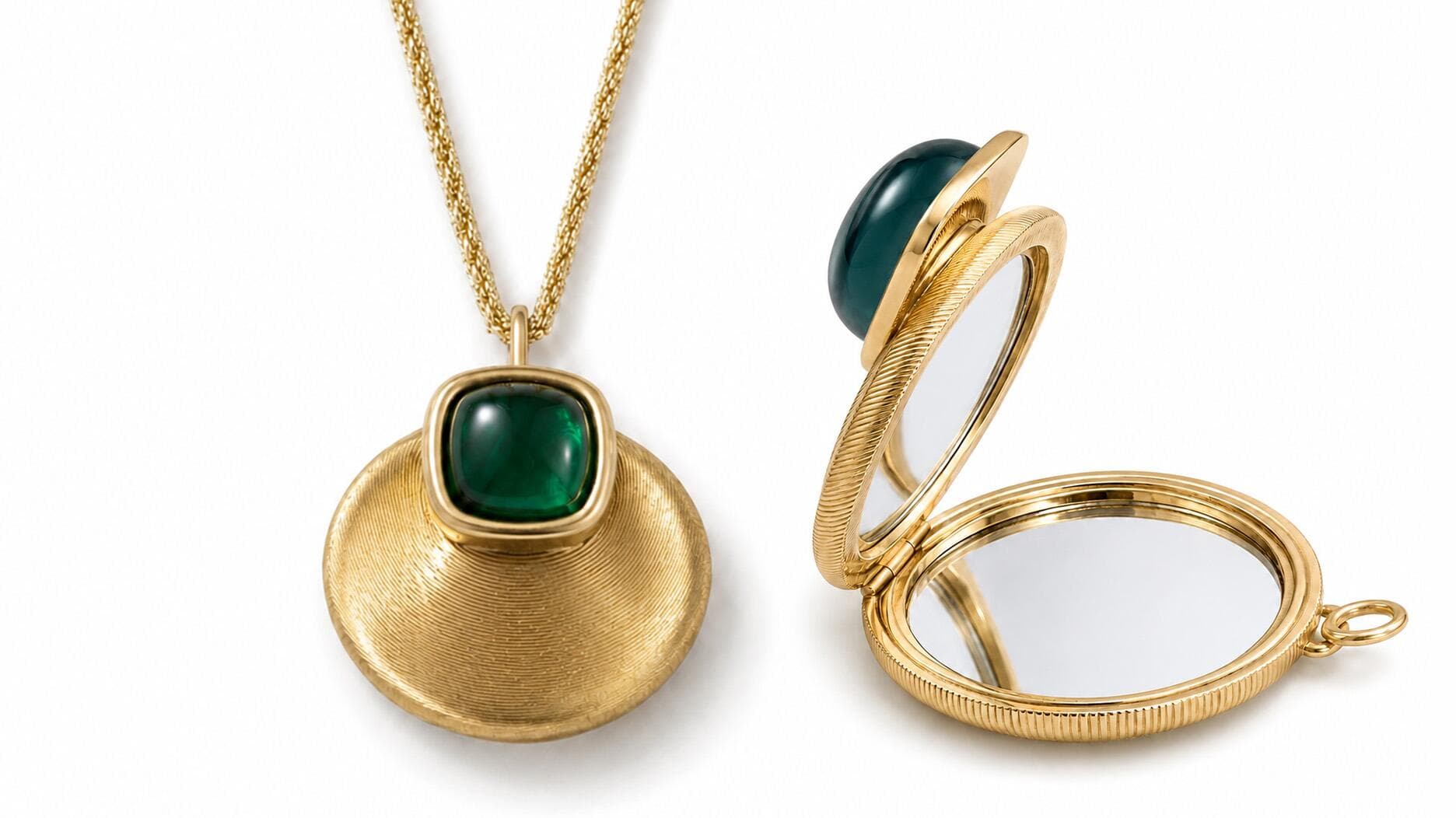
GIA Warns Emeralds Need Gentle Cleaning to Preserve Their Beauty
Ultrasonic and steam cleaners can quietly damage fracture-filled emeralds. GIA says warm soapy water, a soft brush, and a protective setting are the safest habits.
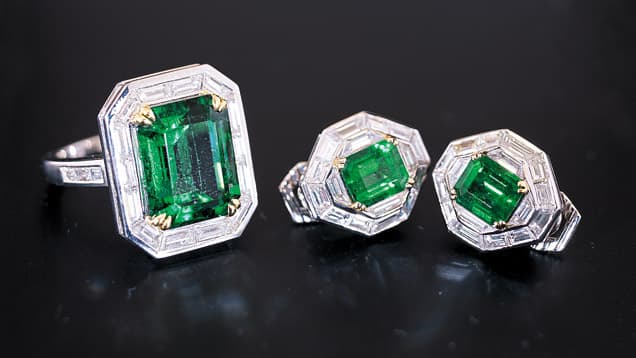
Why emeralds ask for restraint
Emeralds are beautiful precisely because they are complicated. Many are filled to improve clarity, and GIA says some estimates put fracture-filled emeralds at 90 percent or more of the market, which makes care a practical issue, not a niche concern. When you wear the May birthstone, you are often wearing a gem with surface-reaching breaks that have been stabilized with oil, resin, or glass-like material, so the wrong cleaning method can do real harm.
That is why the most dangerous mistake is often the most convenient one. A professional ultrasonic cleaner can cost $150 or less, and steam cleaning sounds efficient too, but GIA warns that both methods can be trouble for emeralds. Ultrasonic vibrations and heat can make filler sweat out of fractures, while hot steam can do the same to oil or unhardened resin.
What never belongs near an emerald
The easiest rule is also the most important: never put an emerald in an ultrasonic cleaner. GIA’s broader jewelry-care guidance is clear that ultrasonic cleaners should not be used on gemstones with surface-reaching breaks filled with oil, resin, or glass-like material, and emeralds are exactly the kind of stone that can fall into that category. Even if the piece looks sturdy on your hand, the internal structure may be far more vulnerable than it appears.
Steam deserves the same caution. GIA says hot steam can cause oil or unhardened resin to sweat out of emerald fractures, which can change both the look and the stability of the stone. Alcohol is another hazard, because GIA’s emerald-buying guidance warns that fillers can be removed or altered by ultrasonic cleaning, alcohol, and even jewelry repair.
The safest way to clean emerald jewelry at home
For most emerald jewelry, the safest home-cleaning method is beautifully simple: warm water, mild dish soap, and a soft brush. GIA’s care guidance also recommends warm, soapy water with gentle scrubbing, which keeps the approach practical enough for regular wear and gentle enough for a fragile gem. You do not need aggressive tools to make an emerald look alive again.
A careful at-home clean can be done in a few easy steps:

1. Mix warm water with a small amount of mild dish soap, not detergent.
2. Let the piece soak briefly so surface grime loosens.
3. Use a soft brush to clean around the setting and the back of the stone.
4. Rinse gently and dry with a soft cloth.
That routine is especially useful for rings, where skin oils and everyday dust collect quickly around prongs and under gallery work. If the piece has sentimental value, think of this as maintenance rather than restoration. Emeralds reward patience.
Why display-case conditions matter too
The fragility of filled emeralds is not just a cleaning issue. GIA’s durability testing on filled emeralds examined 128 emeralds treated with nine different fillers, and the results showed that changes were evident in about 35 percent of the stones after mild exposures such as time, UV radiation, and display-case conditions. That is a striking reminder that even quiet, routine exposure can alter an emerald’s appearance over time.
The same research found that liquid fillers were especially susceptible to changes from ultrasonic cleaning and exposure to ethanol or acetone. In other words, the risks are not limited to a dramatic accident in a jewelry sink. A little too much heat, too much chemistry, or too much light can gradually change how the stone looks, which is exactly why emerald care has to be more restrained than the care you might give to a diamond or sapphire.
How to wear emeralds so they last
Emeralds can last for generations, but they deserve a wearable life that respects their structure. GIA advises avoiding heat, changes in air pressure, and harsh chemicals, so emerald jewelry is best worn with intention rather than as an afterthought. If you treat an emerald ring like an everyday workhorse, it will show wear faster than harder stones.
A protective setting helps. GIA specifically notes that a bezel setting can help protect an emerald ring from blows, which makes sense for a gem that can be vulnerable to knocks. A bezel wraps more metal around the stone’s edge than a prong setting, so it can be a smarter choice if you want to wear an emerald more often and keep the risk of chipping or impact lower.
If your emerald is set in prongs, keep a closer eye on it. Prongs leave more of the stone exposed, which can create a more open, airy look, but they also demand more caution during wear and cleaning. For a piece you plan to hand down, the setting is not just a design choice, it is part of the preservation strategy.
Storing emeralds with the same care you clean them
Storage matters because emeralds dislike knocks. Keep them where they will not bang against harder gemstones, metal edges, or other pieces with sharp profiles. A soft-lined compartment or a separate pouch is smarter than tossing an emerald ring into a crowded tray, because one careless scrape can undo years of careful wear.
This is especially true for heirloom pieces. An emerald may look lush and self-possessed on the finger, but the stone’s internal fills and fractures mean it is better treated like a fine antique than like a tough modern sports watch. If you are packing a ring for travel, think protection first, display second.
Why emeralds still captivate
The caution around emeralds is part of what makes them compelling. GIA describes emerald as the May birthstone and a gem associated with rebirth and renewal, a symbolism that has kept it central to jewelry for millennia. The stone’s history is lavish, dramatic, and global, stretching from the Andes to Spain and across the New World.
Few objects prove that better than the Crown of the Andes, which features a 24-carat emerald center stone and 442 additional emeralds. GIA also points to treasures recovered from the 17th-century Spanish galleon Nuestra Señora de Atocha, which only deepens the sense that emeralds have always belonged to stories of power, devotion, and survival. That history is part of the stone’s allure, but so is its fragility: emeralds are most beautiful when they are treated as living heirlooms, not indestructible baubles.
Handled with warmth, soap, and restraint, an emerald can keep its color and character far longer than a careless cleaning ever would allow. The discipline is small, but the payoff is large: a birthstone that stays luminous enough to pass from one hand to the next.
This article was produced by Prism’s automated news system from verified source data, official records, and press releases, then run through automated quality and moderation checks before publishing. The system is built and supervised by the people who set the standards it runs under. Read our full AI policy.
Did this article answer your question?