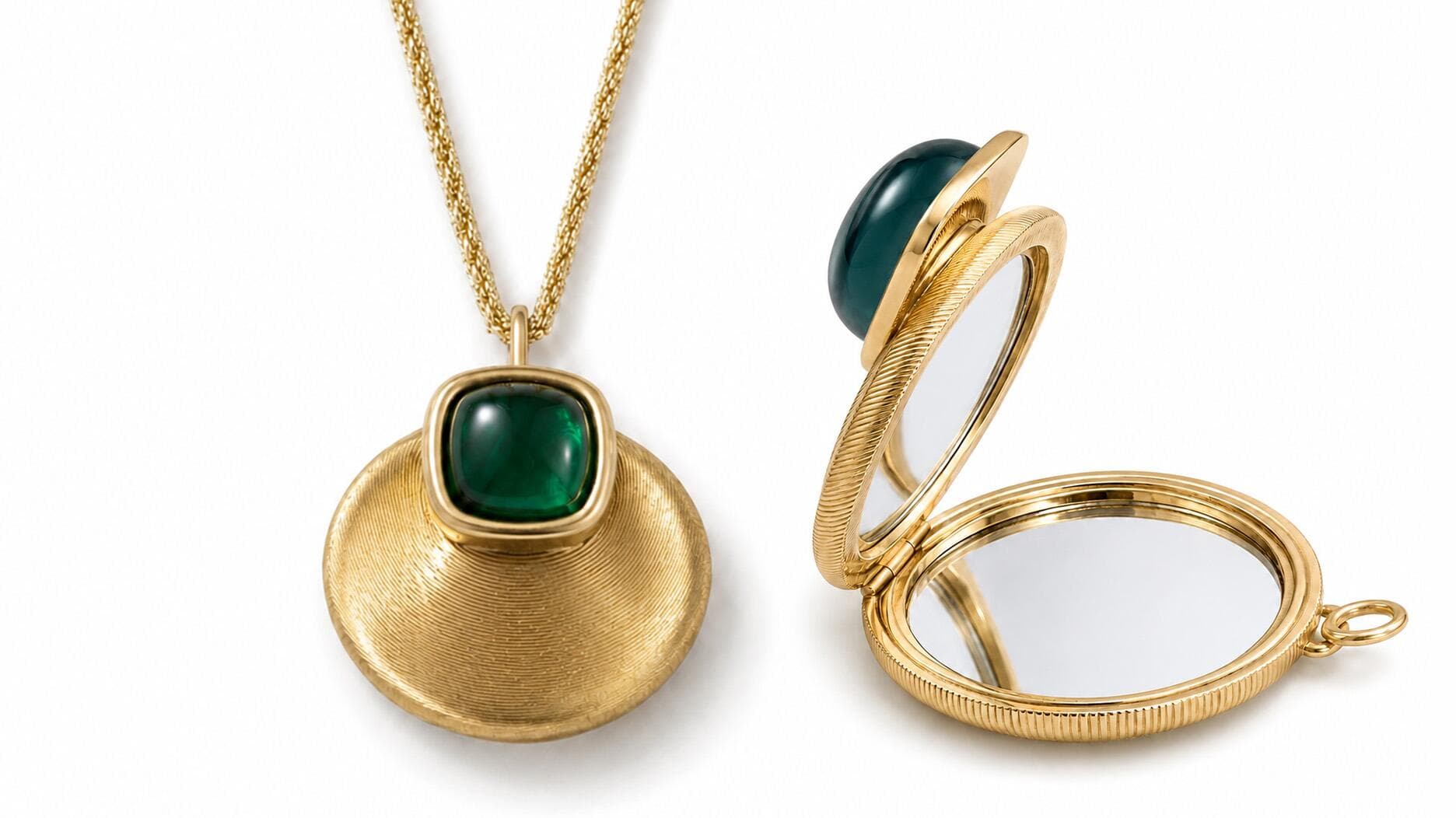
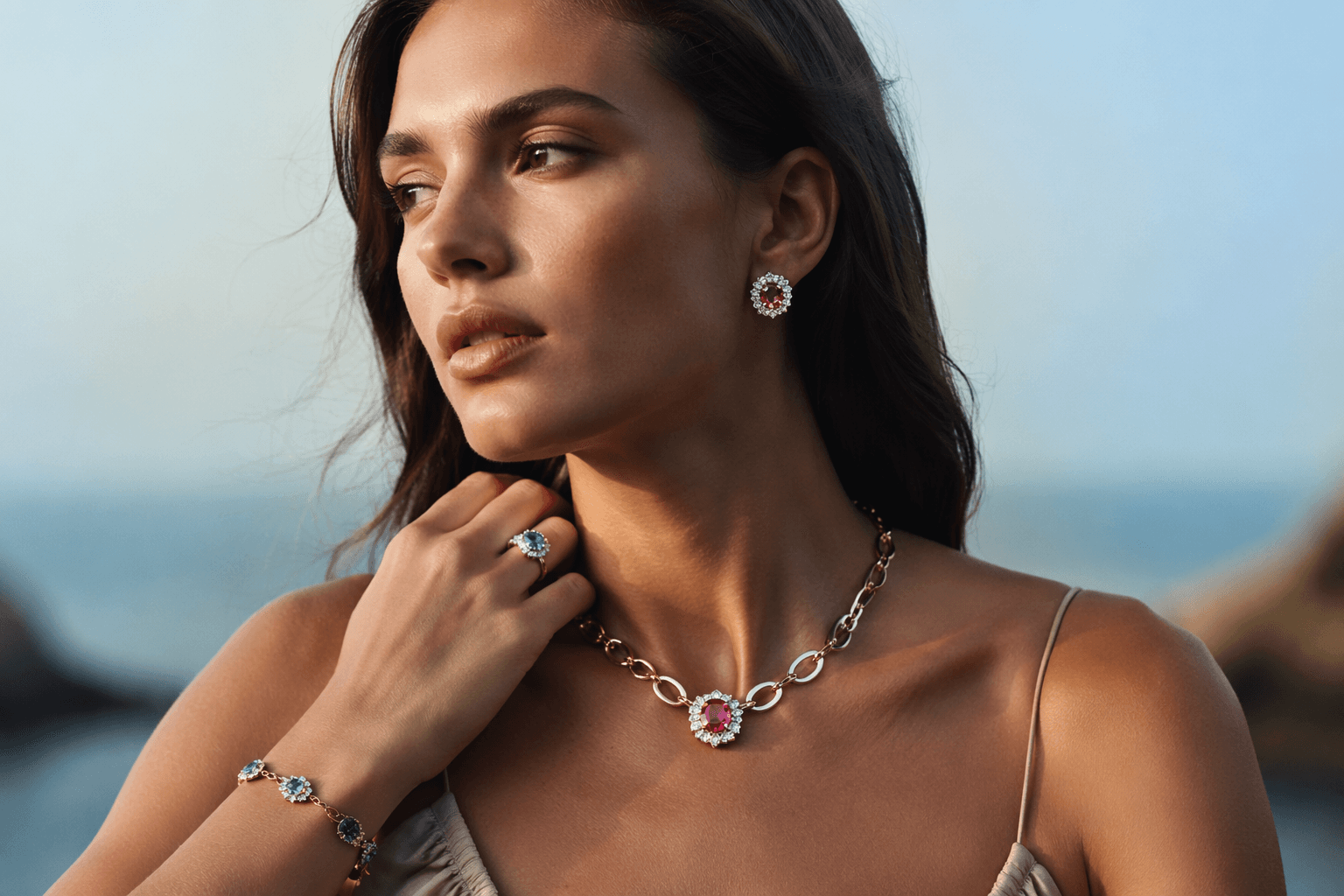
GIA Spotlights Aquamarine and Bloodstone, March's Twin Birthstones
March's twin birthstones tell two different stories: aquamarine brings sea-blue calm and marriage lore, while bloodstone offers a darker, stronger statement.
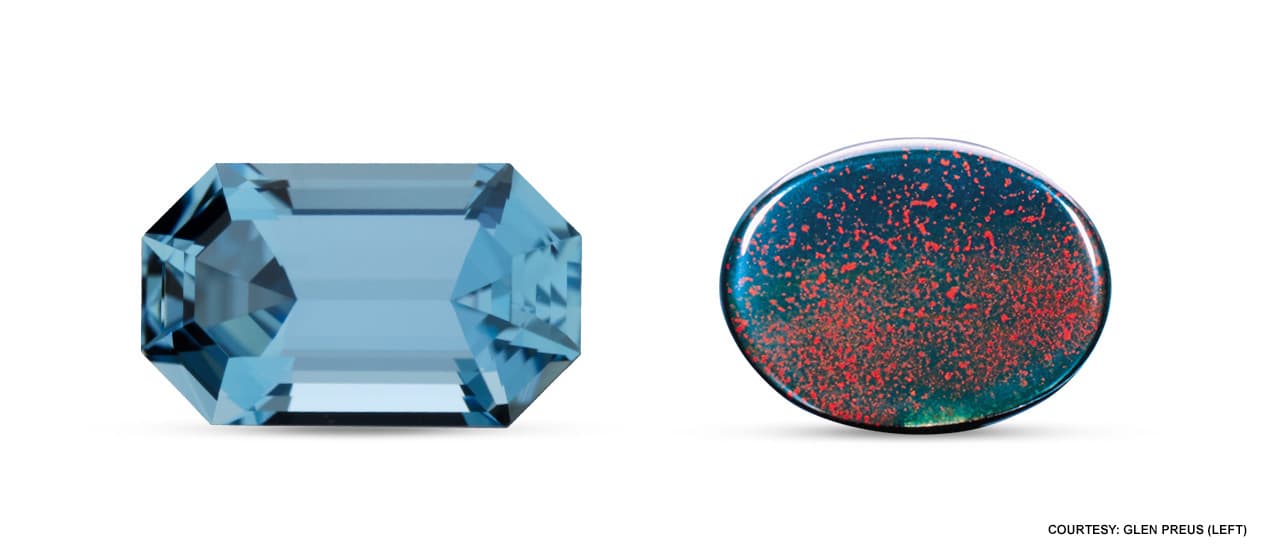
Aquamarine and bloodstone: March’s birthstones, and two very different moods
March gets an unusually clear choice: aquamarine and bloodstone, two birthstones that share a month but not a personality. Aquamarine is the stone of sea light and quiet elegance, while bloodstone brings a darker, more distinctive presence. Both carry a long-standing reputation for protecting well-being, but the message each one sends in jewelry is entirely different.
Aquamarine: the classic March answer
Aquamarine is the March birthstone most people know first, and its name already explains the appeal. GIA traces it to the Latin aqua, meaning water, and marina, meaning of the sea, a perfect fit for a gem that evokes blue-green water at its clearest. The best stones combine high clarity with limpidity and blue to slightly greenish blue hues, which is exactly why aquamarine looks so fresh in rings, pendants, and earrings.
It is also a transparent variety of beryl, and that matters in practical jewelry terms. Large crystals are common enough that aquamarine can be cut into sizable stones and carvings, giving designers room to create pieces that feel generous rather than delicate by necessity. For anyone who wants a birthstone that reads clean, airy, and wearable every day, aquamarine remains the straightforward choice.
The symbolism behind the color
Aquamarine’s meaning is as polished as its appearance. GIA associates it with purity of spirit and soul, and says it was once thought to enhance the happiness of marriages. That makes it especially effective as a gift stone: it works not only for March birthdays, but also for anniversaries, commitments, and milestones that call for a calm, hopeful message.
The stone is also the gem of the 19th wedding anniversary, which adds another layer of use for buyers who want symbolism to do more than decorate. Historical lore surrounding beryl went even further, crediting it with protecting wearers in battle or litigation, making them unconquerable and amiable, and even quickening the intellect. That kind of mythology still gives aquamarine its emotional lift: it suggests clarity, steadiness, and an easy confidence rather than flash.
Bloodstone: the quieter, darker alternative
Bloodstone is March’s other birthstone, and it changes the entire emotional register of the month. Where aquamarine feels light and atmospheric, bloodstone has a deeper, more grounded look that makes it ideal for someone who does not want the obvious choice. GIA describes bloodstone as representing health and strength, and that symbolism gives it a directness that feels especially apt in masculine jewelry, signet rings, and pieces that lean more sculptural than sparkling.
This is the stone to reach for when the wearer wants a birthstone with a little mystery and a little edge. Bloodstone does not compete with aquamarine on brightness, and that is exactly the point. It offers a different kind of gift message: not serenity, but resilience.
What each stone says when it is given
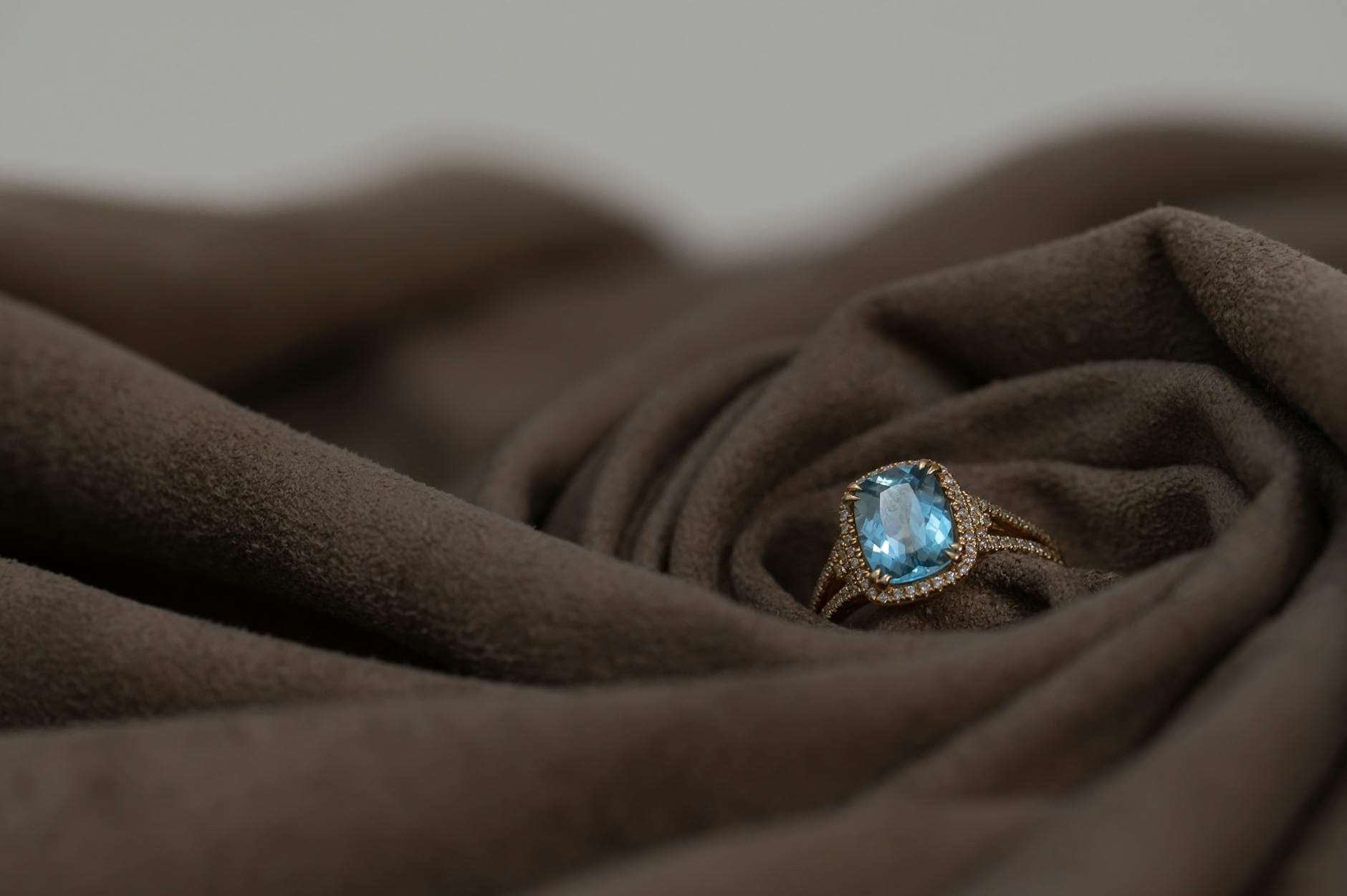
The choice between aquamarine and bloodstone is really a choice between two stories. Aquamarine says purity, calm, and smooth everyday wear. It is the better fit for a classic dresser, for someone who likes pale color, or for a gift that should feel universally flattering.
Bloodstone speaks more quietly, but with more force. It suits the wearer who prefers depth over brightness and originality over familiarity. In a March birthstone context, that distinction matters, because the month is not only about a pale blue gem. It is also about a stone with darker energy and a stronger edge.
Why aquamarine can be monumental
Aquamarine is often treated as the “easy” March birthstone, but its scale can be astonishing. Smithsonian Magazine has written about the Dom Pedro aquamarine, one of the largest cut aquamarines in the world, a roughly 4.6-pound gem cut from a 100-pound crystal unearthed in the late 1980s. That kind of material shows what aquamarine can do when size and clarity align: it can be both ethereal in color and commanding in presence.
For jewelry buyers, that is not just a trivia point. It helps explain why aquamarine appears in such varied forms, from delicate settings to dramatic center stones. A gem that can hold its color in large formats gives jewelers a rare range of design possibilities.
March birthstones in today’s jewelry culture
These month-by-month traditions are not museum relics. GIA’s birthstone display, GIA Celebrates Birthstones, features more than 250 gems, minerals, and jewelry pieces, a reminder that birthstones still shape both design and education. The category continues to live in vitrines, classrooms, and finished jewelry, where meaning is often as important as material.
That is why March deserves more than a single-stone shorthand. Aquamarine is the obvious classic: bright, serene, and unmistakably sea-like. Bloodstone is the darker counterpoint: stronger, less expected, and more individual. Taken together, they show that March birthstone jewelry is not about choosing the one familiar answer, but about choosing the message that fits the wearer best.
This article was produced by Prism’s automated news system from verified source data, official records, and press releases, then run through automated quality and moderation checks before publishing. The system is built and supervised by the people who set the standards it runs under. Read our full AI policy.
Did this article answer your question?