GIA spotlights garnet’s many colors, rich history, and January birthstone role
Garnet is January’s stone, but its real appeal is range, from orange and green to rare color-change gems that make a far more personal gift.
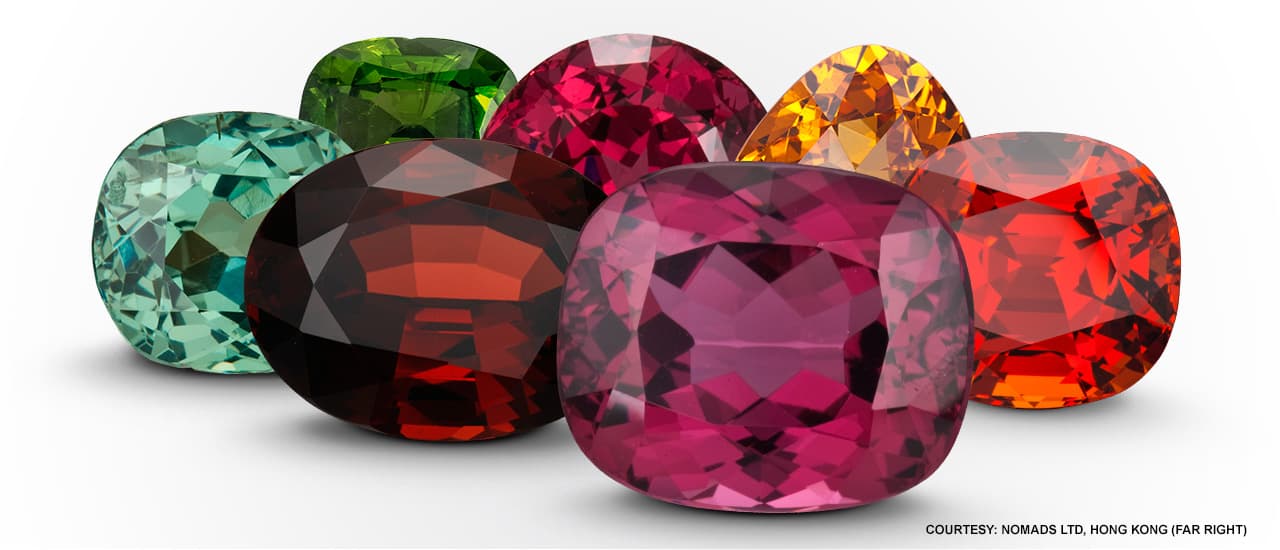
**Garnet is January’s birthstone, but red is only the beginning.** The gem comes in an unusually wide palette, from orange and yellow to purple, vibrant green, and even stones that shift from blue to purple in different light. That range, paired with a history stretching back to the Bronze Age, makes garnet one of the most useful birthstones to understand if you want a January gift that feels chosen, not defaulted.
Why garnet is never just one color
The classic deep-red garnet still anchors the family, but GIA’s guidance makes clear that the species is far more varied than most jewelry buyers realize. Pyrope and almandine can run from purple to orangy red, spessartine is orange, andradite moves from yellow to green, and grossular spans colorless to green, including vivid green. GIA also points to garnets in greens, pinkish oranges, purplish reds, and some blues, which is why the stone can read traditional, bright, or unexpectedly modern depending on the variety.
That variety matters when you are choosing jewelry. A red pyrope or almandine ring feels familiar and seasonal, especially in yellow gold or a slim antique-style setting. Spessartine brings heat and brightness, while green grossular or andradite changes the whole mood, making garnet look less like a birthstone cliché and more like a design choice with personality. If January jewelry usually feels limited to one shade, garnet is the exception that proves the rule.
A stone with ancient status and a name rooted in fruit
The word garnet comes from the medieval Latin granatus, meaning pomegranate, a fitting origin for a gem whose red varieties echo the fruit’s seeds. That connection is more than linguistic flourish. It explains why the stone has long carried associations with life, abundance, and renewal, alongside the positive symbolism GIA links to garnet, including happiness, wealth, and health.
Its history runs deep. Garnets have been used since the Bronze Age both as gemstones and as abrasives, which is a reminder that beauty and utility often overlapped long before modern jewelry marketing arrived. Red garnets adorned the necklaces of ancient Egyptian pharaohs, and in ancient Rome, garnet intaglios appeared in signet rings. Those uses give the stone a rare dual identity: ornamental enough for royal dress, practical enough for cutting and polishing.
Why January belongs to garnet
The modern monthly birthstone list has only a slight relationship to ancient belief systems. GIA’s broader birthstones overview says the calendar was shaped as much by availability and cost as by older symbolic traditions, which helps explain how garnet became fixed as January’s stone. In other words, the lineup we know today is not a perfect relic of antiquity. It is a practical arrangement that gradually hardened into custom.
Britannica makes the same larger point about birthstones in general, noting that they were historically tied to luck and health, then later standardized through monthly associations. Garnet fits that story well because it has remained accessible, widespread, and varied. GIA says it is mined around the world, which helps explain why it stayed central to the January category instead of becoming an obscure collector’s gem.
How to choose a garnet that feels personal
If you want January birthstone jewelry that goes beyond the expected, start with color intention. Deep red still works beautifully when you want something classic, but the less familiar hues do the heavier emotional work. Orange spessartine feels energetic and contemporary. Yellow-to-green andradite has a sharper, more unusual edge. Bright green grossular stands apart most clearly from the standard birthstone image, and color-changing garnets add a layer of surprise that makes the stone feel alive on the hand.
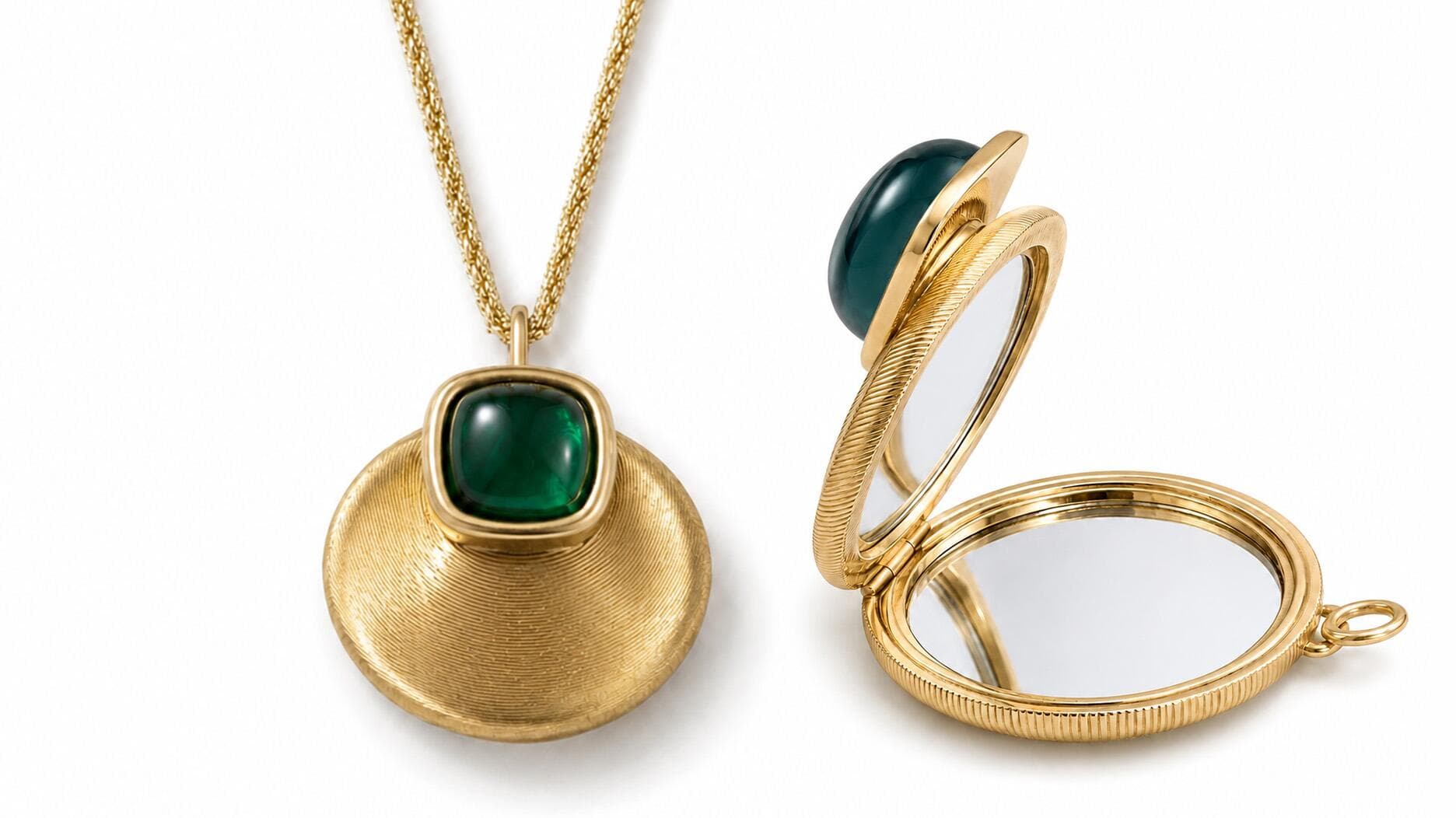
This is where garnet becomes a better gift than many people expect. A January piece does not have to be a small red token or a predictable stackable ring. It can be a conversation piece, a pendant with a green stone in a clean modern bezel, or a more romantic design built around a purplish-red center. For someone who already owns plenty of red jewelry, garnet’s lesser-known colors offer a way to honor the month without repeating the same look.
Provenance gives garnet extra weight
Garnet’s cultural cachet is reinforced by museum-level objects, not just retail display cases. The Smithsonian Institution holds an antique pyrope hair comb, described as one of the most famous pieces of garnet jewelry, and that kind of provenance matters because it shows the stone has moved comfortably between personal adornment and historical artifact. In the United States, where collecting traditions have long shaped how jewelry is understood, that museum presence helps keep garnet intellectually interesting as well as wearable.
GIA has also underscored public fascination with birthstones through its exhibition history. Its “GIA Celebrates Birthstones” display featured more than 250 gems, minerals, and pieces of jewelry, a reminder that birthstones are not a niche afterthought. They are a living category of objects that bridge geology, design, and memory, and garnet sits near the center of that conversation because it can look both familiar and startlingly original.
The case for looking past red
Garnet’s real luxury is not rarity in the narrow sense, but range. It gives January shoppers a choice between tradition and surprise, between the expected red stone and a palette that can move into orange, yellow, green, purple, or color-change territory. That breadth is what makes garnet such a strong birthstone for modern buyers: it can signal heritage without feeling static, and it can feel personal without losing the authority of a classic.
This article was produced by Prism’s automated news system from verified source data, official records, and press releases, then run through automated quality and moderation checks before publishing. The system is built and supervised by the people who set the standards it runs under. Read our full AI policy.
Did this article answer your question?