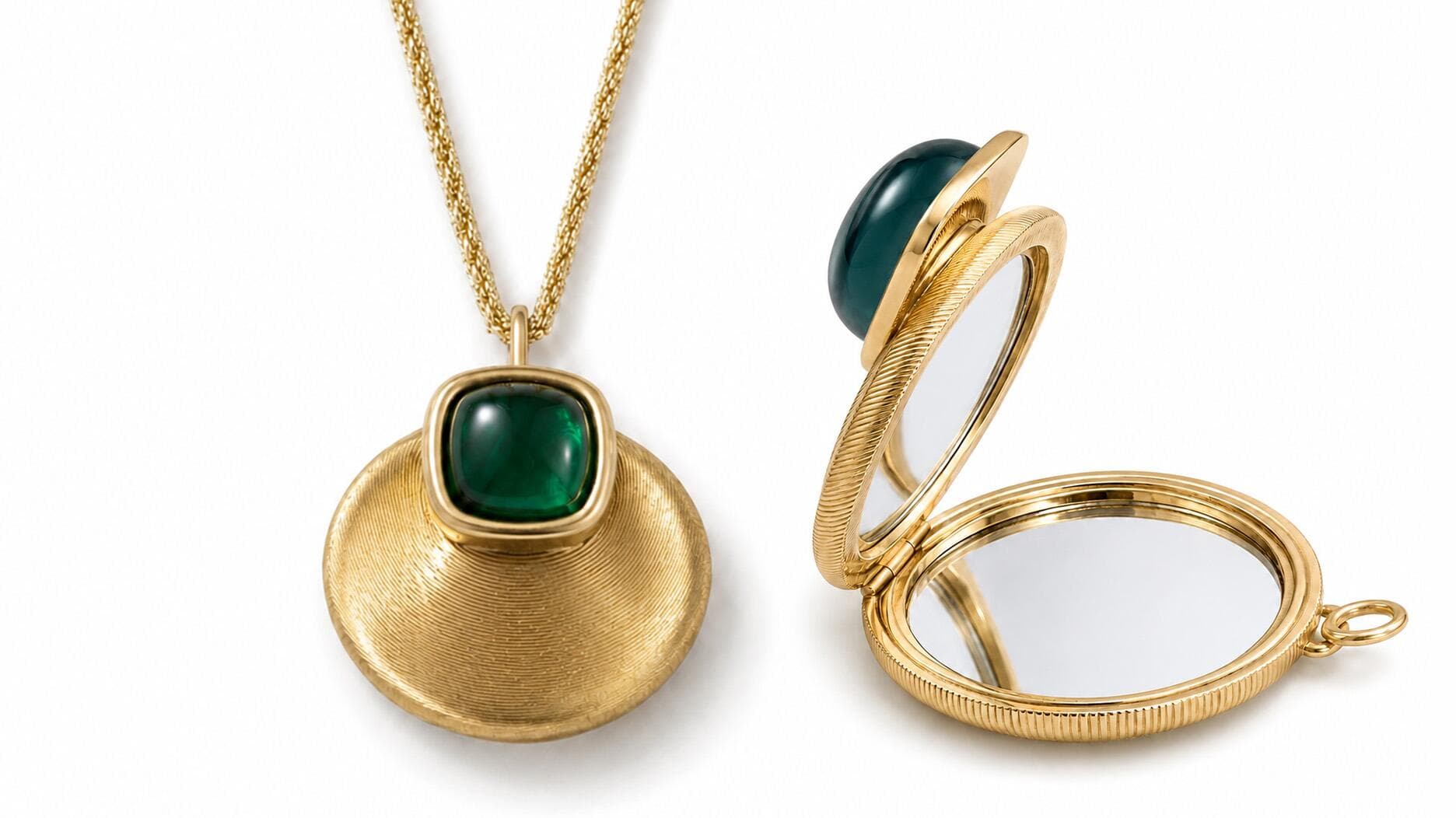
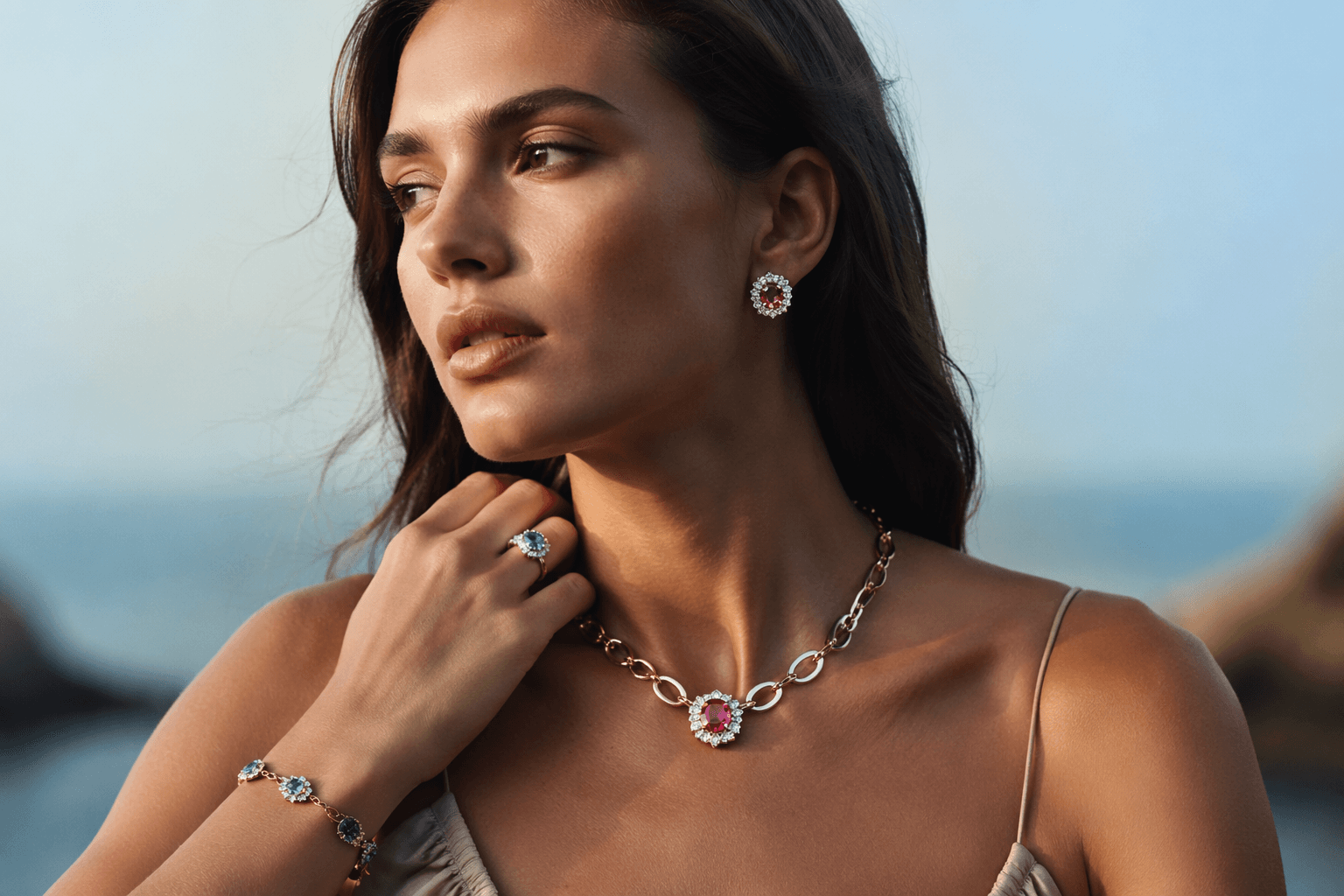
Gold prices reshape birthstone jewelry, smaller collections and stronger storytelling
Gold’s record run is shrinking birthstone pieces, but it is also making color, symbolism, and personal storytelling the real luxury.
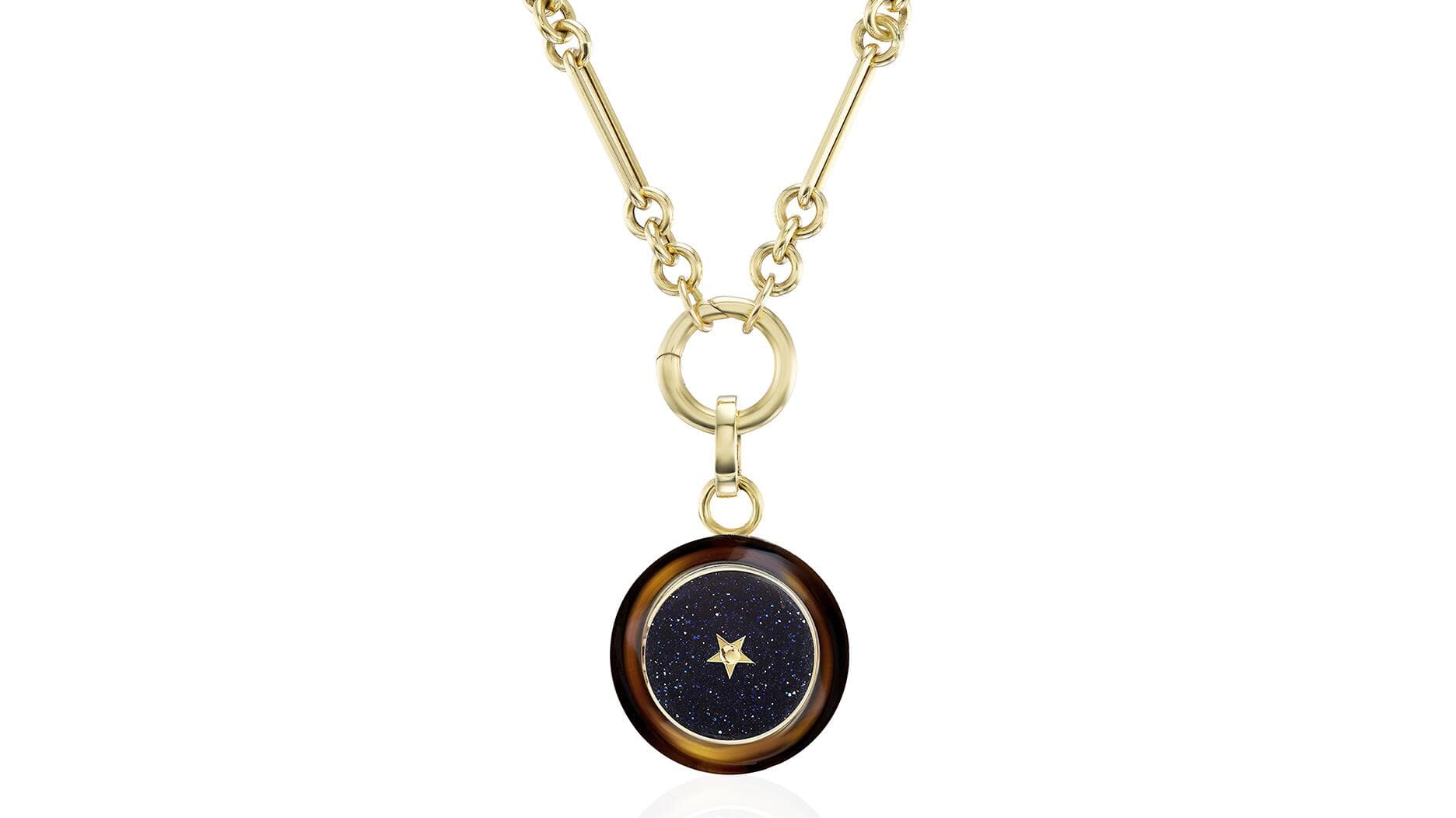
Gold’s climb has changed the look of birthstone jewelry before it changes the price tag. Designers are trimming metal weight, shortening assortments, and letting stones do more visual work, so the pieces that feel most current are often the lightest ones on the hand and the most personal ones on the neck.
Gold is forcing a design reset
The pressure is visible in the numbers. Global gold-jewelry demand fell 21% year over year to 380 tonnes in the first quarter of 2025, then slipped further to 299.7 tonnes in the first quarter of 2026, the weakest Q1 level since Q2 2020. Yet spending reached a record first-quarter US$47 billion in 2026 because higher prices lifted the value of each purchase, even as fewer grams crossed the counter.
That disconnect explains the new birthstone formula. The World Gold Council says 2025 was the first year total gold demand passed 5,000 tonnes, with 53 new all-time highs and an annual average price of US$3,431 per ounce. In the United States, gold demand surged 140% year over year to 679.3 tonnes in 2025, driven almost entirely by ETF investment, while jewelry demand fell 11.1% to 117.3 tonnes. The message to jewelry buyers is simple: gold is still desirable, but it has become expensive enough that every gram has to earn its place.
For birthstone jewelry, that has pushed the category toward slimmer rings, lighter pendants, and more compact silhouettes. Makers are also experimenting with non-gold materials such as wood and leather, not as a gimmick, but as a way to keep the look expressive while the metal footprint shrinks. The strongest collections feel edited rather than reduced.
Why birthstones are having such an easy year
Birthstones fit this market because they sell meaning as much as material. Stuller says the category is thriving on personalization, emotional connection, stacking, family combinations, milestone jewelry, memorial pieces, and gifting. Rapaport’s view is similar: in 2026, personalization is less about decoration and more about storytelling, with birthstones and symbolic details turned into keepsakes that mark relationships, achievements, growth, and remembrance.
That is why birthstone jewelry keeps outperforming its modest size. A small peridot ring, a sapphire pendant, or a pair of garnet studs can feel more significant than a larger plain gold piece because the stone does the narrative work. When gold is expensive, that emotional charge matters even more. Buyers are not only paying for a metal setting, they are paying for a date, a person, a memory, or a family connection.
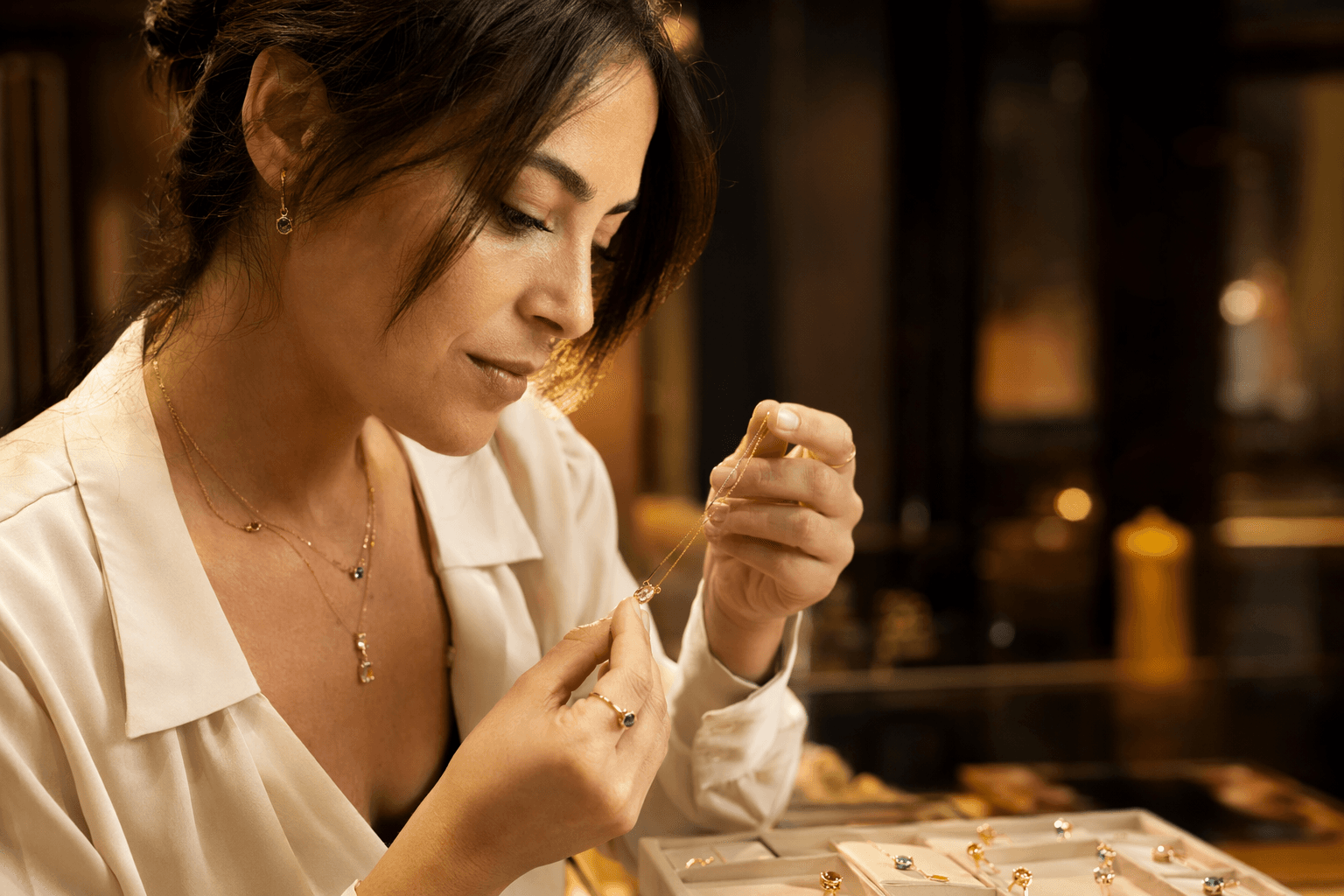
GIA’s framing helps explain the appeal. Birthstones reach across gender, age, nationality, and religion, which gives designers a remarkably broad audience for such a specific idea. In practice, that means the category can be sold as a gift, a self-purchase, or a family heirloom without changing the basic design language.
A tradition with deep roots and a modern reset
Birthstones are not a modern marketing invention, even if the market now uses them very strategically. The American Gem Society says the tradition likely traces back to biblical times, when a priest’s breastplate was decorated with 12 colored gems. The modern list was standardized in 1912, when the American National Association of Jewelers voted to create an agreed-upon stone for each of the 12 calendar months.
That history matters because it gives today’s birthstone pieces a sense of continuity. A January garnet ring or a September sapphire charm can feel current without needing novelty for novelty’s sake. Designers are leaning into that stability, then updating the format with cleaner lines, smaller profiles, and more deliberate material choices.
What is changing is not the symbolism, but the scale. The new birthstone piece is less likely to be a heavy statement ring and more likely to be a stackable band, a slim bezel pendant, or a delicate charm that can sit alongside other sentimental pieces. The visual emphasis moves from metal volume to stone color, which is exactly what buyers want when they are trying to justify every ounce of gold.
What to expect in rings, pendants, and everyday pieces
In birthstone rings, expect narrower shanks, lower profiles, and smaller centers surrounded by restrained metalwork. A single stone can carry the look when the setting is clean and the proportions are tight. Family rings and stackable bands are likely to keep growing because they let several birthstones share one wrist or hand without demanding a large gold investment.
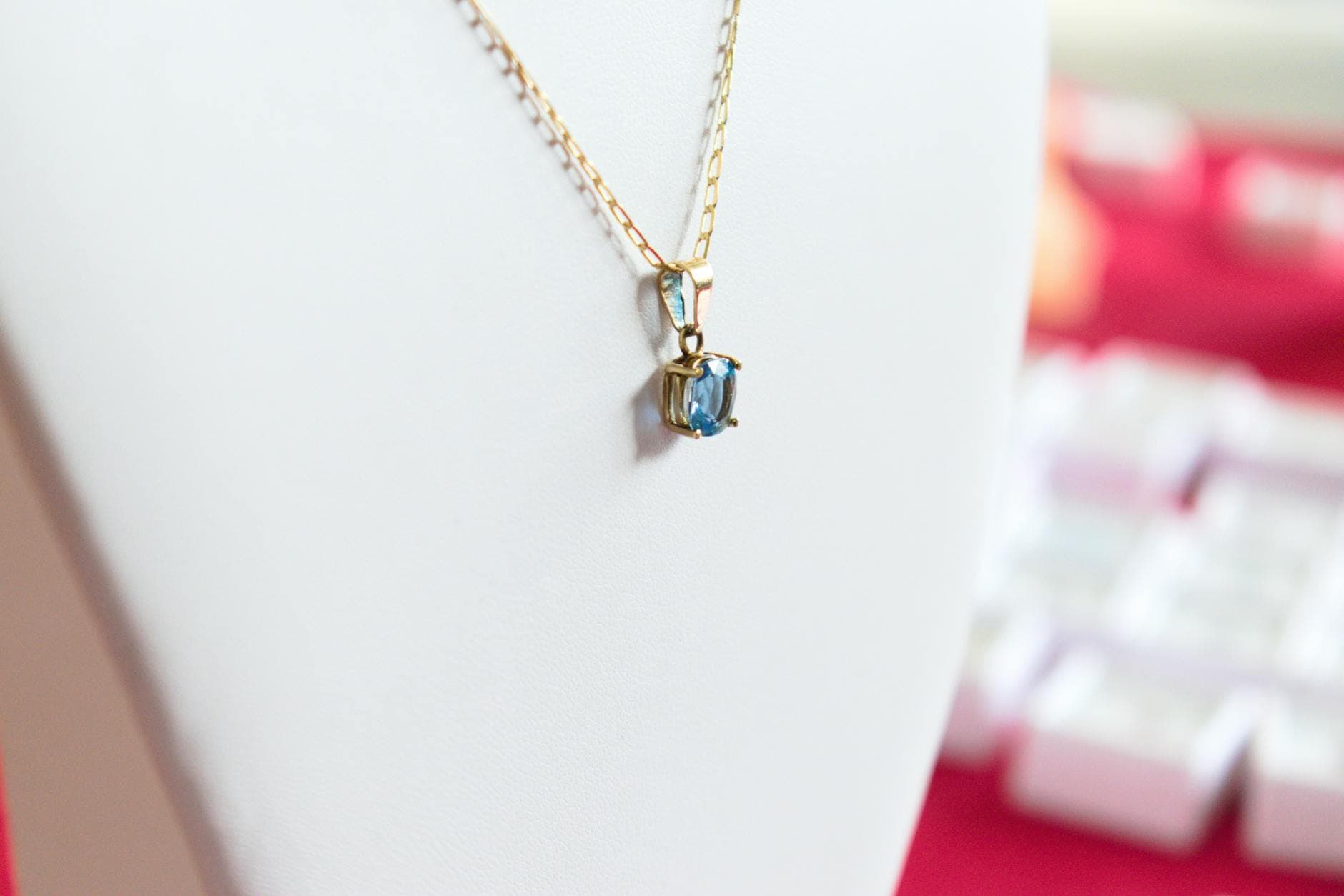
Pendants are likely to become even more important. A small stone in a lightweight frame gives designers room to work with color without raising the metal content too much, and that makes pendants ideal for milestone gifts and memorial pieces. Everyday earrings and slim bracelets also fit the moment because they can be worn often without feeling overbuilt.
More broadly, expect collections to get smaller and more edited. That is part economics and part storytelling: when brands cannot afford to spread themselves across too many SKUs, the pieces that survive tend to have a stronger point of view. In birthstone jewelry, that usually means tighter editing, clearer symbolism, and less ornamental excess.
How to buy with a sharper eye
The best birthstone jewelry in this market should feel intentional, not merely economical. Look for pieces where the stone, setting, and metal weight are in proportion, so the design feels balanced rather than thin. If a brand adds alternative materials such as wood or leather, the choice should deepen the design story, not mask weak construction.
A few practical signs are worth watching for:
- Clear stone identification, not vague color descriptions
- Honest metal disclosure, especially on lighter-weight pieces
- Settings that protect softer stones if the piece is meant for daily wear
- Designs that justify their price through craftsmanship, not just gold content
- Personal details, such as initials, dates, or family combinations, that make the piece a true keepsake
The larger shift is unmistakable. Gold’s record run has made birthstone jewelry lighter, smaller, and more selective, but it has also made the category more emotionally legible. In a market where metal costs more and consumers want more meaning per purchase, the pieces that last will be the ones that make color, memory, and craftsmanship do the heavy lifting.
This article was produced by Prism’s automated news system from verified source data, official records, and press releases, then run through automated quality and moderation checks before publishing. The system is built and supervised by the people who set the standards it runs under. Read our full AI policy.
Did this article answer your question?