June birthstones span pearls, moonstone and rare alexandrite pieces
Alexandrite is the rare trophy buy, pearl is the daily classic, and moonstone delivers softer, trend-led shimmer in June's most flexible birthstone lineup.
1. June's three-stone advantage
June is one of only three months, alongside August and December, with three birthstones, and that gives the category unusual buying range. Pearl, moonstone and alexandrite let you choose for budget, mood and long-term value instead of settling for one preset answer.
2. Alexandrite is the stone to watch
Alexandrite sits at the top of the June hierarchy because it is the rare color-change variety of chrysoberyl. If you want June jewelry with collector appeal, this is the birthstone that behaves most like a true investment gem.
3. The Oscar Heyman ring sets the ceiling
The standout high-water mark is an Oscar Heyman Brazilian alexandrite and diamond ring set in platinum, priced at $330,000. It is the kind of jewel that turns a birthstone from a sweet symbolic gift into a serious luxury object.
4. Scarcity explains the price
That six-figure number is not a stunt. Fine alexandrite remains exceptionally rare and valuable, so the price reflects the stone's shortage, its color-change appeal and the level of craftsmanship required to frame it properly.
5. Pearl hoops are the easiest daily wear
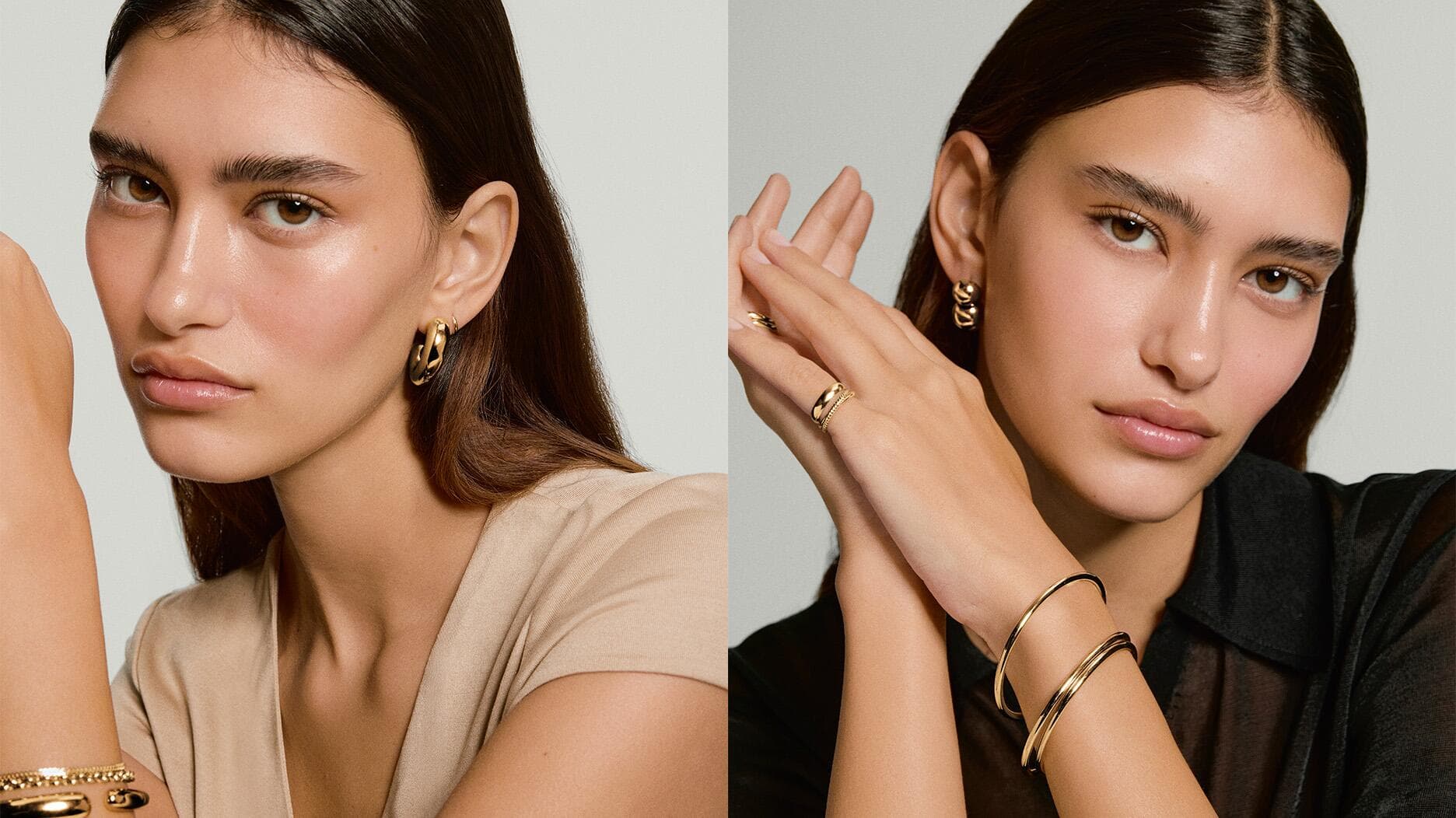
Pearl hoops are the most wearable entry point in the June trio because they bring softness without sacrificing polish. They read as current rather than delicate, which makes them especially strong for summer dressing and repeat wear.
6. Imperial Pearl lands in accessible luxury
An Imperial Pearl bracelet at $2,395 shows where pearl jewelry can sit when it moves past costume and into fine jewelry. The price is high enough to signal quality, but still far below the alexandrite showpieces that live at the top of the market.
7. Pearl is the dependable staple
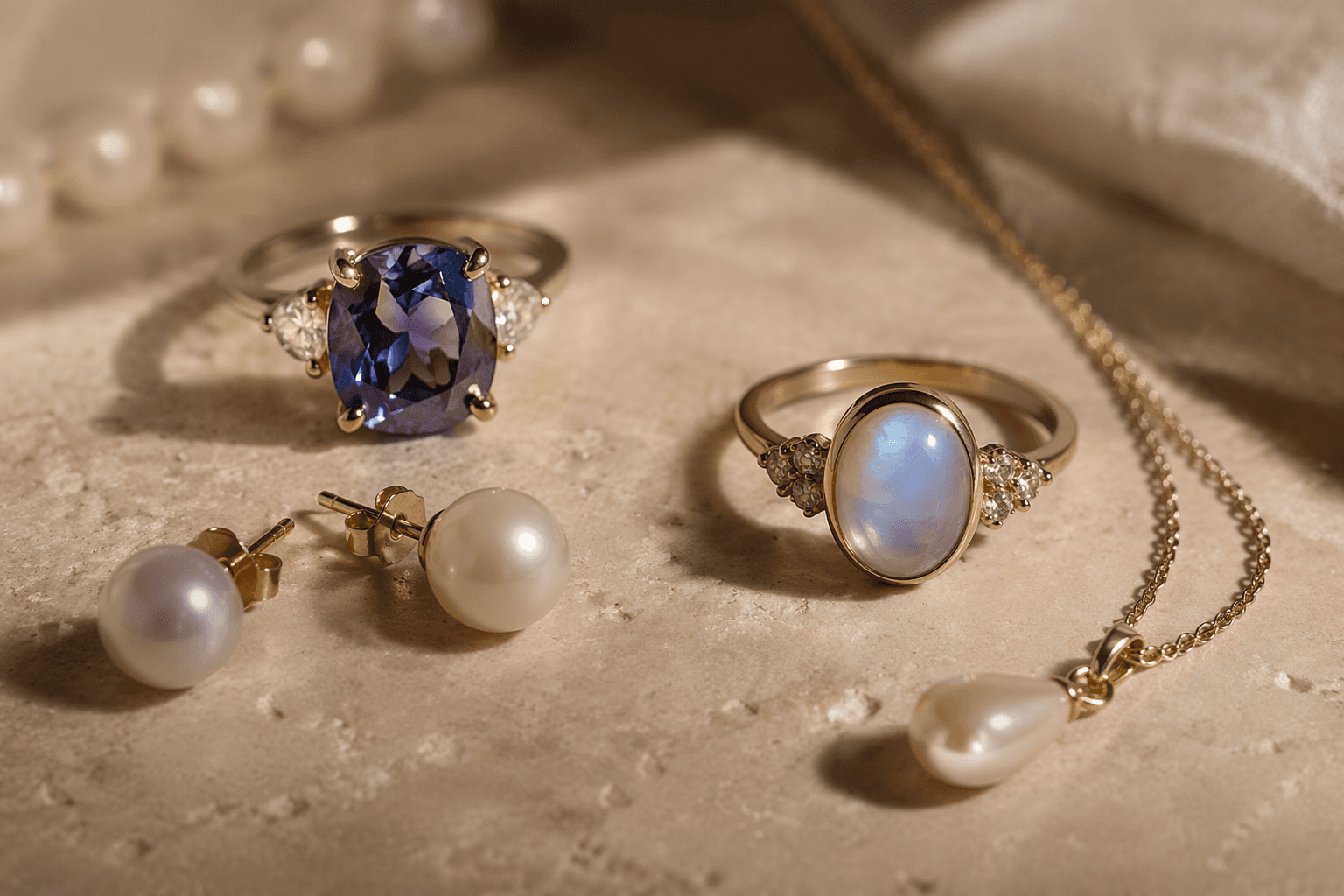
If alexandrite is the watchlist stone, pearl is the one built for constant rotation. It works with office tailoring, clean weekend uniforms and evening looks with the least resistance, which is why it remains the safest long-term buy for most wardrobes.
8. Pearls carry a provenance story no mined gem can match
Pearls are the only gemstones made by living creatures, and that origin gives them a material story as compelling as their luster. For buyers who care about where beauty comes from, that living provenance is part of the appeal.
9. Moonstone pendants bring the softest glow
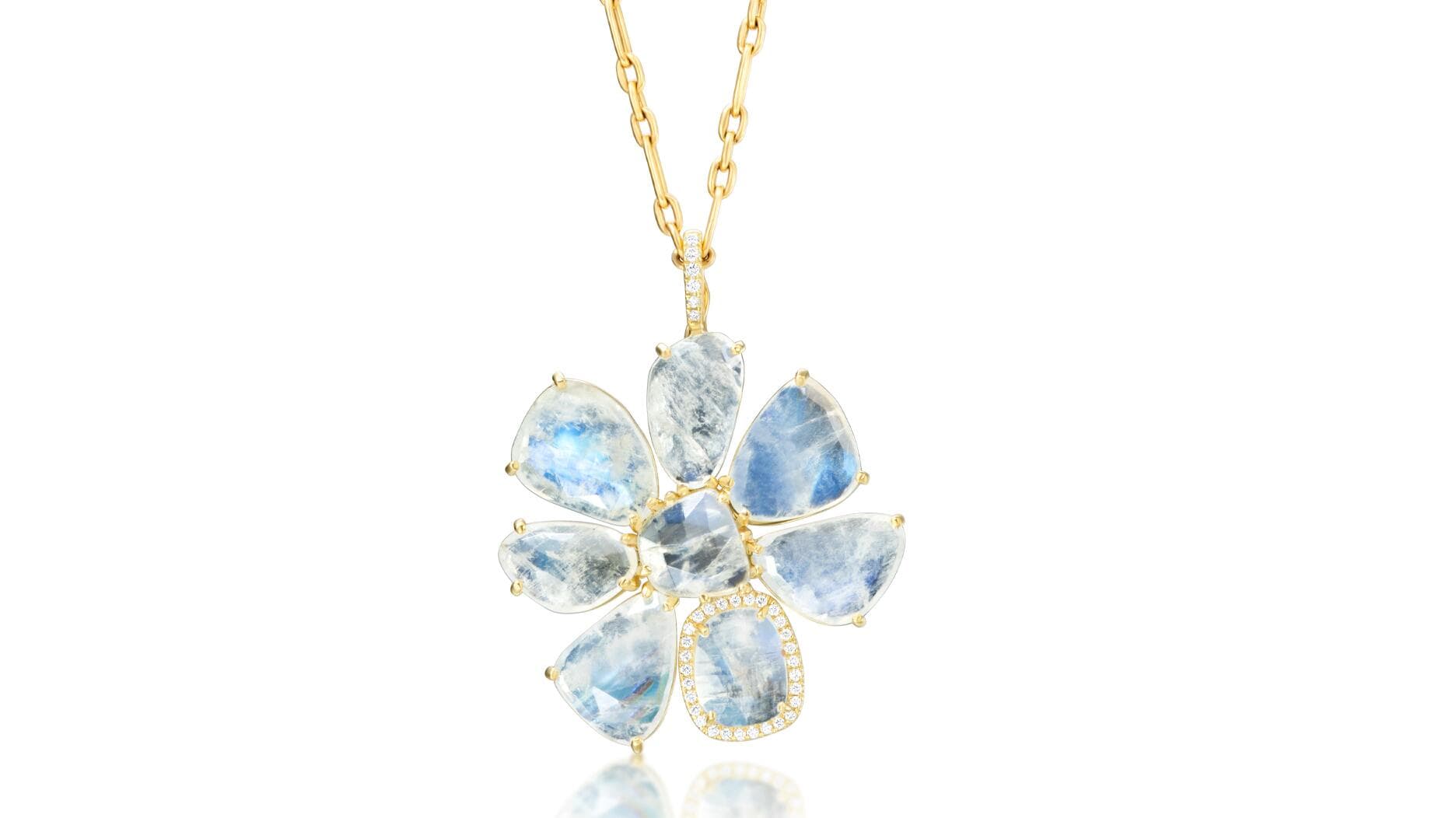
Moonstone pendants are the most trend-driven of the three categories, with a quieter light that feels especially right for warm-weather jewelry. They are ideal if you want something less expected than pearl and less financially committed than alexandrite.
10. Adularescence is moonstone's signature
Moonstone's shimmer is called adularescence, and that floating light effect is what gives the stone its appeal. It is a visual trick that feels modern on the neck, even though the gem has long been part of the June story.
11. The traditional June choice is still pearl
The Old Farmer's Almanac keeps pearl as the traditional June birthstone, with alexandrite and moonstone as alternatives. That old hierarchy still makes sense in retail terms: pearl is the classic, moonstone is the moodier option, and alexandrite is the rare prize.
12. Moonstone's name has serious pedigree
Moonstone was named by Pliny, which gives the gem a literary and historical root that most shoppers never hear in a sales pitch. That lineage adds depth to the stone's current fashion status without making it feel dusty.
13. The June market spans from entry luxury to trophy jewelry
National Jeweler's range, from a $2,395 Imperial Pearl bracelet to a $330,000 Brazilian alexandrite piece, captures how broad June birthstone shopping can be. Few birthstone categories stretch so convincingly from attainable fine jewelry to ultra-luxury.

14. This trio works because it fits different lives
GIA treats June's birthstones as a practical trio for different moods and budgets, and that is the category's real strength. Pearl serves the wearer who wants consistency, moonstone serves the one who wants texture and glow, and alexandrite serves the collector.
15. Alexandrite's origin story still matters
Alexandrite was first discovered in Russia's Ural Mountains in the 1830s, which helps explain why it still carries a sense of rarity and discovery. Today it is also found in Sri Lanka, East Africa and Brazil, broadening its geographic story without softening its mystique.
16. The best alexandrite is still hard to find
The American Gem Society's plain assessment is the one that matters most to buyers: fine alexandrite is exceptionally rare and valuable. That scarcity is why the stone belongs in a serious buying conversation, even if the budget is nowhere near six figures.
17. Summer styling favors lighter settings
Gizzi's June lineup leans into summer wearability, and that is exactly where pearl hoops and moonstone pendants perform best. Open, light settings let the stones do the work, which keeps the look fresh rather than overbuilt.
18. The smartest choice depends on your wardrobe
If your jewelry box is built around tailored basics, pearl is the strongest practical purchase because it will outlast seasonal trend shifts. If you want something more directional, moonstone offers the best fashion return without the premium commanded by alexandrite.
19. The clearest buying hierarchy is also the most honest
Alexandrite is the rare, high-value piece worth watching, pearl is the dependable everyday staple, and moonstone is the trend-led alternative with the lightest lift. That ranking makes June birthstone shopping easier, because it ties sentiment to real value instead of vague tradition.
This article was produced by Prism’s automated news system from verified source data, official records, and press releases, then run through automated quality and moderation checks before publishing. The system is built and supervised by the people who set the standards it runs under. Read our full AI policy.
Know something we missed? Have a correction or additional information?
Submit a Tip