Personalized birthstone jewelry leads as buyers seek emotional meaning
Birthstone jewelry is winning because it turns a gift into a family story, and June alone offers pearl, alexandrite and moonstone in one month.
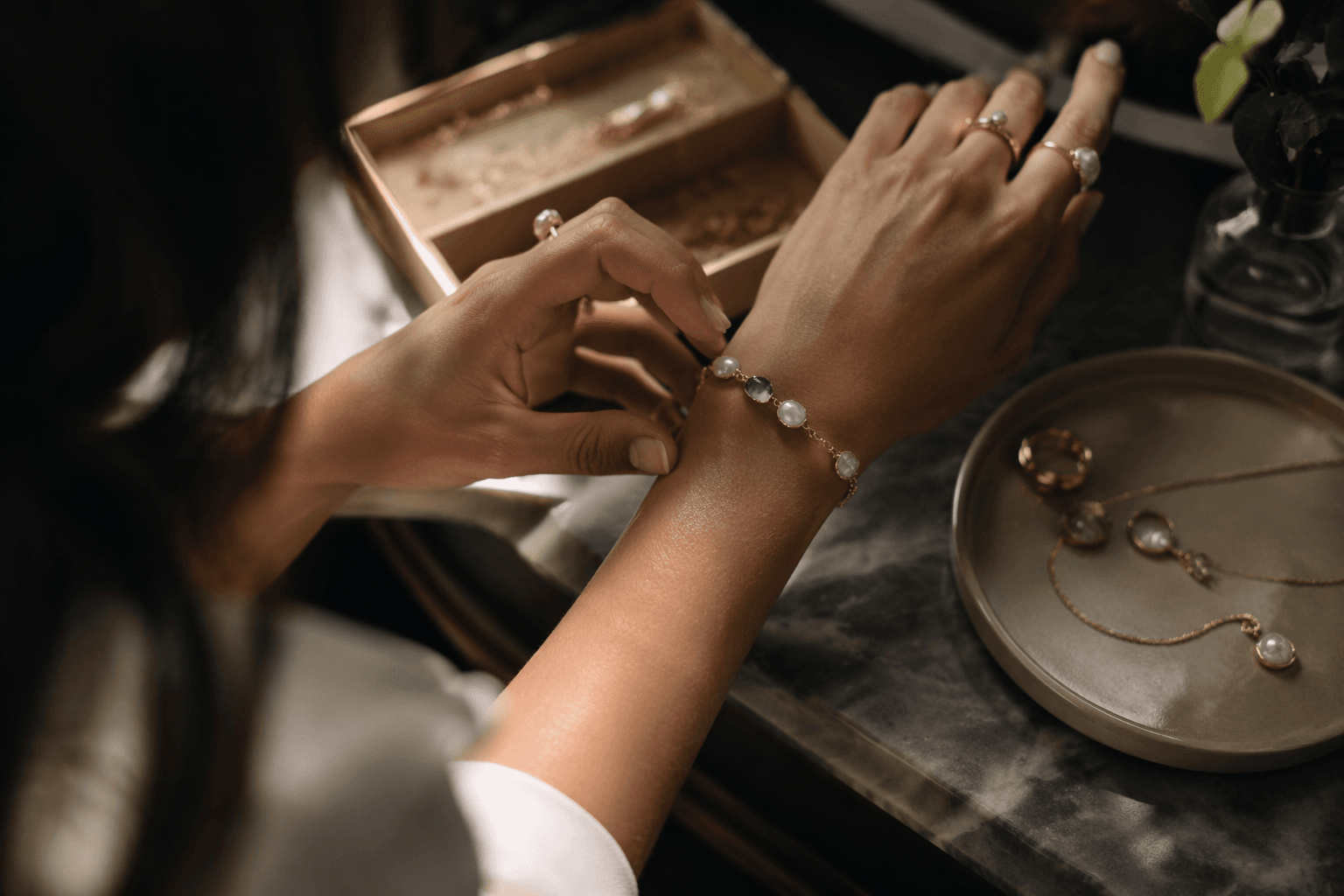
Personalized jewelry kept its grip on the market in June, with Theo Grace’s June 14, 2026 report saying family-focused pieces, birthstones and name designs continued to dominate demand. Necklaces remained the most popular personalized category, a sign that buyers still prefer pieces that sit close to the body and carry an obvious emotional charge.
JCK has been tracking the same momentum since demand for personalized jewelry spiked during the pandemic and stayed high. On May 4, the trade publication said retailers were leaning into birthstones, names, dates, symbols, letters and initials, along with charms, rings and pendants that let shoppers turn jewelry into something more intimate than a monogram. Andrea LeDay, Stuller’s fine jewelry product manager, framed the category as "Storyteller", shorthand for jewelry that feels personal and full of meaning. That is the crucial distinction in today’s market: a personalized piece is not simply marked with a name, it is built to carry memory.
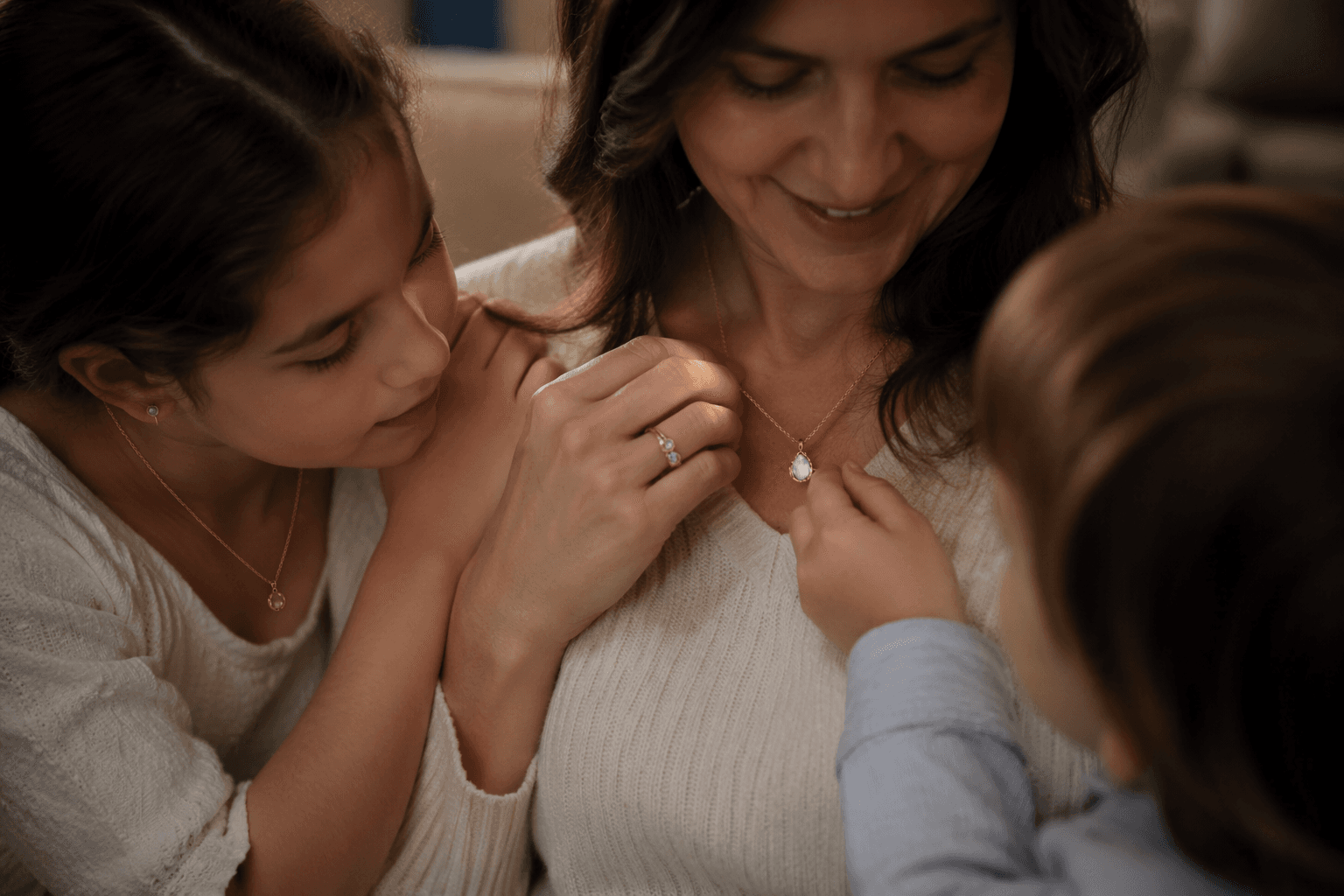
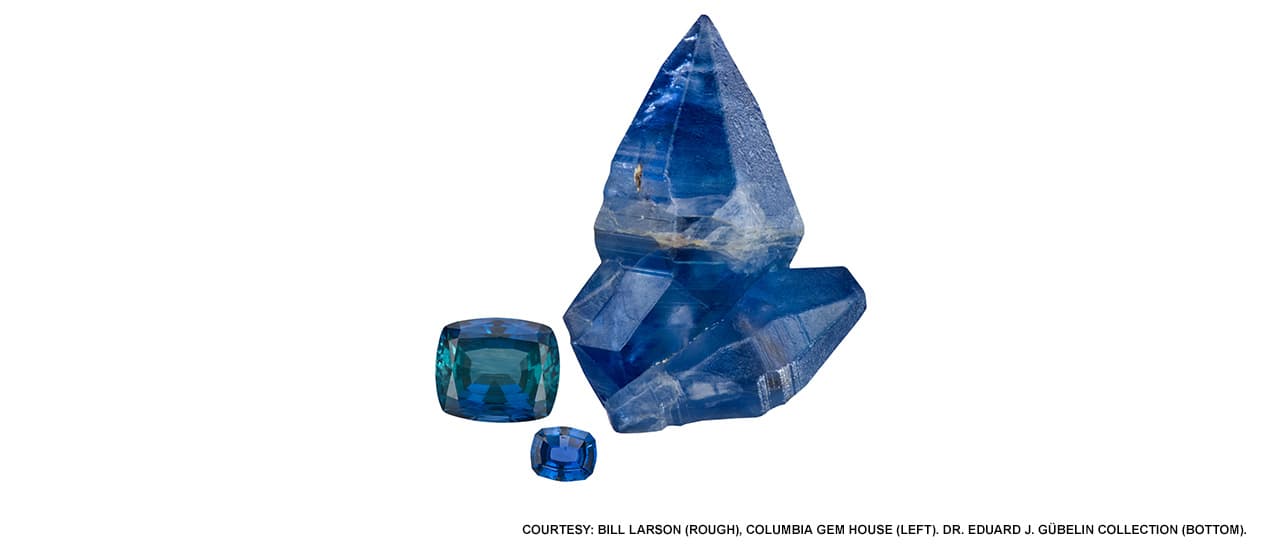
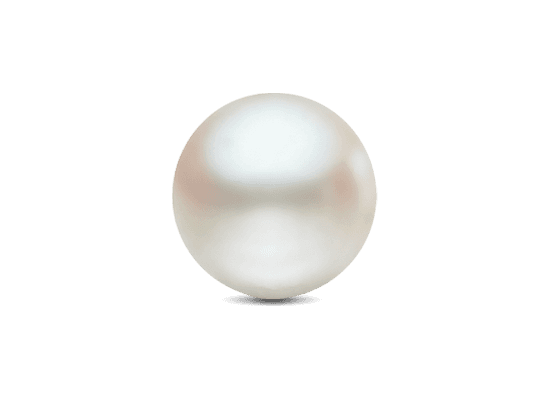
Birthstones give that idea a particularly durable structure. National Jeweler’s June 8 roundup counted 19 June birthstone pieces and pointed to an unusually flexible month, with pearl, alexandrite and moonstone all serving as official birthstones. Pearl brings softness and classical formality; alexandrite adds rarity and color-change intrigue; moonstone offers an ethereal, lower-barrier entry point for younger buyers and more accessible gifts. That range matters commercially because it lets a retailer tell three different stories for the same calendar occasion, from heirloom-worthy to first-jewelry-buying accessible.
The category’s staying power also comes from its reach. The Gemological Institute of America says birthstones appeal across gender, age, nationality and religion, which helps explain why they remain a gift aisle staple rather than a passing styling trick. Statista projects worldwide jewelry revenue at US$408.64 billion in 2026, with the market growing at a 5.10% compound annual rate through 2031, and says 75% of sales will come from non-luxury jewelry. In that context, birthstone pieces are especially valuable because they can live across price tiers while still feeling personal.
Gold prices remain top of mind for brands in 2026, and that pressure is pushing design toward smarter construction, lighter weight and stronger storytelling. The winning birthstone piece is not the loudest or the largest; it is the one that gives a stone, a date or an initial enough meaning to justify its cost, which is exactly why the category keeps outperforming generic personalization.
This article was produced by Prism’s automated news system from verified source data, official records, and press releases, then run through automated quality and moderation checks before publishing. The system is built and supervised by the people who set the standards it runs under. Read our full AI policy.
Know something we missed? Have a correction or additional information?
Submit a Tip