September sapphire jewelry offers color, meaning, and lasting value
September sapphire jewelry pairs deep symbolism with hard-wearing corundum, but the best buys depend on color, treatment disclosure, and durable settings.
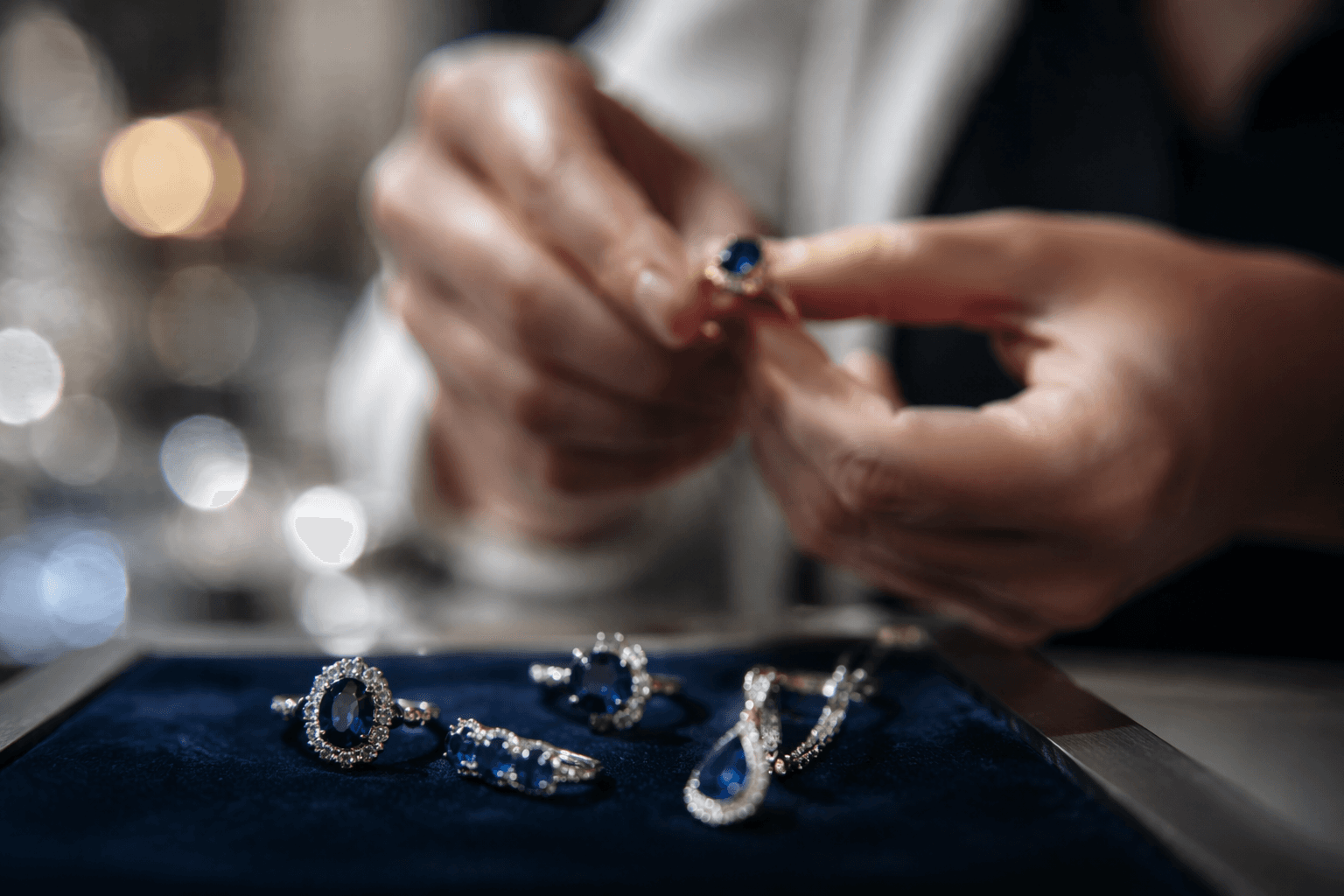
Princess Diana’s engagement ring was an 18-carat white-gold ring with a large oval sapphire surrounded by 14 round diamonds, and it later became the ring worn by Catherine, Princess of Wales. September sapphire jewelry can read as sentimental gift, daily-wear jewel, and family heirloom in the same breath. Sapphire has long carried associations with sincerity, truth, faithfulness, and nobility, but the smartest way to buy it is not by sentiment alone. Start with the stone itself, then ask how it was treated, how it is set, and whether the piece is built for years of wear.
Why sapphire keeps its appeal
Sapphire is the September birthstone, and it also marks the 5th and 45th wedding anniversaries, which gives it unusual range as a gift. It can anchor a birthstone ring, an anniversary band, or a pendant intended to move through generations without feeling precious in a fragile way. The stone’s royal associations reinforce that longevity.
Sapphire belongs to the Big 3 jewelry gems, alongside ruby and emerald.
How to judge sapphire color
Color is the most important value factor in sapphire, and it is where buyers can separate an ordinary stone from a compelling one. The most prized blue sapphires show a strong, vivid blue in a medium to medium-dark range, not a flat, inky, or washed-out look. That balance gives the gem life on the hand and depth in low light.
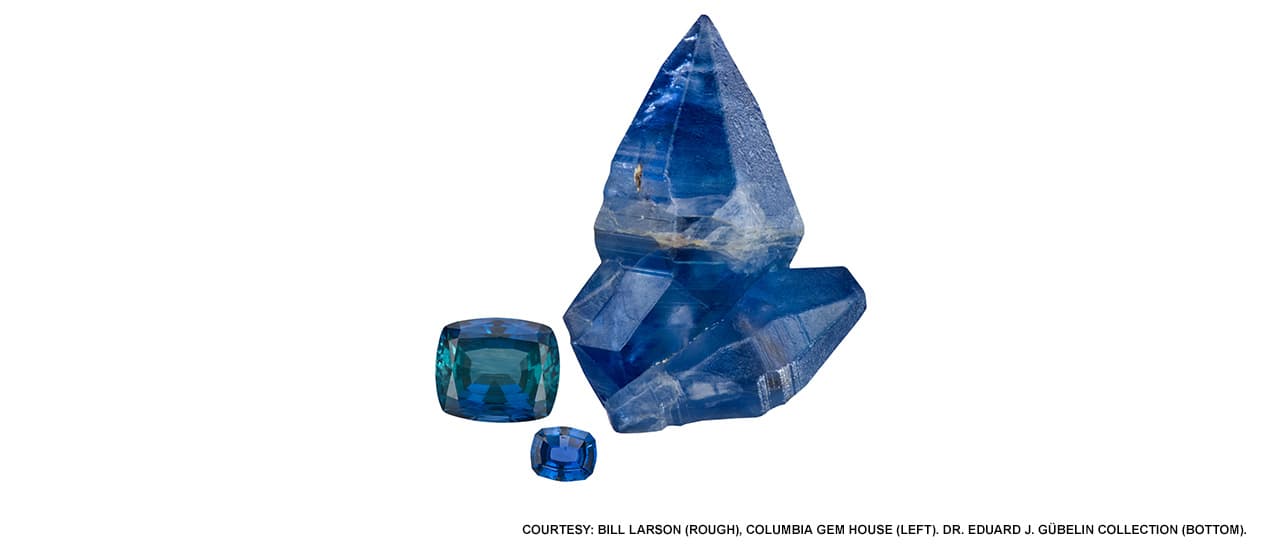
Sapphire does not stop at blue. The gem appears in every color but red, and ruby is the red variety of corundum. That means sapphire jewelry can be chosen as a deeply personal color statement, whether the stone runs teal, yellow, green, purple, or the rare pinkish-orange padparadscha, a named variety prized for its distinct hue. For readers who want a birthstone piece that feels less expected than blue, that wider spectrum opens the door to more individualized necklaces, rings, and bracelets.
What to ask about treatments
A large amount of sapphire on the market has been heat treated or lattice-diffusion treated, and those treatments matter both for price and care. Lattice diffusion uses heat and chemicals to diffuse an element into the gemstone to artificially change its color, and the added color can be shallow or extend through the stone.
Ask directly whether the sapphire has been heat treated, lattice-diffusion treated, fracture-filled, cavity-filled, or dyed. Get a lab report when the answer is not clear because non-disclosure can make a treated stone seem naturally rarer or higher quality than it is. Lattice-diffusion-treated sapphires generally cost less than heat-only treated or untreated stones, so disclosure is part of the pricing.
The caution gets sharper with filling or dyeing. Those treatments can be permanent, long lasting, or short-lived under normal jewelry use, which means the stone may demand more careful handling than a standard sapphire ring or pendant. CIBJO, AGTA, and the International Colored Gemstone Association have warned that color instability in treated Sri Lankan sapphires and rubies can weaken consumer confidence.
Why sapphire works for everyday wear
Sapphire is one of the hardest gems used in jewelry. GIA lists corundum, the mineral family that includes ruby and sapphire, at 9 on the Mohs scale, with a refractive index of 1.762 to 1.770 and a specific gravity of 4.00. Corundum has excellent toughness and no cleavage, which is why sapphire is so often chosen for rings and other pieces that get knocked around in real life.

That durability gives buyers room to think beyond special occasions. A sapphire ring can be an everyday piece if the setting is sturdy and the stone is protected from unnecessary impact. A low-profile mounting, secure prongs, or a bezel that shields the stone’s edges will usually serve a sapphire better than a lofty setting that leaves the gem exposed to knocks.
Cleaning should also match the treatment. Warm soapy water is safe for untreated, heat-treated, and lattice-diffusion-treated sapphires, while fracture-filled or dyed stones need a gentler approach, such as a damp cloth.
A stone with a long paper trail
Sapphire’s provenance story is part of its value, especially for readers who care where a gem comes from and how it entered the market. Auguste Verneuil developed a synthetic sapphire process in 1902, which changed the gem trade by making sapphire easier to produce in lab-grown form. The American Gem Society records that a Kashmir sapphire set a world record price per carat at $242,000 in 2015.
Sapphires were discovered in Montana in the 1860s, millions of carats have been produced there since, and at least one million cut stones entered the jewelry trade. Montana was designated an official state gemstone in 1969, which gives American buyers a clear origin story when they want a domestic source rather than a more familiar overseas one. Elsewhere, important sapphire sources include Myanmar, Cambodia, Thailand, Laos, Vietnam, Sri Lanka, Kashmir, Kenya, Tanzania, Nigeria, Madagascar, Ethiopia, and other deposits across Asia and Africa.
This article was produced by Prism’s automated news system from verified source data, official records, and press releases, then run through automated quality and moderation checks before publishing. The system is built and supervised by the people who set the standards it runs under. Read our full AI policy.
Know something we missed? Have a correction or additional information?
Submit a Tip