Africa diamond producers, training school sign skills development pact
ADPA and HODTS signed a three-year pact in Luanda to expand training, research and curriculum work and keep more diamond value in Africa.
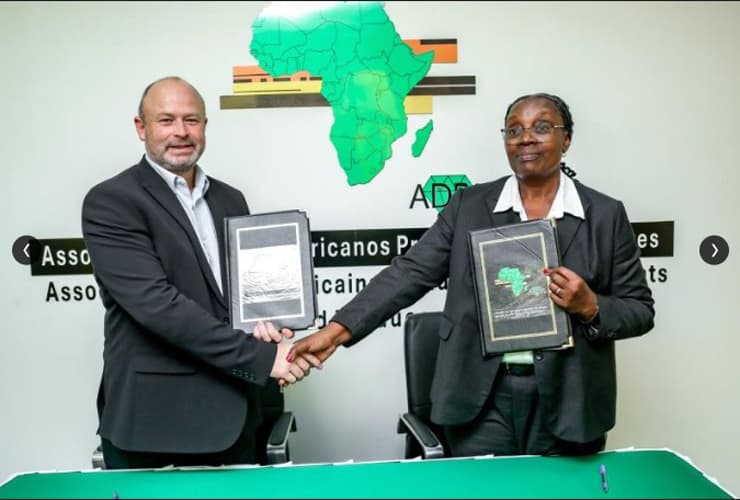
The African Diamond Producers Association and the Harry Oppenheimer Diamond Training School signed a three-year memorandum of understanding in Luanda on June 29, 2026, tying the deal to curriculum development, workshops, seminars and research projects across Africa’s diamond sector. The agreement lands at a moment when producer countries are pressing harder to move beyond rough exports and build the technical skills that support sorting, cutting, polishing and downstream manufacturing.
ADPA, which represents Africa’s leading diamond-producing nations, has 22 member states, including 15 effective members and seven observers. Its broader remit reaches well beyond policy coordination: the Kimberley Process describes ADPA’s role as cooperation on prospecting, mining, production, cutting and polishing, along with human-resource development and technology acquisition in the diamondiferous sector. In practice, that makes training a strategic asset, not a side project. Curriculum design and research can determine whether a country exports stones quickly or keeps more of the work, and the margin, closer to home.
The Harry Oppenheimer Diamond Training School brings a long institutional history to the partnership. The school says it was founded in 1990 and later renamed on August 5, 1997, when it was opened by Harry Oppenheimer and then Minister of Minerals and Energy Penual Maduna. It says its work centers on diamond manufacturing, evaluation and grading, the practical disciplines that shape how a parcel of stones is assessed, sorted and prepared for the market.

That emphasis matters in a region where beneficiation has become a policy test. Separate reporting in June 2026 described Botswana’s push to deepen local skills and strengthen Gaborone as a regional center for diamond training, with local capacity linked directly to reducing reliance on rough diamond exports. A separate training partnership involving Stargems Diamond Training Institute and HODTS pointed in the same direction, suggesting that the education race is widening beyond one country and into a broader southern African effort to keep more of the value chain on the continent.
For ADPA, the pact also fits its language of sustainable development and its stated ambition to transform conflict diamonds into diamonds of peace and sustainable development. The measure of success will not be the signing itself, but whether the partnership produces certified graders, sharper sorting expertise, stronger local polishing benches and research that translates into commercial leverage for African producer countries.
This article was produced by Prism’s automated news system from verified source data, official records, and press releases, then run through automated quality and moderation checks before publishing. The system is built and supervised by the people who set the standards it runs under. Read our full AI policy.
Did this article answer your question?