Arnault warns on Middle East risk, doubles down on Tiffany growth
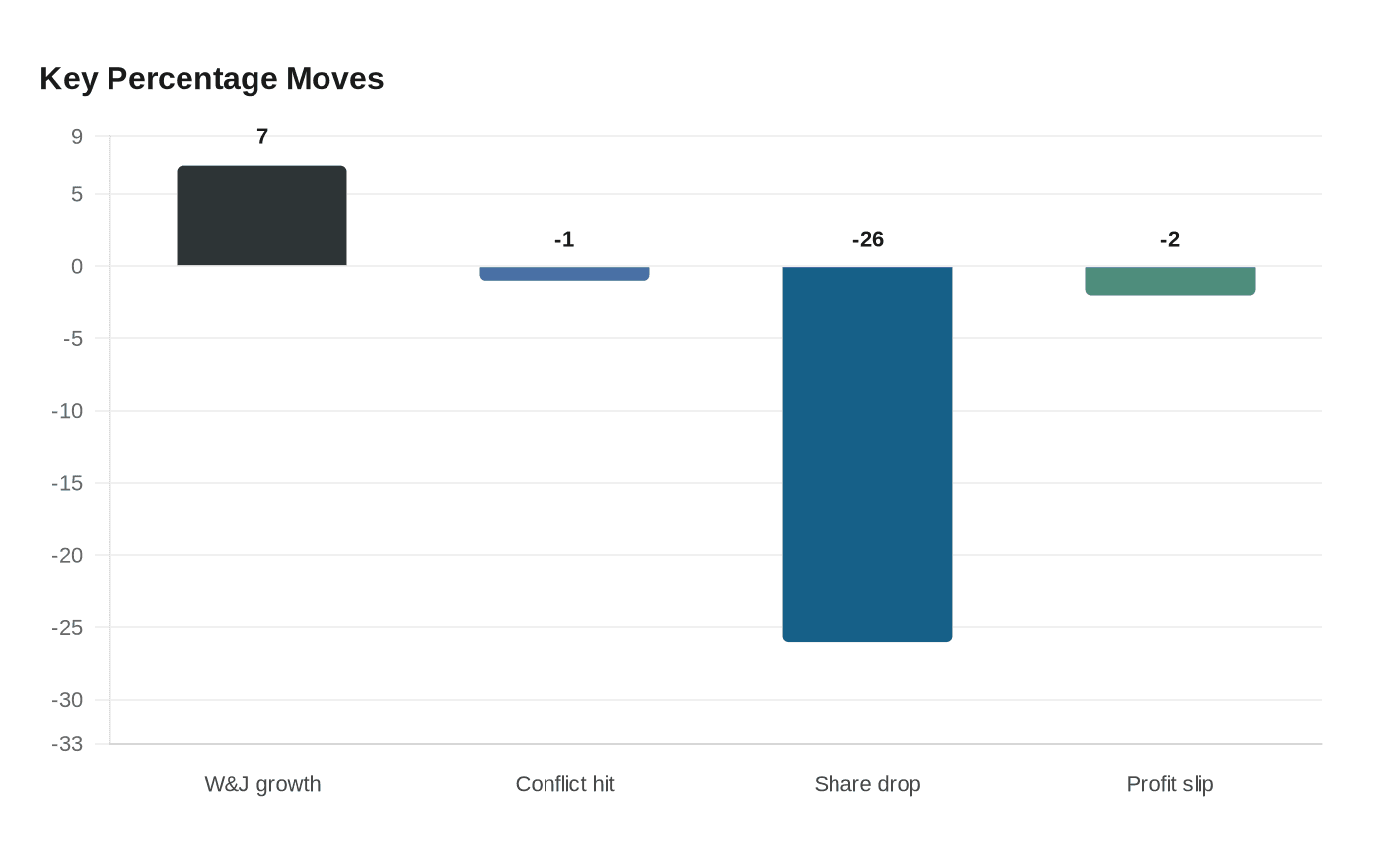
Arnault tied LVMH’s recovery to Middle East stability while Tiffany and Watches & Jewelry kept growing, with 7% organic growth in the quarter.
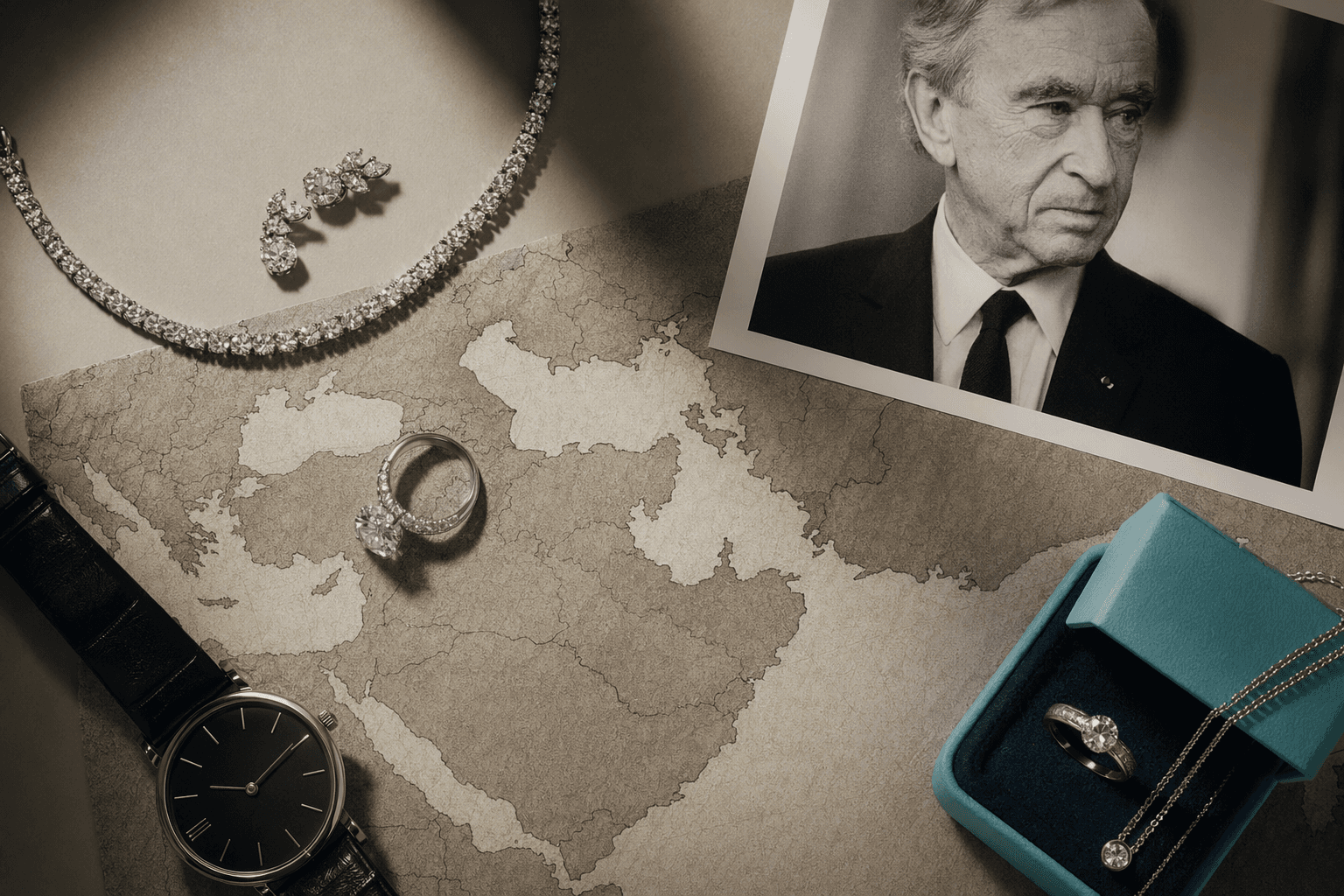
Bernard Arnault used LVMH’s annual meeting in Paris to make a blunt investment case: the luxury giant is still betting on jewelry, even as war risk in the Middle East threatens tourist flows, consumer confidence and near-term sales. At the Carrousel du Louvre on Thursday, April 23, LVMH said first-quarter revenue reached €19.1 billion, while Watches & Jewelry grew 7% organically, a sign that the company still sees the top end of the market as worth pushing harder.
Arnault said recovery hopes for LVMH hinge on how the Middle East crisis develops and warned that it could become a “global catastrophe” with very serious economic consequences if it worsens. LVMH said the conflict shaved about 1 percentage point off organic growth in the quarter, and that the turmoil also hit tourist flows to Europe, a reminder that luxury’s exposure is not limited to local demand. With Reuters reporting LVMH shares down 26% since the start of 2026 around the meeting, the market was clearly treating geopolitics as more than background noise.
Inside the jewelry division, the message was not retreat but concentration. LVMH’s portfolio includes Tiffany & Co., Bulgari, Chaumet, Repossi and Fred, but Tiffany is the brand the company wants to turn into a global leader. Arnault said, “We’re not far, but we’re not there yet,” after earlier company materials said Tiffany could become the world’s leading jewelry brand within five to 10 years if the current trajectory holds. That puts Tiffany in direct contest with Cartier, the Richemont-owned benchmark in high jewelry, and signals where LVMH believes its pricing power is strongest.
The numbers from 2025 show why the group keeps investing. Watches & Jewelry generated €10.48 billion in organic sales last year, up 3%, even as profit from recurring operations for the segment slipped 2% to €1.51 billion as LVMH poured money into store renovations and marketing. Tiffany has been central to that turnaround since LVMH bought the brand in 2021, with renovated stores, new high-jewelry collections and a clear move away from lower-end silver products in favor of higher-ticket pieces that can carry more margin and prestige.
The annual meeting also doubled as a succession moment. For the first time in LVMH’s history, all five of Arnault’s children were given the floor, pulling investor attention toward the company’s next chapter just as the family remains central to its control. For now, though, Arnault’s priorities were plain: defend the jewelry engine, keep Tiffany ascending, and weather a Middle East shock that could still reshape luxury travel, sales and confidence well beyond Paris.
This article was produced by Prism’s automated news system from verified source data, official records, and press releases, then run through automated quality and moderation checks before publishing. The system is built and supervised by the people who set the standards it runs under. Read our full AI policy.
Did this article answer your question?