Randi Molofsky sees spring shift to sculptural gold and vintage appeal
High gold prices are pushing spring jewelry toward weighty 18k silhouettes and antique-inspired diamonds, while lighter builds look increasingly like window dressing.

Gold is setting the spring mood
Randi Molofsky is reading the season through a simple, expensive fact: gold is not losing its appeal as prices climb, it is gaining symbolic power. That matters because a 2026 gold forecast has been lifted to a record $4,916 an ounce, and the metal was still trading around $4,543.92 on April 29 after a stretch in the mid-$4,000s to mid-$4,800s. At those levels, every decision a jeweler makes, from alloy to silhouette to stone count, becomes part design choice and part pricing strategy.
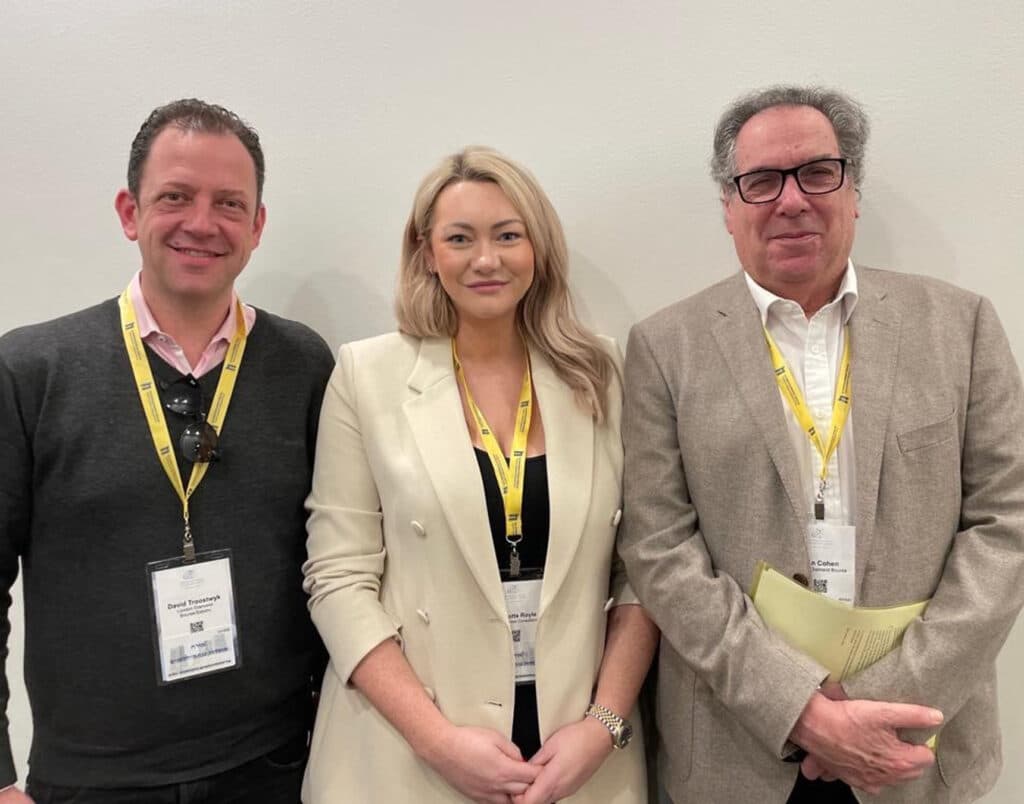
Molofsky sees that tension clearly. After presiding over a new permanent display for her unsigned vintage jewelry brand at Bergdorf Goodman in New York, she flew to the West Coast for Jewelers Mutual’s Conversations retreat at The Ritz-Carlton, Half Moon Bay, where the third edition centered on artificial intelligence and the future of the jewelry business. The juxtaposition says a lot about the moment: one foot in heirloom craft, the other in a fast-moving technological conversation, with gold in the middle as both raw material and retail message.
Why heavier gold is winning over lighter tricks
The most revealing shift Molofsky describes is not a retreat from gold but a renewed appetite for it. She says consumers want gold more than ever, and she frames the price volatility as an “education moment” for buyers. That is the right phrase for a market in which shoppers are being forced to ask what they are really paying for: weight, workmanship, karatage, or just a pretty surface.
For many of the brands she works with, the answer has been to stay committed to 18k gold rather than hollowing out pieces or making them visibly lighter. That choice is telling. Eighteen-karat gold carries a rich, saturated color and enough precious-metal content to feel substantial, which makes it easier to justify in a high-price environment than flimsy pieces that may look clever but rarely feel collectible. The retailer-friendly shortcut is obvious: trim the gold, keep the markup. The smarter long-term play is less obvious and more persuasive: make the object worthy of the price.
The spring look that should last, and the one that may not
Spring 2026 is bringing sculptural, oversized gold jewelry to the front of the case, and that direction feels bigger than a fleeting styling note. These are pieces with volume and presence, often designed to read almost like small architecture, and they do not need gemstones to make their point. Molofsky is also seeing gold-only designs, with no diamonds or colored stones at all, which suggests a market comfortable enough with the metal’s value to let form do the work.
That is the trend with staying power. Weighty, sculptural gold pieces can move from season to season because they are not dependent on a particular color story or red-carpet look. By contrast, the more obvious response to rising gold costs, making jewelry thinner, lighter, or structurally hollow, feels less like design leadership and more like margin protection. The consumer may not always know the difference at first glance, but they will feel it on the wrist, at the neck, and eventually at resale.
Diamonds benefit when the setting stops shouting
This is where diamond jewelry becomes especially interesting. When gold becomes more expensive, the balance of value can shift toward pieces where the stone, cut, or craftsmanship carries more of the visual load. A clean diamond ring in a well-considered setting can feel smarter than a heavily metalized piece that is expensive mainly because it is dense. In other words, the market starts rewarding restraint.
That is one reason vintage-inspired designs are gaining traction alongside the gold story. Antique and old-mine-style diamonds offer character that newer, more generic cuts sometimes lack, and they give shoppers a sense of individuality without relying on excess metal. Taylor Swift’s antique-style engagement ring has only amplified that appetite, putting antique diamond cuts back into the cultural conversation and nudging buyers toward shapes that look storied rather than simply large.
Vintage is not a nostalgia play, it is a value play
Vintage has momentum for reasons that go beyond romance. JCK has pointed to 2026 as a breakout year for antique and vintage jewelry, citing nearly 7,000 attendees at NYCJAOS’s November show and the launch of a January edition scheduled for Jan. 23-25 at the New York Hilton Midtown. Those numbers suggest a category with real trade energy, not just editorial appeal.
For shoppers, the appeal is straightforward: “new to you” pieces often carry distinctive workmanship, stronger character, and a more efficient use of materials than freshly made jewelry at today’s metal prices. For retailers, vintage also solves a merchandising problem. It offers depth, provenance, and scarcity without requiring a new run of expensive metal-heavy inventory. In a season shaped by inflationary pressure on gold, that makes antique and estate pieces feel less like a specialty side table and more like a strategic center of the floor.
What smart buying looks like now
The best spring jewelry purchases are the ones that understand the market instead of resisting it. That means looking closely at how much of the price is tied to metal, how much to design, and how much to the story the piece tells. A sculptural 18k gold bracelet can be worth the premium if the form is bold enough to stand on its own. A diamond ring in an antique-inspired setting can also feel more substantial than its carat weight suggests because the proportions, cut, and setting do the expressive work.
- Favor 18k gold when you want richness, weight, and lasting presence.
- Pay attention to pieces that use shape and surface, not just size, to justify their cost.
- Look for antique or vintage references when you want character without metal bloat.
- Treat hollowed-out construction with skepticism unless the design clearly earns it.
The spring message is not that gold has become too expensive to love. It is that high gold costs are forcing the industry to be more honest about what jewelry is actually selling: not just material, but form, provenance, and the pleasure of wearing something that feels considered. In that environment, sculptural gold and vintage diamonds are not opposites. They are the season’s most persuasive answers to the same question: what still feels worth it when the metal itself is doing the talking?
This article was produced by Prism’s automated news system from verified source data, official records, and press releases, then run through automated quality and moderation checks before publishing. The system is built and supervised by the people who set the standards it runs under. Read our full AI policy.
Did this article answer your question?