Botswana pushes destination diamonds as De Beers ownership talks advance
Botswana used JCK Las Vegas to sell origin as value, while De Beers ownership talks raised the stakes for supply, leverage, and the retail story.
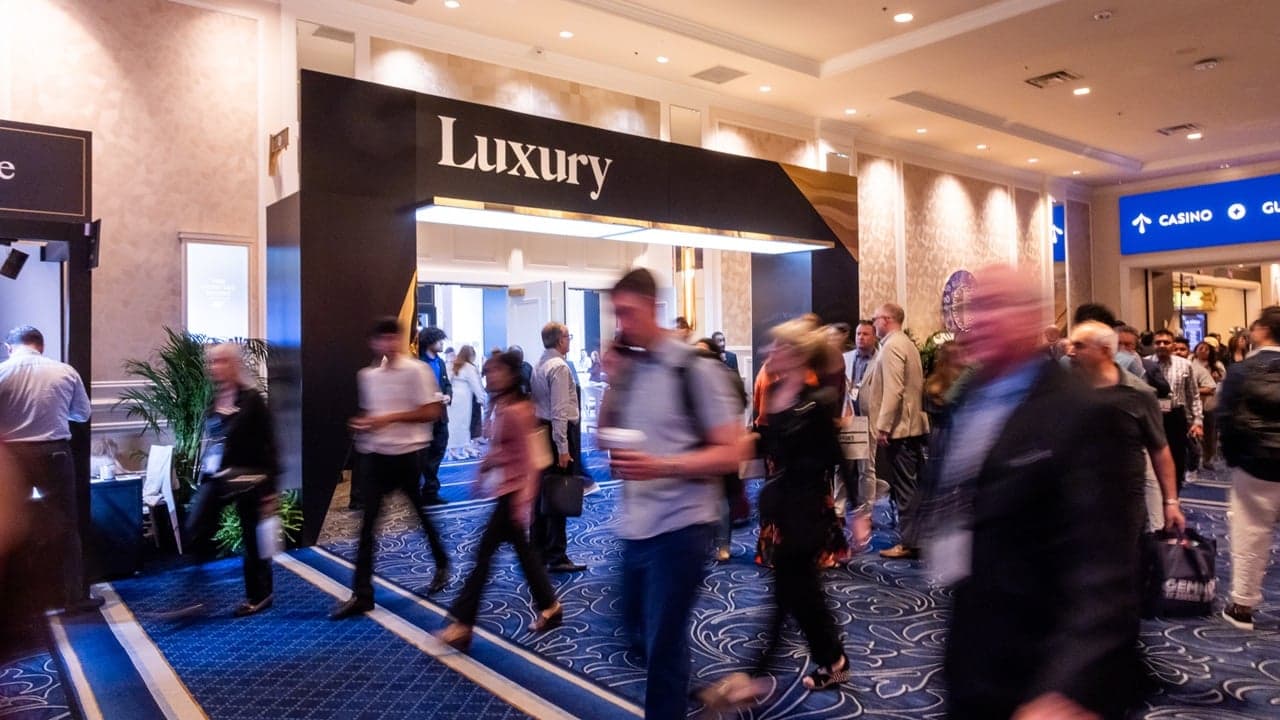
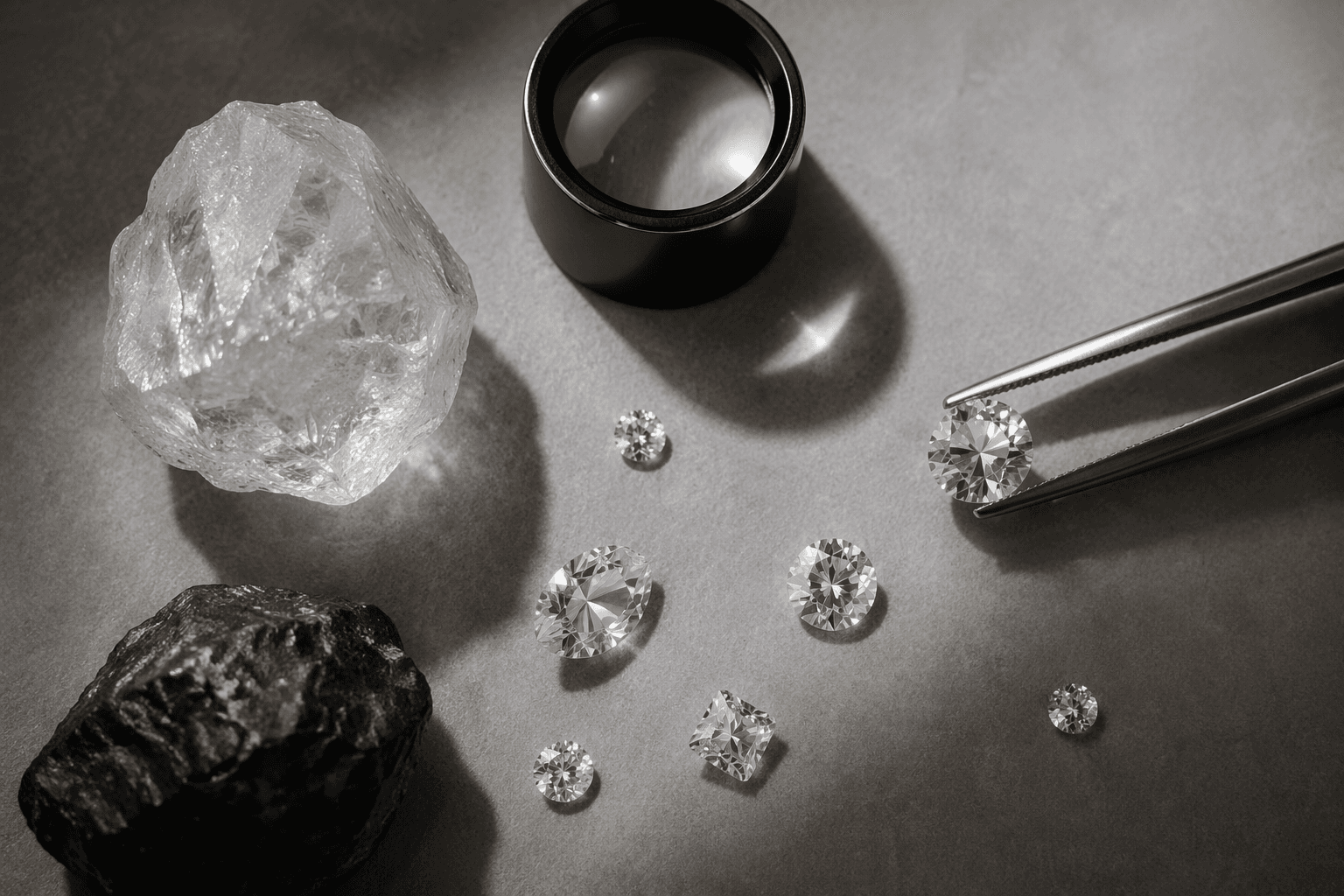
Botswana brought a sharper pitch to JCK Las Vegas: natural diamonds from its mines were not just rough stones, but destination diamonds, pieces whose value could rise with provenance, tourism and national development stitched into the sale. Bogolo Joy Kenewendo, Botswana’s minerals minister, used the stage to argue that origin could become more than branding. It could become a pricing strategy.
That argument landed because Botswana’s dependence on diamonds remains severe. IMF-linked analysis puts diamonds at around 80% of exports, roughly one-third of fiscal revenue and about one-quarter of gross domestic product. The World Bank has also warned that the country faces structural pressure as consumers shift toward artificial diamonds, a trend that has squeezed the natural market and made every point of differentiation more valuable.
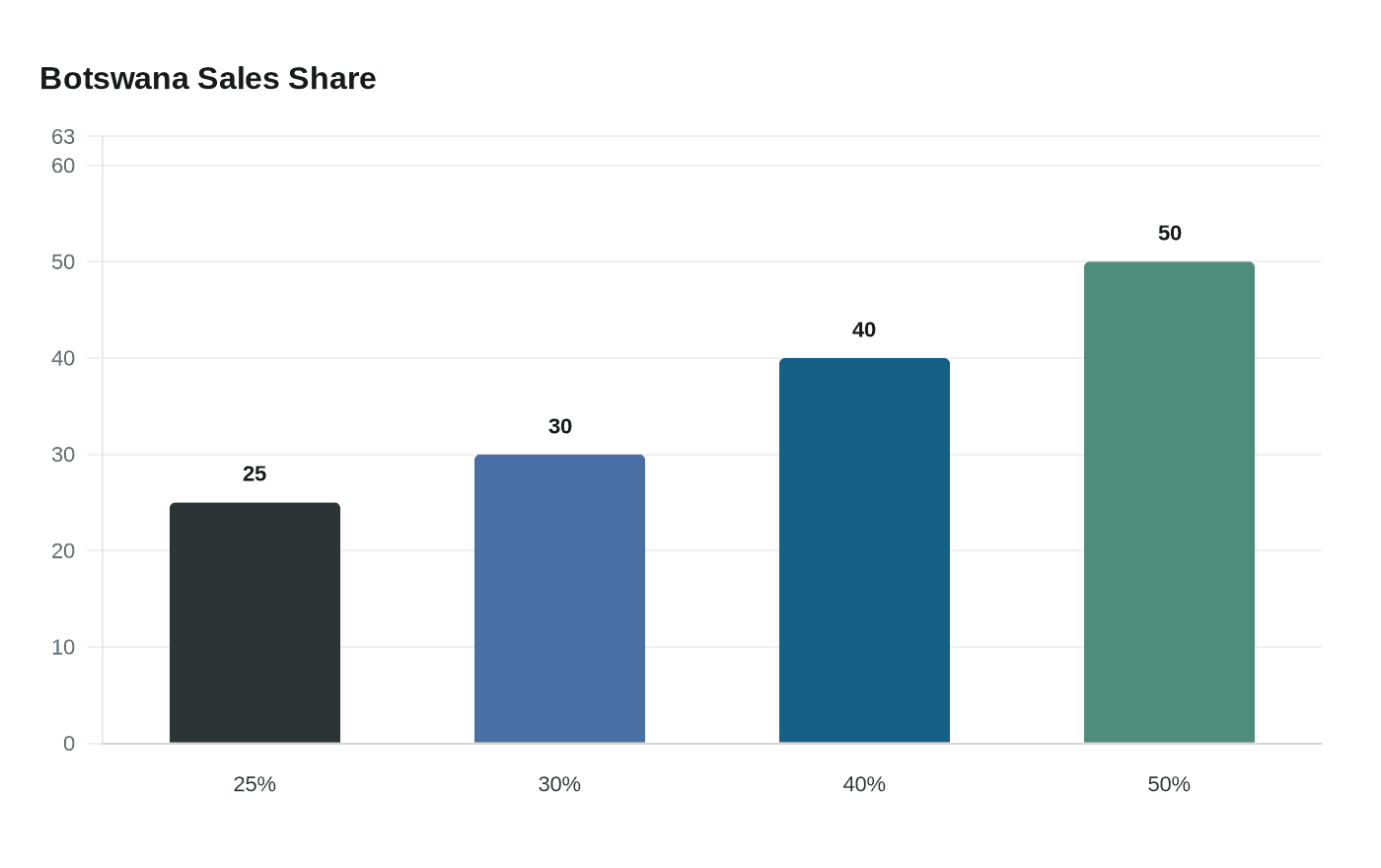
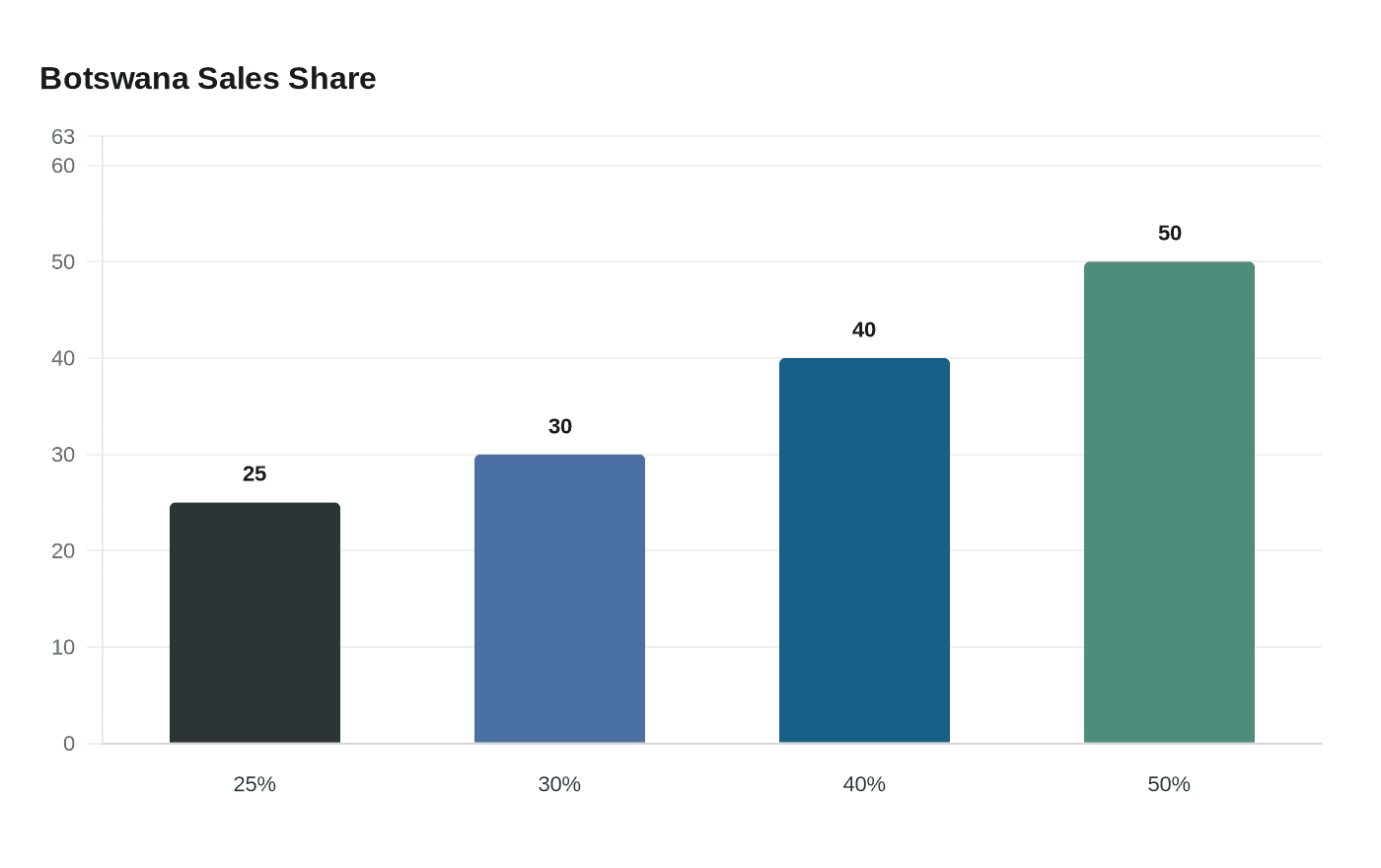
The government has already secured one lever. In February 2025, Botswana and De Beers concluded a new 10-year contract that extended Debswana’s mining licenses beyond 2029 and gradually increased Botswana’s direct sales share of Debswana production. The split was set to rise from 25% to 30% initially, then 40%, and eventually 50%, giving Gaborone a larger role in deciding how much rough enters the market and how much value stays closer to home. Kenewendo had earlier said the agreement would place particular emphasis on marketing Botswana’s diamonds as Botswana diamonds, and De Beers chief executive Al Cook said the country would have a greater say in that story.
The ownership question now hangs over that marketing push. In July 2025, Botswana’s President Duma Boko was reported to be seeking a controlling stake in De Beers, with Botswana holding 15% and Anglo American 85% at the time. Kenewendo said money was “not an issue,” a line that signaled how central De Beers had become to Botswana’s long-term leverage over its own mineral wealth. By February 2026, Anglo American chief executive Duncan Wanblad said the De Beers sale process was “relatively far advanced,” keeping the industry focused on who might inherit the company and what that would mean for Botswana’s negotiating power.
For jewelers, the stakes are practical as well as political. A new owner would help determine how much Botswana can press provenance as a selling point, how much supply access it can secure, and whether the retail narrative around a natural diamond can lean on country story as firmly as cut, color and clarity. Botswana is no longer presenting its stones as anonymous luxury goods. It is trying to turn origin itself into value, and the outcome of the De Beers sale may decide how far that idea can travel.
This article was produced by Prism’s automated news system from verified source data, official records, and press releases, then run through automated quality and moderation checks before publishing. The system is built and supervised by the people who set the standards it runs under. Read our full AI policy.
Know something we missed? Have a correction or additional information?
Submit a Tip