GJEPC joins Natural Diamond Council under Luanda Accord framework
India’s diamond trade has moved from polishing the world’s stones to helping fund how natural diamonds are sold, as GJEPC became the first industry group to join the NDC under the Luanda Accord.
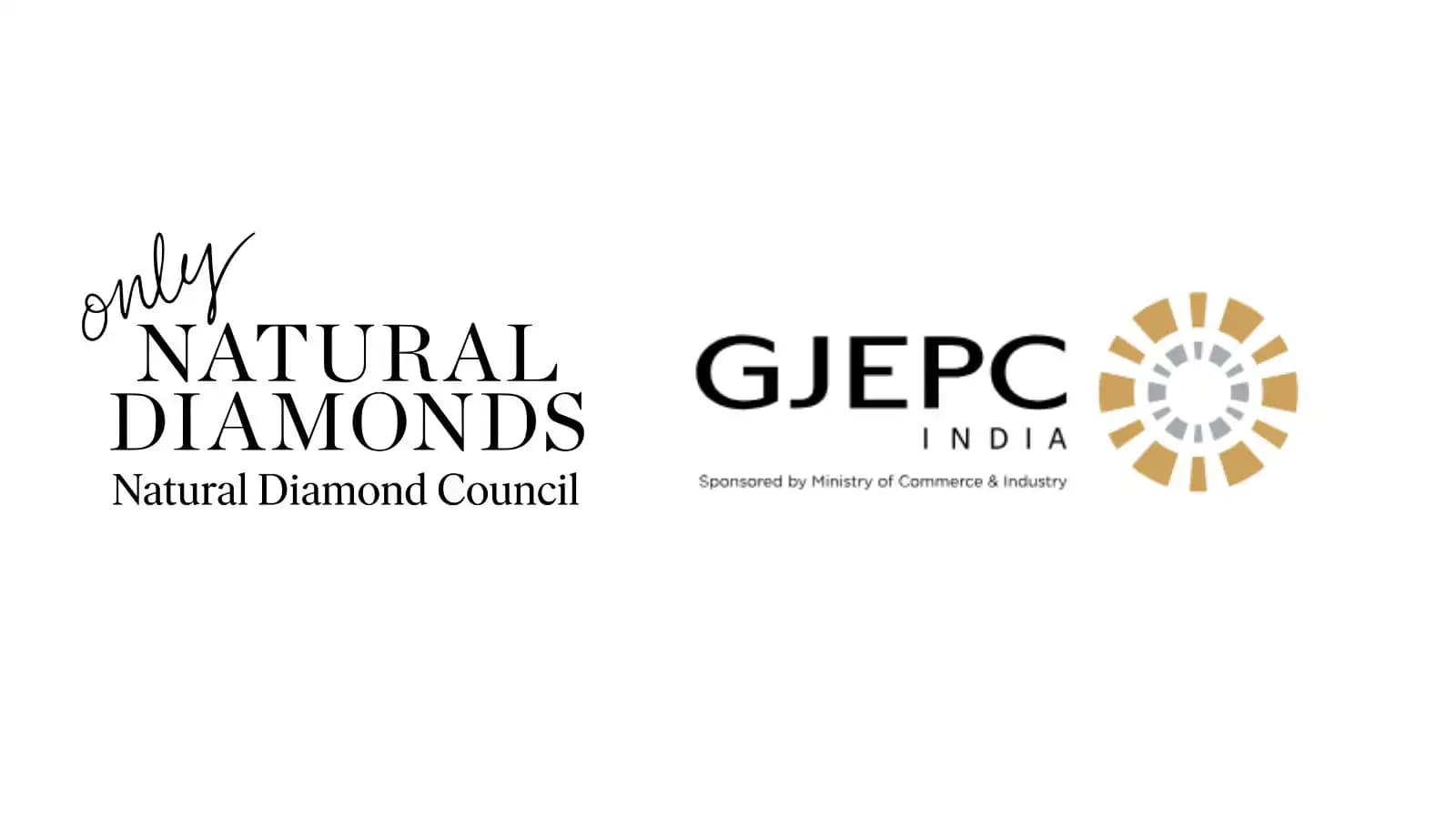
India’s diamond trade has moved from the factory floor to the marketing table. GJEPC became the first industry group to join the Natural Diamond Council under the Luanda Accord framework, giving the world’s biggest cutting-and-polishing center a direct role in how natural diamonds are defended and promoted.
The shift matters because the Luanda Accord was built around money as much as messaging. Signed in Luanda on June 18, 2025, it committed participating producer governments and De Beers to channel 1% of annual rough-diamond revenues into global marketing through the NDC, a structure designed to create sustainable funding for a category under pressure from synthetics and a more fragmented retail conversation. GJEPC had already endorsed that pact last year, calling it a “fundamental shift” and saying a unified global marketing push was “no longer optional.”
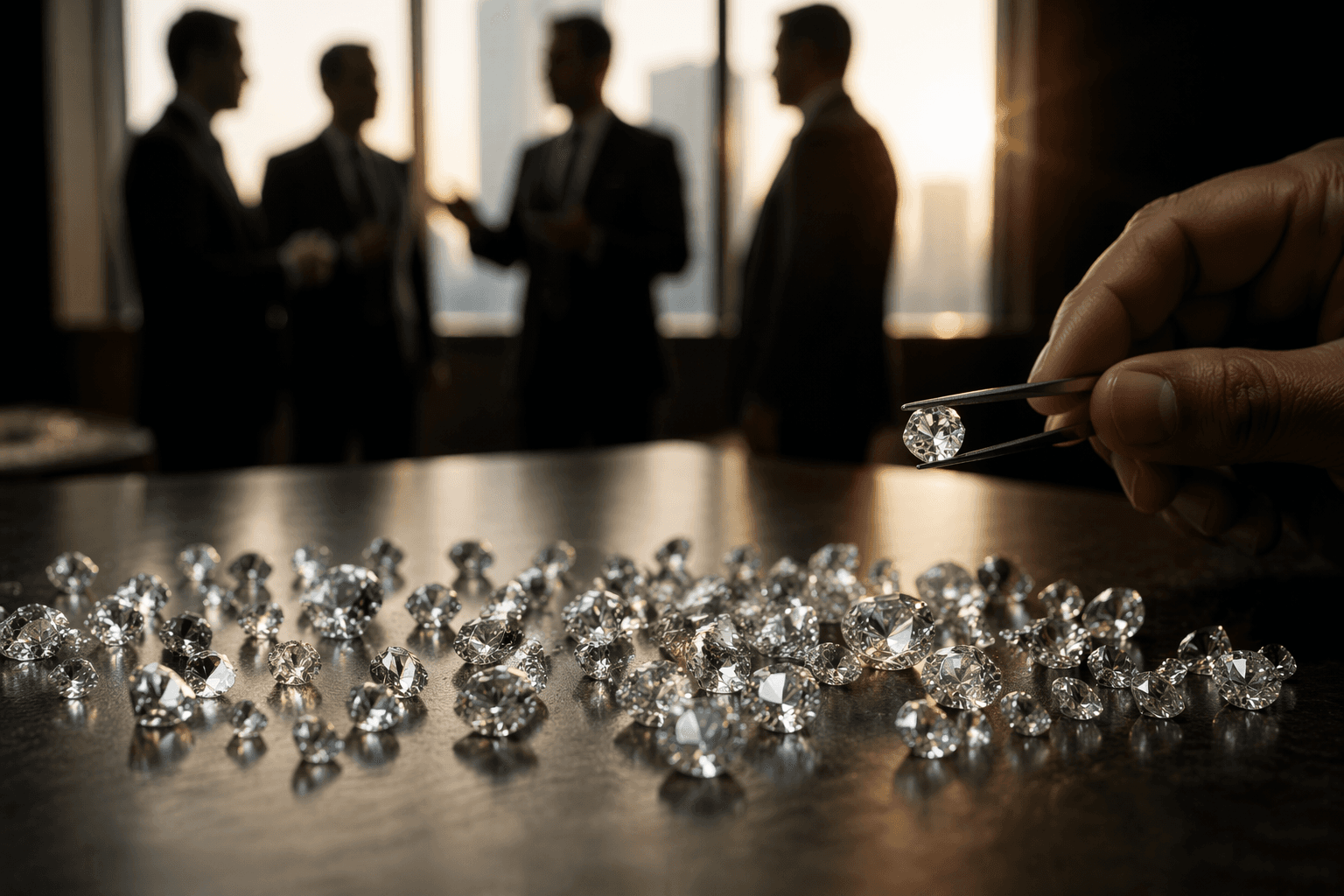
The council’s latest membership step was formalized after GJEPC and NDC chief executive Amber Pepper signed a memorandum of understanding on February 9, 2026, at the African Mining Indaba in Cape Town. GJEPC said the agreement cleared the way for membership from May 1, 2026, and vice chairman Shaunak Parikh said India sits “at the heart of the global natural diamond value chain,” a chain that spans cutting and polishing as well as a fast-growing domestic consumer market. That positioning gives GJEPC unusual leverage: India cuts and polishes an estimated 90% of the world’s diamonds by volume, mostly in Surat, Gujarat, so any coordinated campaign for natural diamonds will run through Indian expertise and Indian manufacturing scale.
The practical implication is bigger than a line on an association roster. With GJEPC inside the NDC, the natural-diamond message can be reinforced by the industry that handles most of the world’s stones, not just by miners and brands at the far ends of the pipeline. The original Luanda signatories named by GJEPC included Angola, Botswana, South Africa, Namibia, the Democratic Republic of Congo, De Beers, the Antwerp World Diamond Centre and Dubai Multi Commodities Centre, and Namibia later joined as the accord widened. What emerges now is a more organized competitive front, one that pairs revenue-backed marketing with a louder claim on rarity, authenticity and the economic value of natural diamonds.
This article was produced by Prism’s automated news system from verified source data, official records, and press releases, then run through automated quality and moderation checks before publishing. The system is built and supervised by the people who set the standards it runs under. Read our full AI policy.
Know something we missed? Have a correction or additional information?
Submit a Tip