Burgundy Diamond Mines seeks protection for Ekati as prices plunge
Ekati’s court protection shows how fast natural-diamond economics have turned: its average price per carat sank from $92 to $24 in under a year.
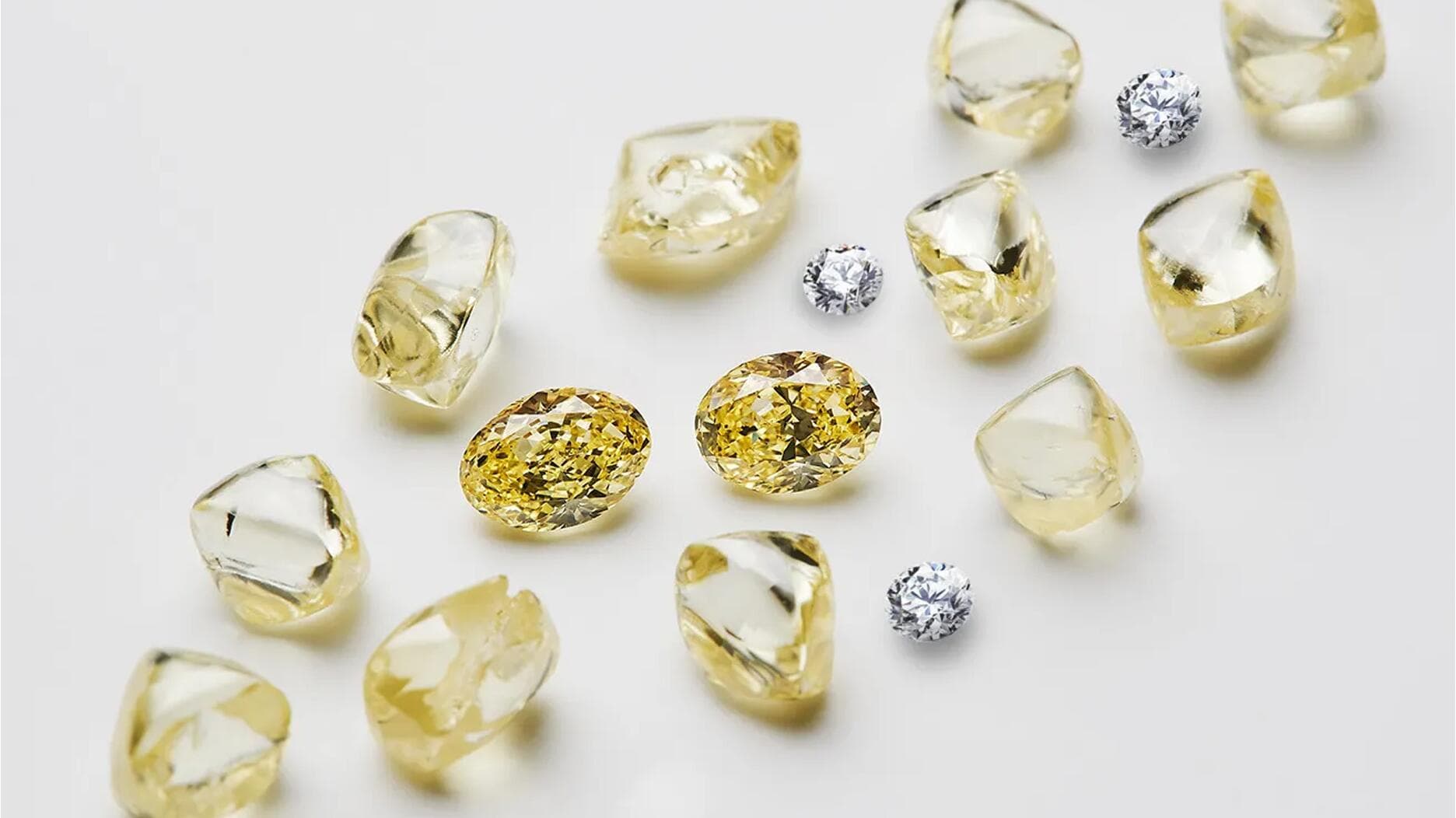
Ekati, Canada’s first surface and underground diamond mine, is now under court protection as Burgundy Diamond Mines confronts a brutal reset in the natural-diamond market. The company’s Arctic Canadian subsidiary sought insolvency protection for the Lac de Gras operation after prices weakened, lab-grown diamonds took more ground, China demand stayed soft and tariffs added fresh pressure to an already strained business.
The most damaging number is the one that captures the speed of the collapse: Ekati’s average price per carat fell from US$92 at the end of 2024 to US$24 by December 2025. Burgundy said the filing was driven by the ongoing impact of U.S. tariffs on the natural diamond industry, sustained weak demand across the global rough-diamond market and rising costs, including higher fuel prices tied to conflict in the Middle East. The Supreme Court of British Columbia granted an initial order, giving the company temporary protection while it works with lenders, creditors and other stakeholders.
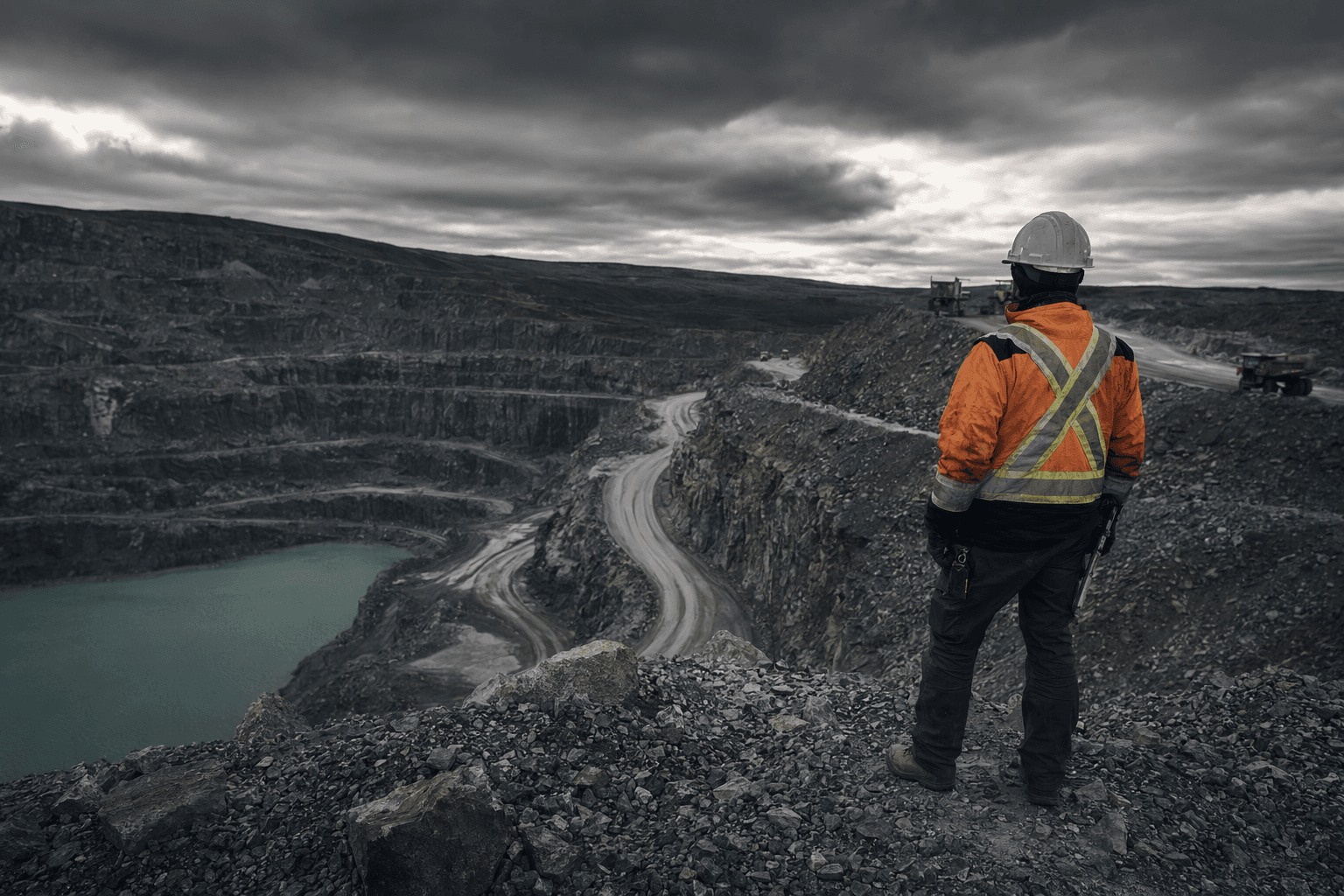
The protection extends to Burgundy as a non-applicant stay party, and Ekati is expected to keep operating for now. But the filing lands months after Burgundy secured federal loans worth up to C$175 million to keep the mine running, underscoring how quickly the cash burn has accelerated. In July 2025, the company suspended Point Lake open-pit operations and laid off several hundred workers, a warning that the mine’s troubles were no longer theoretical.
Ekati sits about 300 kilometers northeast of Yellowknife in the Northwest Territories, a remote asset with outsized importance to Canada’s diamond identity and to the local economy around it. The mine began official production in October 1998 and has now produced 100 million carats over 26 years, a milestone that speaks to its scale even as its economics have deteriorated. Court filings and local reporting said Ekati had about 700 employees in 2024, including about 28% northern residents and about 60% Indigenous workers among those northern residents. By March 31, 2026, that workforce had fallen to roughly 340.
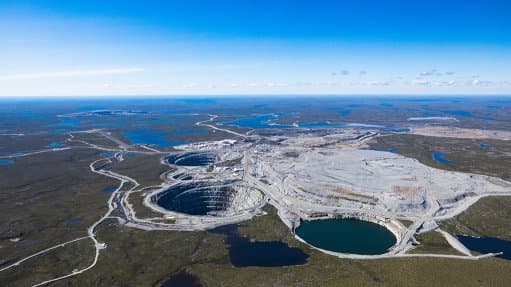
For the natural-diamond trade, Ekati’s uncertainty is not just an Arctic corporate drama. Rio Tinto’s nearby mine ended production in March 2026, and another major operation owned by De Beers and Mountain Province is approaching end of life in the coming years. With fewer Canadian stones moving through the pipeline, supply could tighten, but Burgundy’s filing makes clear that scarcity alone is no guarantee of pricing power. In a market where lab-grown alternatives are pressuring natural stones from below and China demand remains soft, the investment case for natural diamonds now rests on discipline, not nostalgia.
This article was produced by Prism’s automated news system from verified source data, official records, and press releases, then run through automated quality and moderation checks before publishing. The system is built and supervised by the people who set the standards it runs under. Read our full AI policy.
Did this article answer your question?