Lab-Grown Diamonds Shift Toward Higher Colors, Clarity, and Cut
Lab-grown diamonds are no longer selling on size alone; the new pitch is color, clarity, and cut.
Higher grades, not just bigger stones
The bargain is no longer just about carat weight. Lower wholesale prices have pushed lab-grown diamonds up the quality ladder, and the trade is now chasing D-color, flawless clarity, and sharper cut standards instead of flooding the market with oversized stones. Viral Mehta of Grown Diamond Corp. says demand has shifted toward higher colors and clarities, while lower-clarity material is fading out of wholesale lists; Edahn Golan says he has stopped carrying SIs because there is so little transaction data left. Mehta also says some stones on the market still carry reports from lenient labs.
That shift matters because it changes what a buyer is actually paying for. A fixed budget goes further than it did a few years ago, but not in a way that guarantees lasting value. The same money can now buy a more colorless, cleaner-looking lab-grown diamond, yet that does not make the stone scarce in the way a fine natural diamond can be scarce. In practical terms, better specs may preserve desirability and make the ring easier to resell than a sloppier stone, but they do not erase the basic depreciation story that has come with falling lab-grown prices.
What “premium” really means
The clearest sign that the category is maturing, and being narrowed, is GIA’s new lab-grown service. GIA now classifies colorless to near-colorless laboratory-grown diamonds as either “Premium” or “Standard,” rather than using the same style of natural-diamond grading language. To earn Premium, a stone must be VVS clarity or higher, D color, Excellent polish, Excellent symmetry, and, for rounds, an Excellent cut grade. Standard allows a wider band, including VS clarity and E-to-J color, with lower finish and cut thresholds. Anything below the minimum for Standard gets no GIA assessment at all.
That is a meaningful consumer signal, because it tells you how narrow the top end has become. It also explains why “premium” has become such a tempting marketing word: a retailer can imply elite quality even when the stone is simply acceptable by a lab’s minimum standard. If a seller uses premium language but does not name the grading house, the report number, and the exact criteria, treat the claim as sales copy, not proof.
Cut is becoming the real differentiator
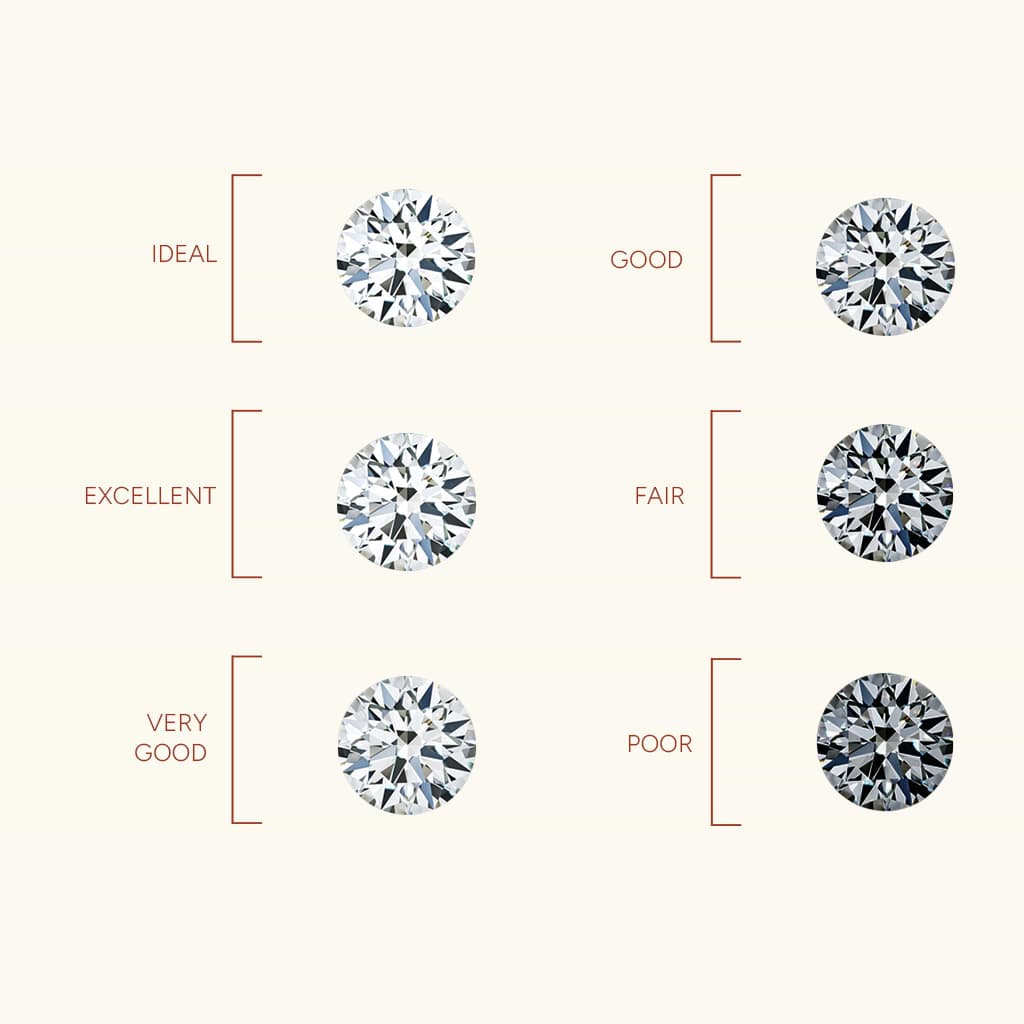
As color and clarity get pushed upward, cut becomes the place where brands try to separate one lab-grown diamond from another. Grown Diamond Corp. has already introduced a D-Flawless GCAL 8X Collection, and GCAL says its 8X system evaluates eight dimensions of cut quality, from polish and proportions to light performance and optical symmetry. GCAL also says that although more than half of round brilliants receive an Excellent cut grade, fewer than 1 percent qualify as 8X. That gap is exactly where a new premium pitch can take root.
For shoppers, this is where the investment conversation gets tricky. A stronger cut can absolutely make a lab-grown stone look more alive, brighter, and more precisely made. But a more exacting cut grade does not create rarity by itself, and rarity is what supports long-term value in the diamond world. So the better question is not whether the stone is “premium,” but whether the premium is being earned through measurable proportions and optical performance, or merely attached as a label.
How to verify the quality claim before you buy
The paperwork has to be as disciplined as the stone. GIA laser-inscribes its lab-grown diamonds with the term “Laboratory-Grown” and the assessment number, and its Report Check tool lets you confirm that a report matches the database record. IGI offers a separate online verification tool as well, but IGI is also explicit that its reports are opinions, not guarantees, and that grading can vary depending on when and how a stone was examined. That is the reality of a fast-moving category: certification matters, but only if you actually check it.
A careful buyer should ask for more than a grade sheet. The most useful checklist looks like this:
- The exact lab name, not just “certified”
- The report number, verified on the lab’s own site
- The growth method, CVD or HPHT
- Any post-growth treatment, especially for colored stones
- The laser inscription on the girdle, which should match the report
- The cut details, not just an “excellent” shorthand
That last point matters because lab-grown stones can be engineered toward perfection, but not all of them are engineered equally well. Mehta argues that CVD growth cannot reliably produce flawless stones because the process can create inclusions, while HPHT and CVD both now operate with far tighter quality assurance than they once did. The result is a market that is purging low-grade rough before it ever reaches the showcase, which sounds efficient, but also means the premium narrative is being built from stones that survive increasingly strict screening.
The bottom line for buyers
Lab-grown diamonds are moving upscale at the same time that they are becoming easier to buy. That combination is seductive: bigger stones, higher grades, better cut, and a lower price than a mined equivalent. Still, better specs do not magically turn a lab-grown diamond into a value-preservation asset. They make the stone more attractive, more precise, and easier to sell in a market that is increasingly picky, but the real protection comes from documentation, verification, and refusing to pay a premium for an unproven premium.
This article was produced by Prism’s automated news system from verified source data, official records, and press releases, then run through automated quality and moderation checks before publishing. The system is built and supervised by the people who set the standards it runs under. Read our full AI policy.
Did this article answer your question?