Pandora adds carbon-footprint labels to lab-grown diamonds after sales drop
Pandora is putting a carbon number next to its lab-grown diamonds, but the real test is whether shoppers care more about emissions than price and resale.
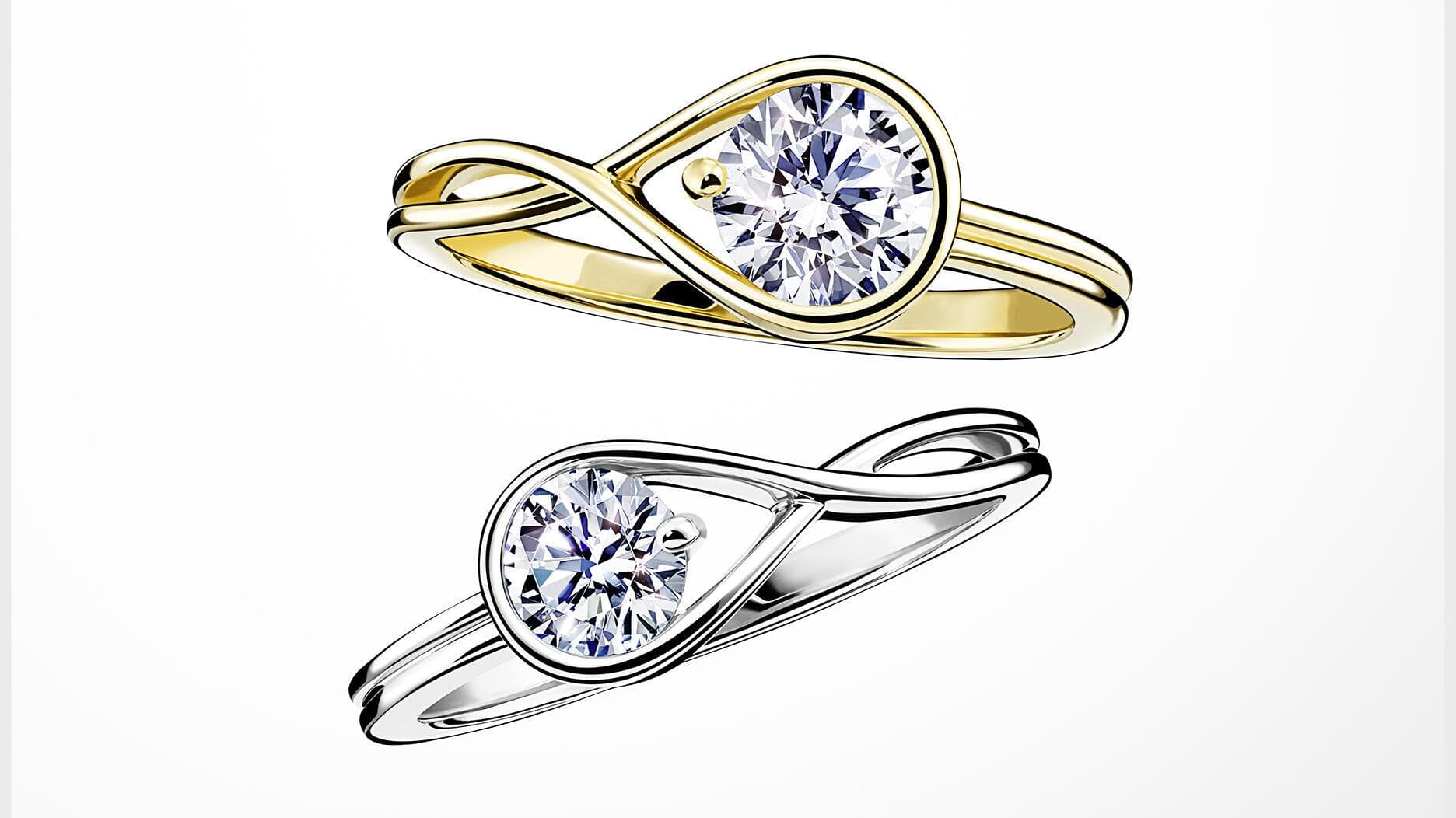
Pandora is trying to turn a sustainability claim into a shopping tool just as its lab-grown diamond business has lost momentum. After first-quarter results showed double-digit sales declines in lab-grown jewelry, the company said it will begin publishing carbon-footprint labels for every Pandora Lab-Grown Diamond, a move it is casting as the “5th C” alongside cut, colour, clarity and carat.
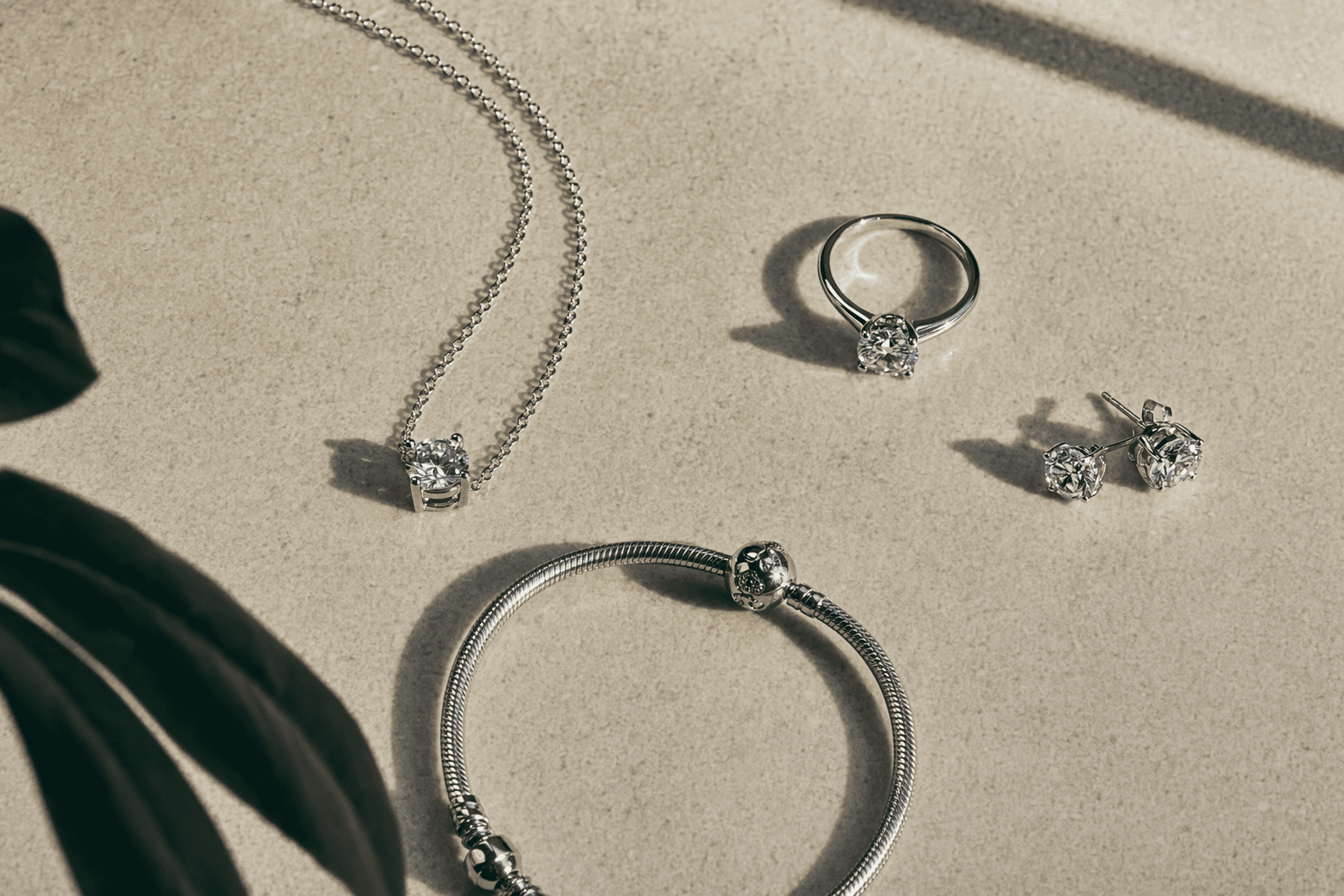
The number at the center of the pitch is specific: Pandora says a one-carat lab-grown diamond carries 12.58 kg of CO2e, about 90% less than a mined diamond of the same size. The company says the calculation covers emissions from producing the raw materials through cutting and polishing, and that the study was verified by EY. Pandora also says its lab-grown stones are chemically, optically, thermally and physically identical to mined diamonds, are grown using 100% renewable electricity, and are set in jewelry made with 100% recycled silver and gold.
This is more than a packaging tweak. Pandora is moving the label into its stores as well as onto pandora.net, which makes the metric part of the sales conversation rather than a buried detail. That matters because carbon data can be persuasive only if shoppers understand what is being measured and can compare it across brands. Pandora is offering one methodology, one footprint and one benchmark, but the broader diamond market still lacks a standard that would let consumers line up a lab-grown stone from one jeweler against another with confidence.
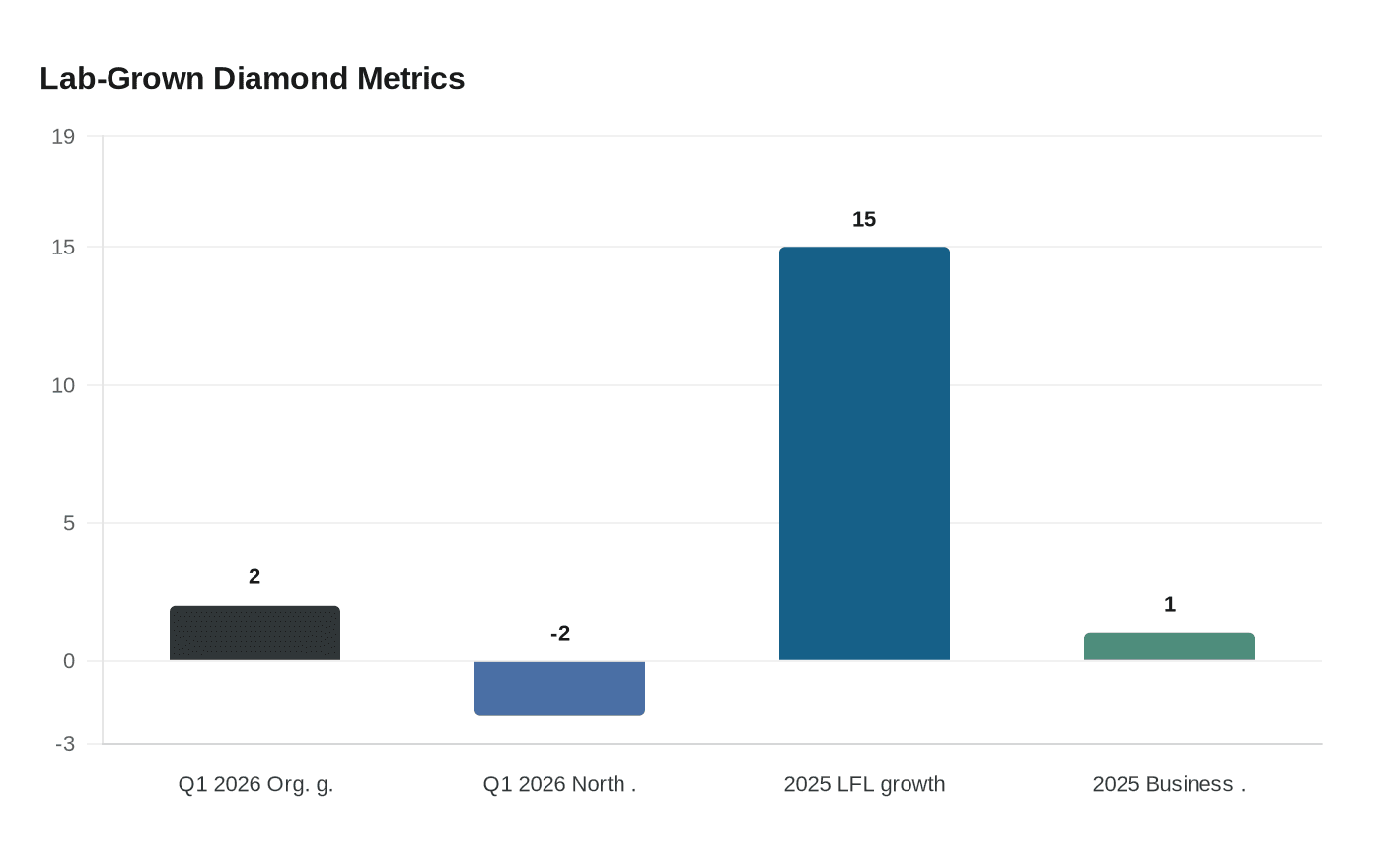
The timing is telling. Pandora reported 2% organic growth in the first quarter of 2026, with like-for-like sales flat and North America like-for-like sales down 2% as consumer sentiment softened, especially among mid- to lower-income shoppers. Full-year guidance stayed unchanged, but the label rollout arrives against a backdrop that makes every point of differentiation feel urgent.
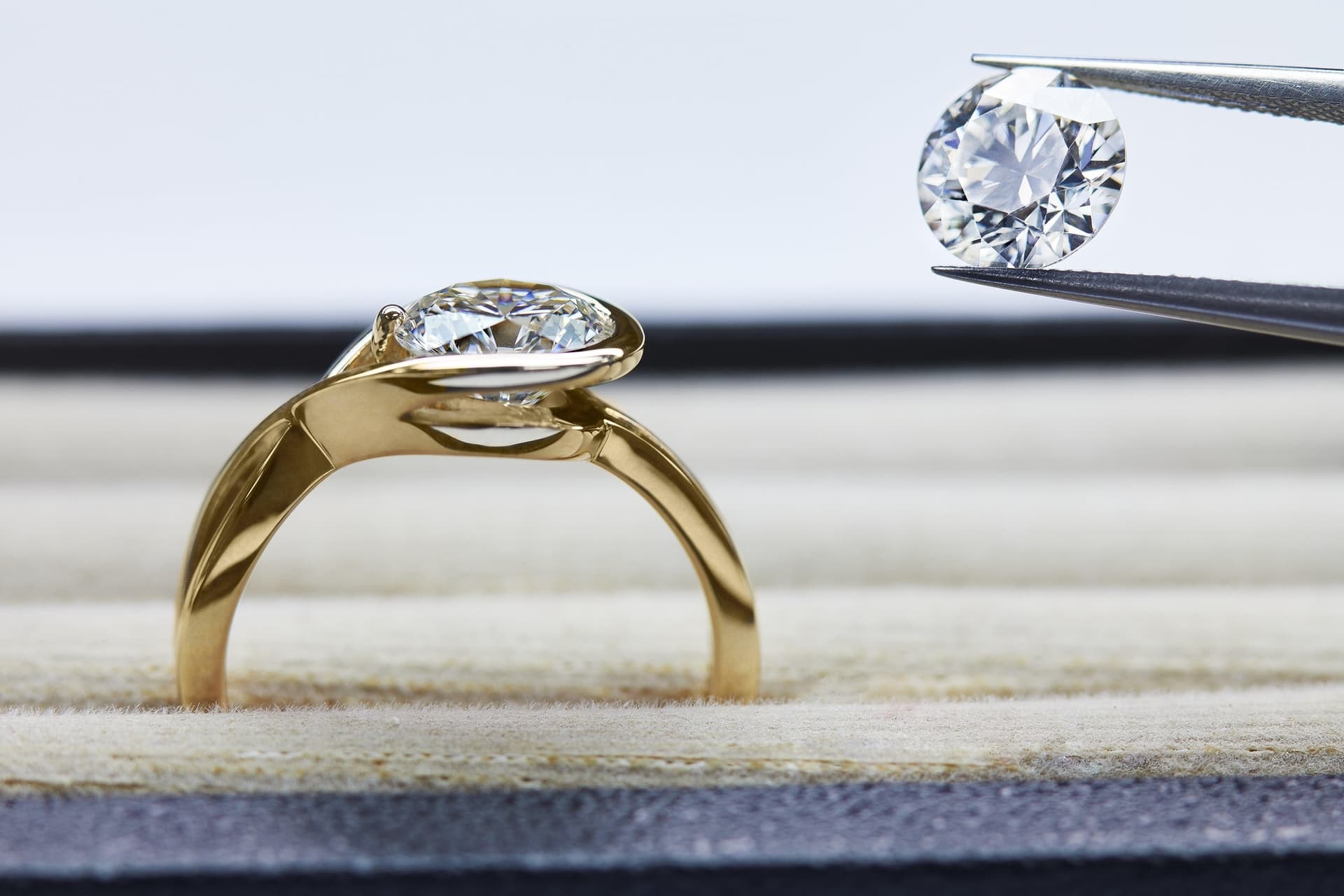
Pandora stopped using mined diamonds in 2021 and launched its first lab-created collection the same year. By 2025, lab-grown diamonds still accounted for only 1% of the business, generating 357 million Danish kroner across six markets, even after growing 15% like-for-like. The company had already acknowledged that the category expanded more slowly than planned because consumer awareness lagged in some markets, and that is the sharper question now: whether a carbon label can do what years of brand messaging could not.
Pandora is unveiling the move at the Global Fashion Summit in Copenhagen, which runs May 5 to 7, with chief marketing officer Jennie Farmer appearing alongside ambassador Pamela Anderson. The company wants the label to make lab-grown diamonds feel more transparent and more accessible, but the deeper test is whether sustainability data can overcome the market realities that usually decide the sale: price, perception and resale value.
This article was produced by Prism’s automated news system from verified source data, official records, and press releases, then run through automated quality and moderation checks before publishing. The system is built and supervised by the people who set the standards it runs under. Read our full AI policy.
Did this article answer your question?