Burgundy Diamond subsidiary seeks insolvency protection as rough demand weakens
Ekati’s owner sought court protection after nearly C$175 million in fresh support, raising questions about rough supply, margins and diamond prices.
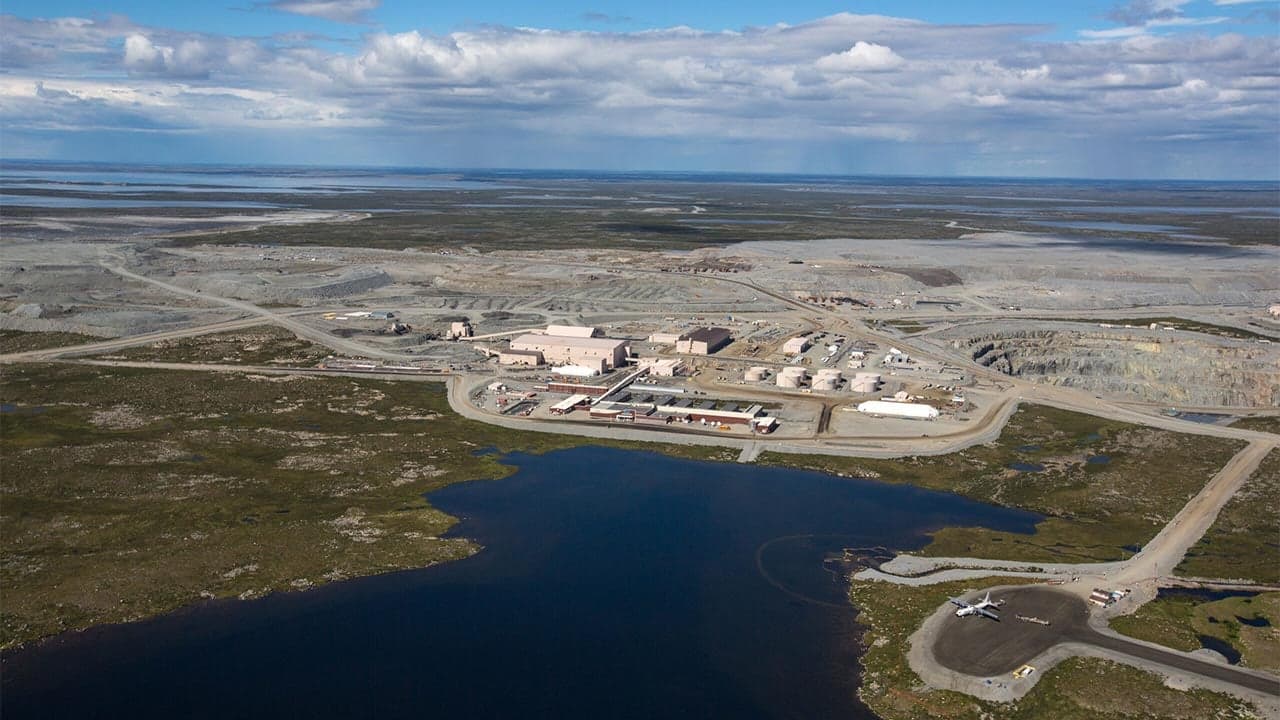
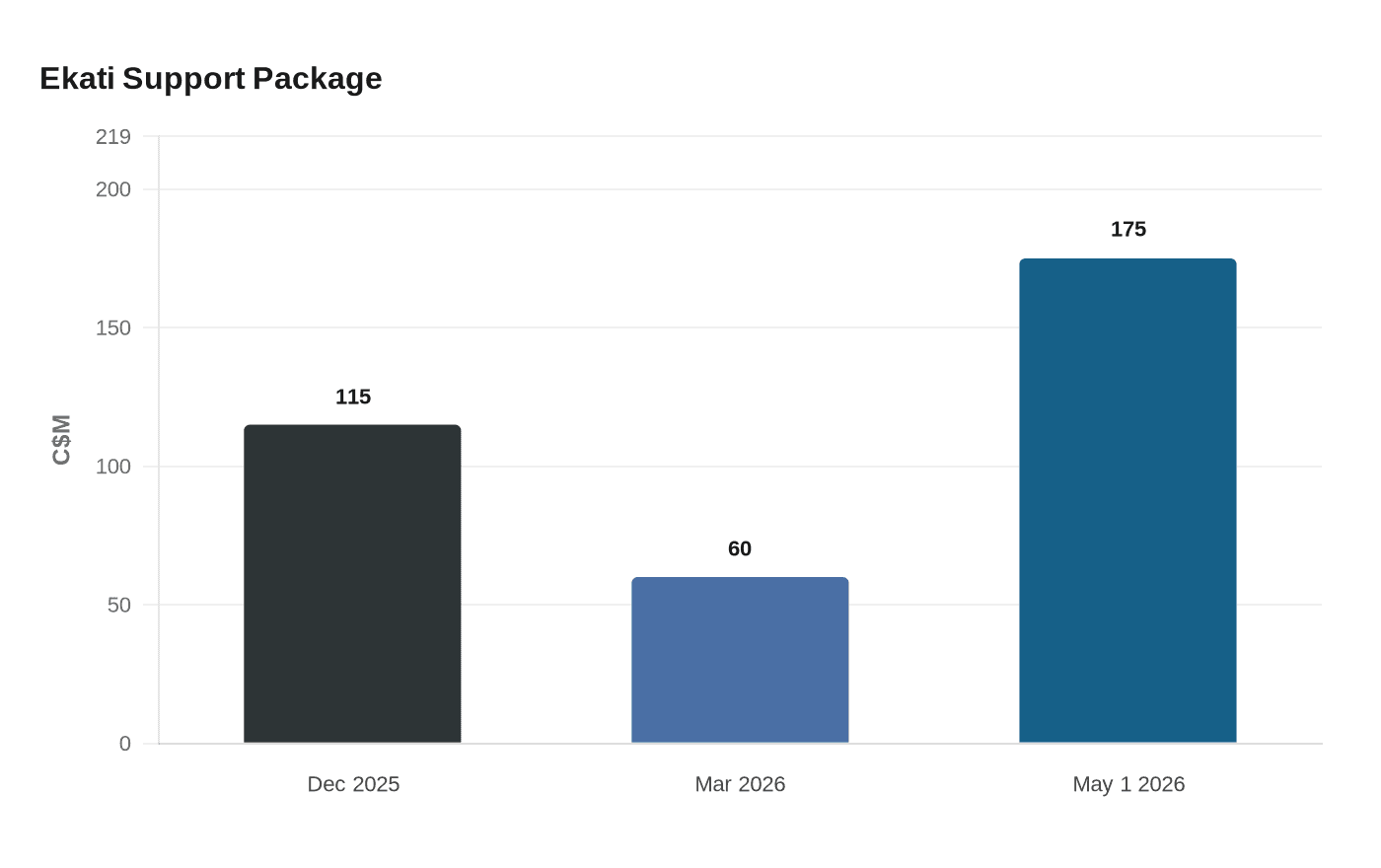
Ekati’s distress reaches far beyond one mine. Arctic Canadian Diamond Company Ltd., the Burgundy Diamond Mines subsidiary that owns and operates the Ekati Diamond Mine in Canada’s Northwest Territories, won initial protection under Canada’s Companies’ Creditors Arrangement Act from the Supreme Court of British Columbia on May 1, 2026, after already drawing on a federal support package that had climbed to as much as C$175 million.
That sequence matters for the diamond trade because Ekati is a significant rough supplier, not a finished-jewelry brand. When production is interrupted or financing tightens, the effect moves through the pipeline: fewer stones available for cutters and dealers, more pressure on rough prices, thinner margins for manufacturers, and eventually higher costs for bridal rings and investment-grade diamonds if supply remains constrained. Burgundy said the CCAA process was designed to let it work with lenders, creditors and other stakeholders on restructuring options while keeping the mine operating for now.
The filing came after months of strain. Burgundy had secured up to C$115 million in federal Large Enterprise Tariff Loan financing in December 2025, then announced in March 2026 that the facility had been expanded by up to C$60 million. Even so, the company still sought protection for Arctic Canadian Diamond Company Ltd. and Burgundy Diamonds (Canada) Limited, with notice sent to the Government of the Northwest Territories, Zurich Insurance Company Ltd., Aviva Insurance Company of Canada, Argonaut Insurance Company and the Canada Enterprise Emergency Funding Corporation.

The financial pressure reflects a rough market that has weakened well beyond one operator. Burgundy cited soft demand and higher operating costs, including U.S. tariffs and fuel costs linked to the Middle East conflict. Recent reporting has said diamond prices fell by more than 70 per cent within a year, a collapse that leaves miners with less room to absorb fixed costs and leaves buyers of polished stones facing a market still looking for a floor.
Ekati’s troubles also underline how fragile the Northwest Territories diamond economy has become. Burgundy halted open-pit mining at Point Lake in July 2025 and laid off hundreds of workers and contractors. The mine has also been reported to have fallen behind on payments to some contractors, while millions of dollars in promised payments to Indigenous communities have been put at risk.
The scale of what is at stake is hard to miss. Discovered in 1991 and officially opened in October 1998, Ekati was Canada’s first diamond mine and had produced more than 96 million carats through 2023. Yet the wider NWT sector is under similar pressure, with all three operating mines facing eventual closure timelines and territorial tax relief extended into 2026-27 to soften the blow. On May 4, 2026, GNWT minister Caitlin Cleveland said worker supports were available as officials reviewed the filing. The message to the diamond industry is stark: this is not just a company in court, but a supply chain under stress.
Know something we missed? Have a correction or additional information?
Submit a Tip