De Beers CEO says lab-grown bubble is bursting, warns on Canada mining
Al Cook’s bubble call landed as De Beers closed Lightbox, pushed Desert Diamonds, and warned Canada may be nearing the end of commercial diamond mining.
De Beers is pressing a two-track message: lab-grown diamond pricing is under strain, and natural-diamond supply may be tightening just as trade friction eases. In a Las Vegas breakfast interview, chief executive Al Cook said the lab-grown bubble was bursting, floated the possibility of zero tariffs on diamonds and warned that Canada could be approaching the end of commercial diamond mining.
That warning matters because the backdrop is not theoretical. De Beers had already said in May 2025 that it intended to close Lightbox, the lab-grown jewelry brand it launched in 2018 with a linear price of $800 per carat, and to keep synthetic-diamond production focused on industrial and technology uses through Element Six. With wholesale lab-grown prices continuing to fall in 2025, Cook’s argument has some market evidence behind it. But it is also strategic positioning: De Beers is retreating from lab-grown jewelry while defending the value of natural stones at exactly the moment shoppers are seeing the two categories diverge.
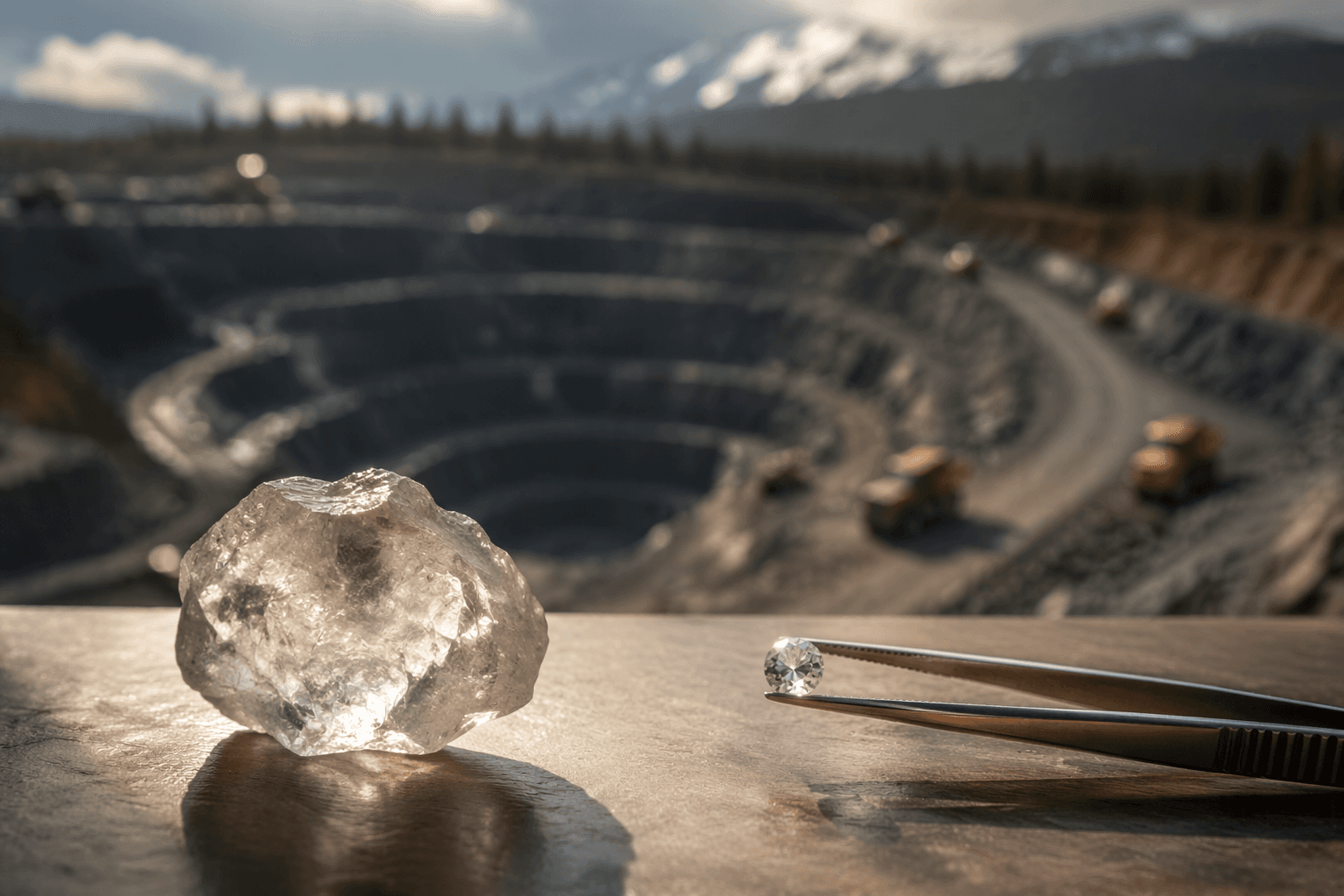
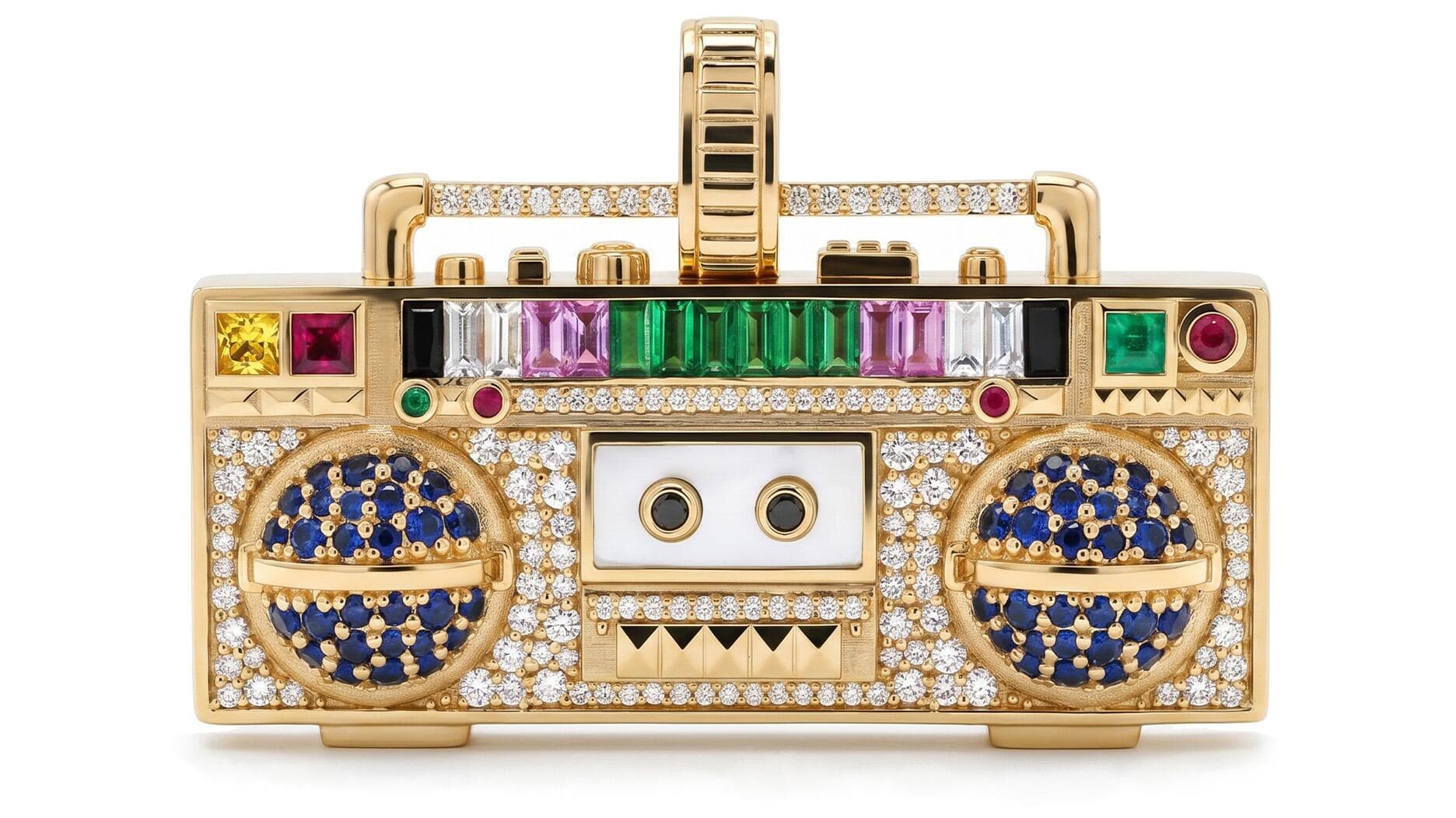
The company used JCK Las Vegas to sharpen that case. On May 29, 2026, De Beers introduced Desert Diamonds Icons and said the campaign was backed by the diamond industry’s largest marketing budget in 15 years. That is a clear signal that De Beers wants to drive demand at the natural end of the market, especially in bridal and core diamond jewelry where scarcity, provenance and brand narrative still matter. The message is less about lab-grown as a passing fad than about protecting pricing power where natural diamonds still command their strongest margins.
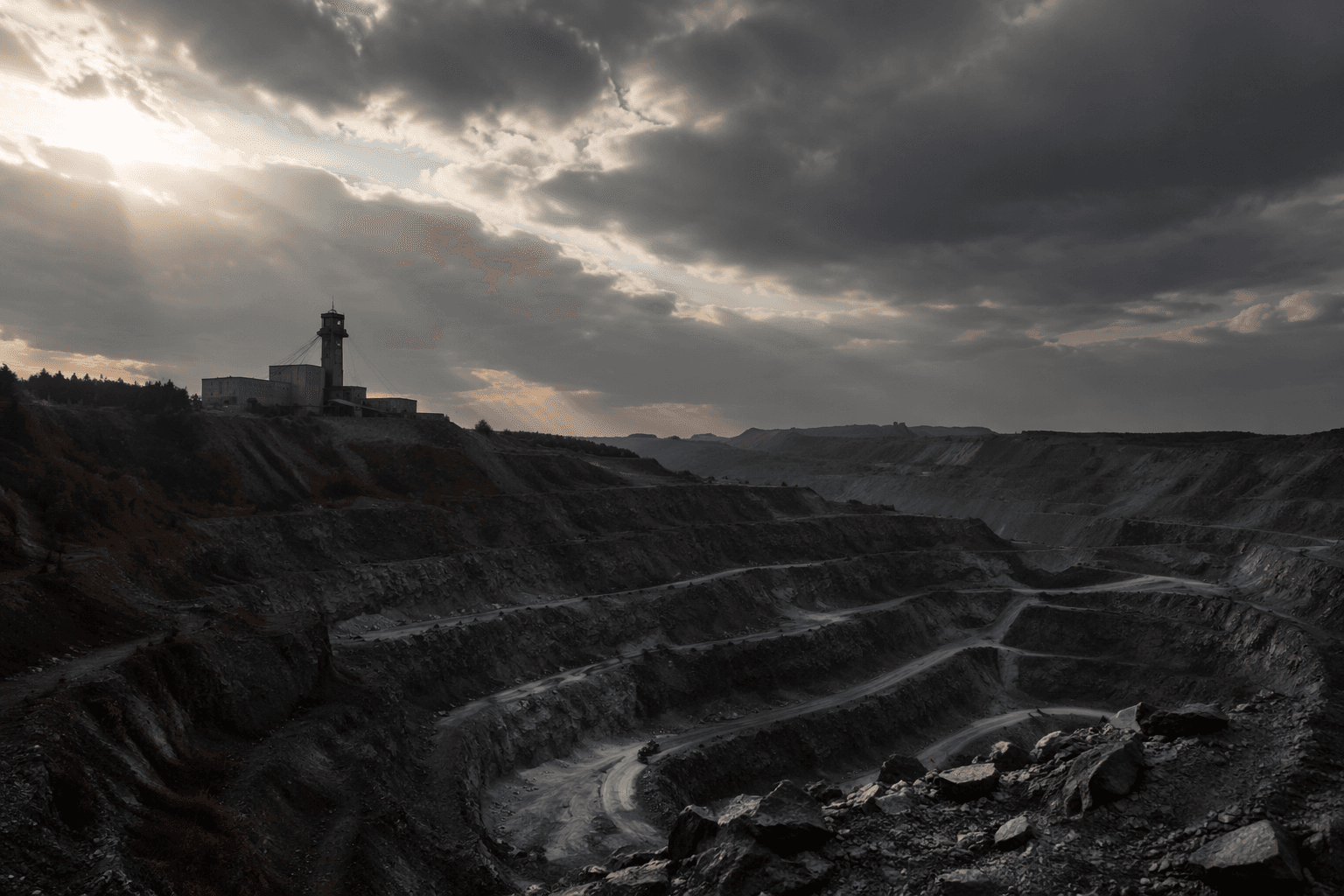
Canada gives that argument more weight. Rio Tinto said Diavik delivered its final production in 2026 after mining began in 2003, and pressure continues around Gahcho Kué, the Northwest Territories joint venture owned 51% by De Beers Canada and 49% by Mountain Province Diamonds. Natural Resources Canada said the country was still the world’s fourth-largest producer of rough diamonds in 2024 by value and volume, with $1.52 billion in diamond and diamond-product exports. Even so, the Northwest Territories sector is clearly shrinking, and Cook’s warning that 2027 might be the last year for diamond mining in Canada reads less like hyperbole than a stress test of a region already in contraction.
Tariffs are the other hinge point. More than 90% of polished diamonds are manufactured in India, and trade reporting showed that U.S. duties on Indian imports disrupted polished-diamond trade and froze parts of the market in 2025. India’s cut-and-polished diamond exports to the U.S. fell sharply during that period. If tariffs move toward zero, the near-term winners would be Indian cutters and polishers, U.S. jewelers trying to restore flow, and miners trying to stabilize margins. For natural diamonds, tighter Canadian supply and softer trade barriers could help restore pricing discipline. For De Beers, the facts support part of the story, but the company is also writing the next chapter it wants the market to believe.
This article was produced by Prism’s automated news system from verified source data, official records, and press releases, then run through automated quality and moderation checks before publishing. The system is built and supervised by the people who set the standards it runs under. Read our full AI policy.
Know something we missed? Have a correction or additional information?
Submit a Tip