Forbes Vetted names Blue Nile top lab-grown diamond brand for 2026
Blue Nile topped Forbes Vetted’s 2026 lab-grown diamond list, but the real test is the paper trail: grading, guarantees, and service policies.
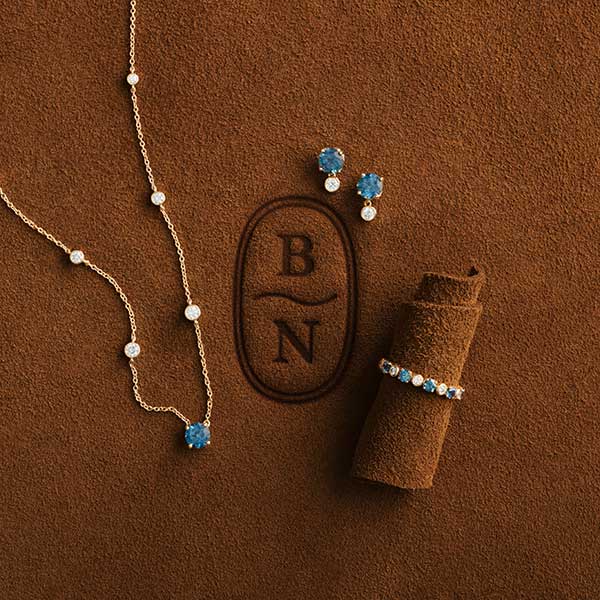
Blue Nile rose to the top of Forbes Vetted’s 2026 lab-grown diamond ranking because it combined third-party certification with buyer protections that matter after the purchase, including resizing, polishing, a diamond price guarantee and a product warranty. For anyone comparing lab-grown stones, the better question is not which logo sits at the top of a list, but which seller can prove the diamond, protect the price and stand behind the setting.
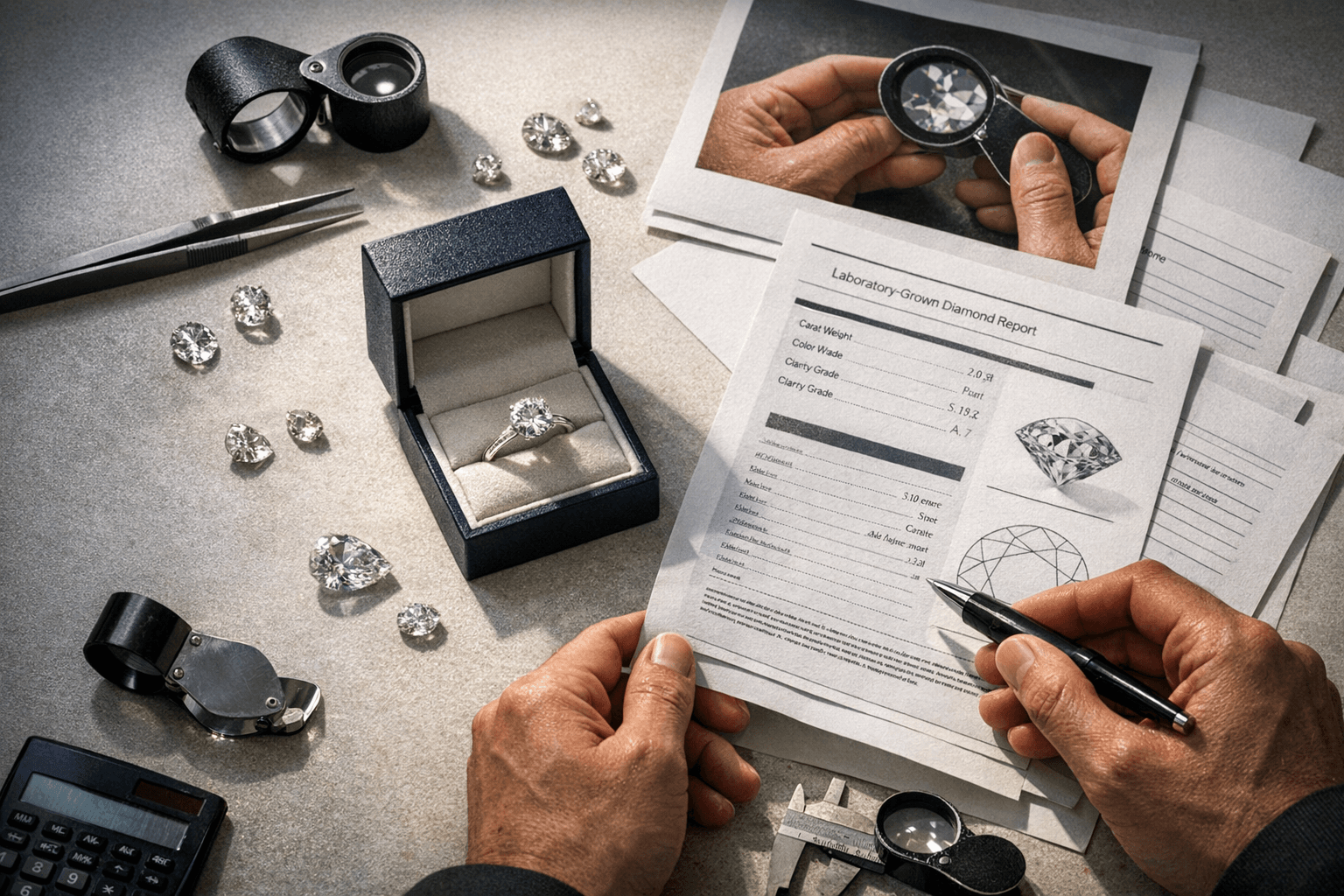
That proof starts with the report. The Gemological Institute of America changed its lab-grown program on October 1, 2025, after announcing the revision on August 26. Its updated service for loose colorless to near-colorless laboratory-grown diamonds weighing 0.15 carats or more uses an overall quality evaluation instead of a traditional natural-diamond-style grading report. GIA classifies those stones as Premium or Standard, and the girdle is laser-inscribed with the words Laboratory-Grown and the GIA quality assessment number. In practice, that makes the paper trail just as visible as the stone.
IGI still gives buyers a more familiar 4Cs framework. Its loose diamond reports identify whether a stone is natural or lab-grown and document the value-setting 4Cs, while its laboratory-grown diamond reports also include cut grading, polish and symmetry. GCAL takes a different tack, promoting a Guaranteed Certificate and a grading guarantee, a pitch that speaks directly to shoppers who want a lab report with a built-in promise attached.
Blue Nile’s own services page adds another layer of reassurance. The company says it provides professional jewelry appraisals for Design Your Own Diamond Jewelry items and for diamond, pearl and gemstone jewelry over $1,000. That matters because lab-grown diamonds can look identical to mined stones in a finished ring, yet the long-term value depends on clear documentation, transparent pricing and whether the seller will help if the ring needs to be resized or refreshed after the sale.
The category itself is still expanding. Market-research estimates put the U.S. lab-grown-diamond market at $24.23 billion in 2026, with growth projected to $64.12 billion by 2035. Another estimate places the global market at $30.16 billion in 2026, up from $27.95 billion in 2025. Those numbers help explain why certification, service and warranty terms are now as important as carat weight. In a market where lab-grown and natural diamonds can be visually close, the smartest purchase is the one with the clearest paperwork.
This article was produced by Prism’s automated news system from verified source data, official records, and press releases, then run through automated quality and moderation checks before publishing. The system is built and supervised by the people who set the standards it runs under. Read our full AI policy.
Did this article answer your question?