TwentyFour Vault Charm Blends NFC Memory Tech With Diamonds
TwentyFour’s Vault turns a diamond charm into a private memory capsule, but its real value depends on whether you want a jewel, a digital archive, or both.
A diamond charm that carries a second life
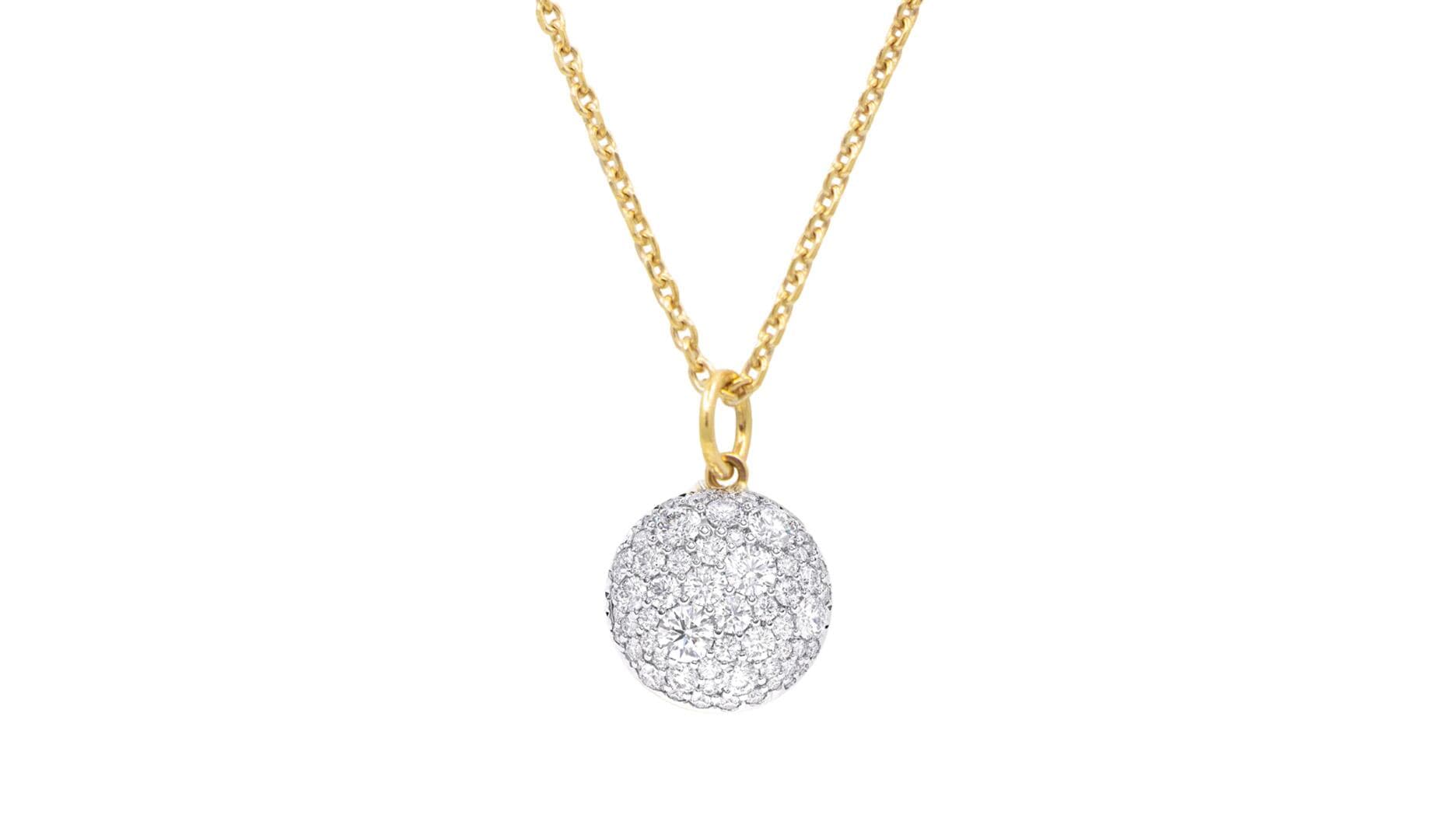
Before you buy a diamond charm, ask what kind of permanence you actually want. TwentyFour’s Vault answers with a split personality: a finely made gold-and-diamond object on the wrist or neck, and a private digital lockbox that opens with a tap. That NFC layer does not change the cut of the stone, but it does change the meaning of the piece, especially if you want a gift that holds a voice, a playlist, or a family message instead of just a date engraved on the back.
What the Vault actually holds
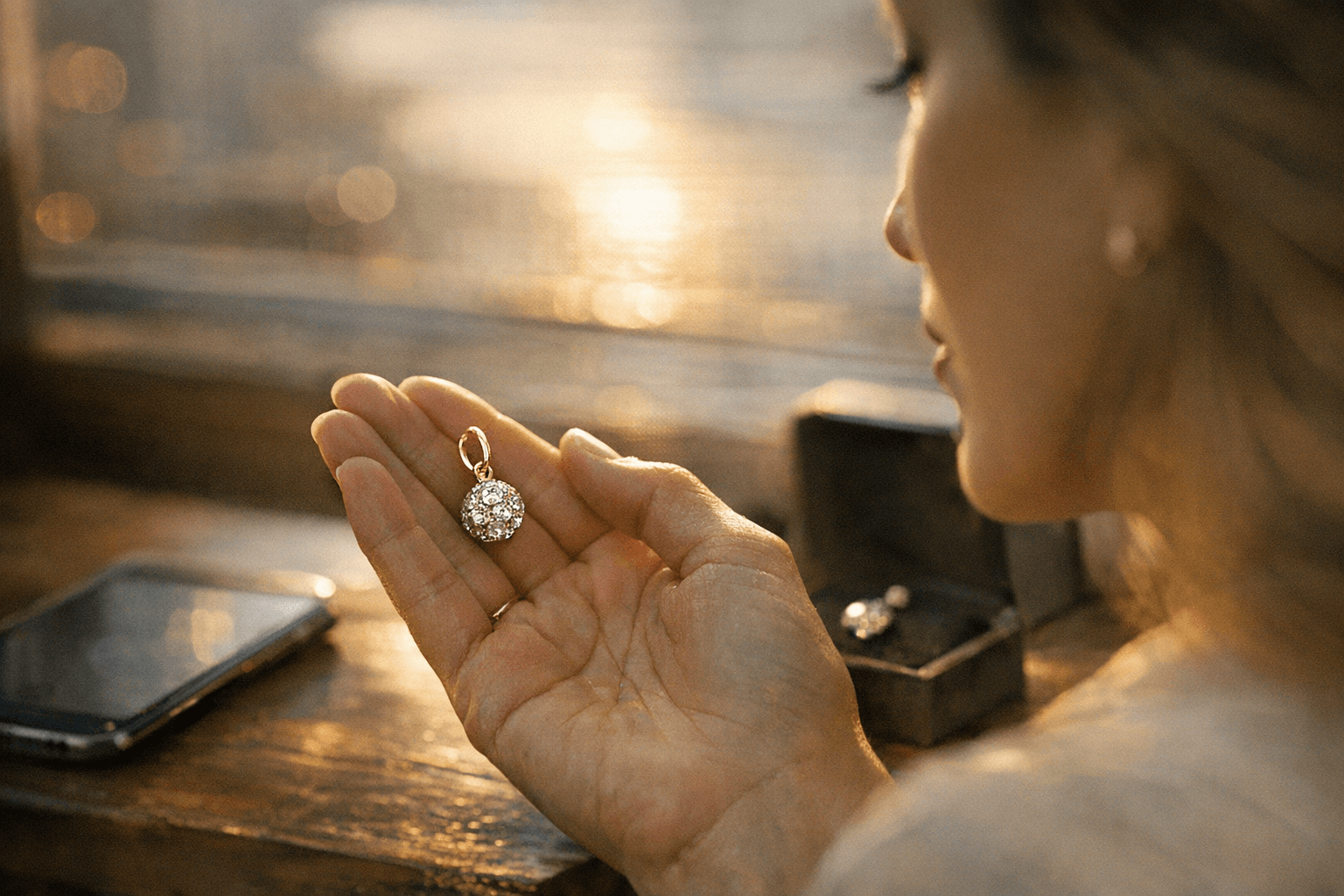
TwentyFour describes Vault as “a locket, reimagined for the digital age,” and the idea is more practical than gimmicky. Tap the charm and it unlocks a private space for photos, videos, voice notes, playlists, handwriting samples, and short videos. After purchase, customers are paired with a personal or digital concierge to help curate the contents, which matters if you are giving the piece as an engagement gift, a milestone present, or something meant to become part of a family archive.
That concierge service is one of the clearest signs that this is not just jewelry with a novelty feature. It shifts the buying decision from “What does it look like?” to “What story does it hold, and who helps assemble it?” For a buyer who wants a keepsake to feel personal immediately, that added guidance may be more useful than another carat on paper.
- Photos, handwriting samples, voice notes, playlists, and short videos are all part of the Vault’s memory set.
- The charm’s digital layer is private, which gives the piece intimacy, but also makes access and long-term usability part of the value equation.
- The emotional payoff is strongest when the archive is as carefully considered as the metal and stones.
Materials, workmanship, and the price ladder
Vault is not built like a tech accessory. TwentyFour says the pieces are handmade locally in New York City from 100% post-consumer recycled gold, and the studio says its team is small, with five artisans, mostly women, trained in the tradition of high jewelry. That combination matters, because the best case for smart jewelry is not that it behaves like consumer electronics, but that it is made with the same seriousness as a fine jewel.
The collection is priced across a clear ladder: the Micro Vault is $850, the standard Vault charm is $2,150, the Vault necklace is $2,650, and the Major Vault is $3,600. The standard Vault charm carries 0.85 total carat weight, which puts it squarely in fine-jewelry territory rather than the realm of a token add-on. At that price, the buyer is paying for craftsmanship, gold, and the memory feature together, so the question becomes whether the NFC function adds enough emotional utility to justify the premium.
The Major Vault makes the argument most forcefully. It offers a 3.06-carat pear-shaped diamond option, with an IGI-certified lab-grown diamond by default and a natural diamond available upon request. That is a telling structure: TwentyFour is treating lab-grown as the standard and natural as the special order, which reflects where much of the market is headed.
Natural or lab-grown: what changes, and what does not
If you are choosing Vault for diamond value alone, the distinction matters. The Major Vault’s lab-grown diamond comes with IGI certification, which gives the stone a formal grading paper trail. The natural diamond option exists, but the brand’s language is broad, so if natural provenance is important to you, the burden is on you to ask for the sourcing story and documentation that matter to you.
The bigger market context explains why this split feels current rather than contrarian. Lab-grown diamonds accounted for 14% of the U.S. jewelry market in 2024, according to Tenoris data reported by National Jeweler. In other words, a lab-grown default is no longer a fringe decision. It is a commercial reality, and for many buyers it is the more transparent, more accessible choice, especially when the design is doing emotional work beyond the stone itself.
Natural and lab-grown versions of Vault will not change the NFC experience, and that is the point. The tech feature is the same either way, so the real decision is whether you want the diamond to signal rarity in the traditional sense, or whether you want the piece to prioritize story, access, and personal meaning. If you care most about long-term wearability and value, the stone quality, setting, and gold construction should still carry more weight than the novelty of the digital layer.
Why smart jewelry is finally credible
Vault also lands in a category that has been developing for years, not weeks. GIA documented an NFC device embedded in cultured pearls in 2020, showing that the technology has been technically feasible inside jewelry for some time. JewelleryNet later noted that smart fine jewelry pioneers had spent more than a decade building NFC-enabled pieces, and pointed to Galatea Jewelry’s Momento Smart Diamond Collection as evidence that the category had moved from concept to market.
That history matters because it strips away the idea that Vault is a one-off stunt. The technology may still feel futuristic, but the underlying mechanics are mature enough to be taken seriously. What remains is the harder question: does the digital layer improve the jewelry, or simply distract from it?
For Vault, the answer depends on intent. If you want a diamond piece whose meaning deepens when it is tapped, the charm makes a compelling case. If you want a diamond to stand on cut, color, and carat weight alone, the NFC feature may feel secondary. The smartest buyers will read the piece the way a collector reads any fine jewel: as materials, workmanship, and story in balance, with the digital archive serving as a modern form of provenance rather than a replacement for the stone itself.
This article was produced by Prism’s automated news system from verified source data, official records, and press releases, then run through automated quality and moderation checks before publishing. The system is built and supervised by the people who set the standards it runs under. Read our full AI policy.
Did this article answer your question?