How to clean diamond jewelry and restore its sparkle safely
Simple cleaning brings back a diamond’s fire, but bleach, toothpaste, loose prongs, and aggressive machines can do real damage. A safe routine protects both sparkle and the setting.

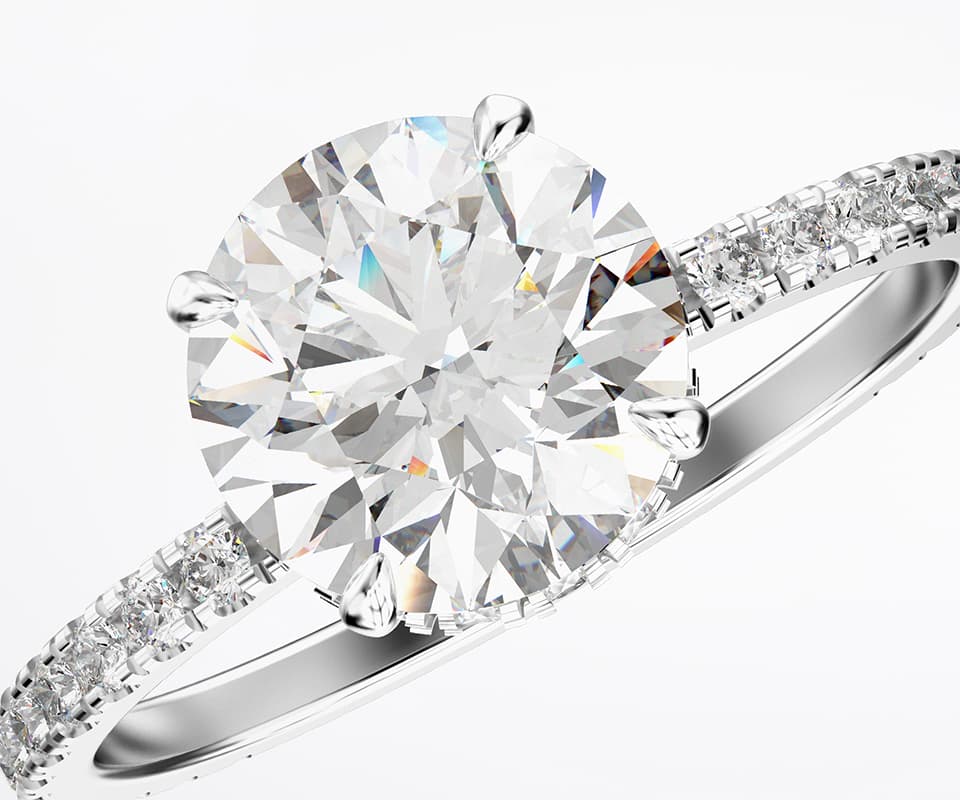
A diamond ring can look cloudy even when the face of the stone seems clean. Body oils and everyday dirt settle onto the stone, and the back of the diamond often collects the worst buildup.
The mistakes that cost more than shine
The biggest danger is treating diamond jewelry like it can survive any household cleaning ritual. Chlorine, including bleach, can erode metal settings, and abrasive cleaners such as toothpaste can loosen prongs or damage the mount entirely. A quick scrub over an open sink is another costly habit, because a loose stone, a slipping ring, or a broken clasp can disappear in seconds.
Settings deserve as much attention as the diamond itself. Old estate pieces, fragile construction, and rings with many small stones need a gentler hand than a sturdy solitaire with a modern mount. Toothbrush bristles can scratch softer gemstones, so mixed-gem jewelry needs a different plan from an all-diamond piece.
A safe home routine for restoring sparkle
A simple soak-and-brush routine restores sparkle without rough handling. GIA recommends soaking diamond jewelry in an ammonia-based household cleaner, such as window cleaner, overnight once a week, then brushing it the next morning with a soft, clean toothbrush reserved only for that piece. Cleaning the back of the stone matters as much as cleaning the front, because oil and dirt gather there and dull the return of light.
A gentler option works well for regular upkeep. Water with a few drops of mild dish soap once or twice a week, followed by a soft toothbrush, is another option. De Beers recommends warm soapy water, a soft-bristle toothbrush, a thorough rinse with the sink plug in place, and drying with a soft lint-free cloth.
A careful home clean looks like this:
1. Prepare a bowl or basin, never an open sink.
2. Add warm water with a small amount of mild dish soap, or use the ammonia-based cleaner GIA recommends for weekly soaking.
3. Let the jewelry soak so oils can loosen rather than be forced off with pressure.
4. Brush gently with a soft, clean toothbrush, paying special attention to the back of the diamond and any crevices around the setting.
5. Rinse with the drain plugged or covered, then dry with a lint-free cloth.
What to keep away from the jewelry tray
Not every cleaner that seems harmless is safe for fine jewelry. Ammonia can be too harsh for delicate gems or vintage jewelry, and chlorine bleach can pit or damage gold alloys. Toothpaste looks convenient, but its abrasives can grind against metal and wear down the finish that holds the stone in place.
A few practical rules make the difference between maintenance and mishap:
- Do not use bleach on diamond jewelry.
- Do not use toothpaste or other abrasive cleaners.
- Do not scrub aggressively around prongs or pavé-style settings with many small stones.
- Do not clean over an open drain.
- Do not assume all gems in a piece can tolerate the same treatment as a diamond.
Diamonds are hard enough to scratch precious metals, but the rest of the piece may be far less forgiving. A diamond ring with side stones, a vintage pendant, or a mixed-gem bracelet can be damaged by the very brush that makes a solitaire shine.
When to stop and let a jeweler handle it
Professional cleaning is worth it when the setting has not been inspected, when a ring feels slightly loose, or when a piece has sentimental or financial weight that makes a mistake too expensive. Jewelers may use steam cleaners or ultrasonic cleaners, but those devices can loosen gemstones in their settings, which is why they check for loose stones first. Ultrasonic machines can be effective at dislodging dirt from hard-to-reach places, but they are not safe for all gems and all settings.
Rings with prongs that have already worn thin, and older pieces where the metal has softened with time, need extra caution. De Beers recommends an annual inspection of the diamonds and their settings, and its after-sales service includes checking that clasps or safety locks are functioning properly. “A Diamond is Forever” is one of the world’s best-known advertising slogans, but the settings that hold a diamond still wear with time. A routine inspection can catch a bent prong before it becomes a lost stone.
This article was produced by Prism’s automated news system from verified source data, official records, and press releases, then run through automated quality and moderation checks before publishing. The system is built and supervised by the people who set the standards it runs under. Read our full AI policy.
Did this article answer your question?