Lab-Grown Diamonds Show Hidden Differences Beyond the 4Cs
Two lab-grown diamonds can share the same 4Cs and still read very differently in the hand. Growth method, treatment, and internal texture can alter appearance, grading detail, and resale value.
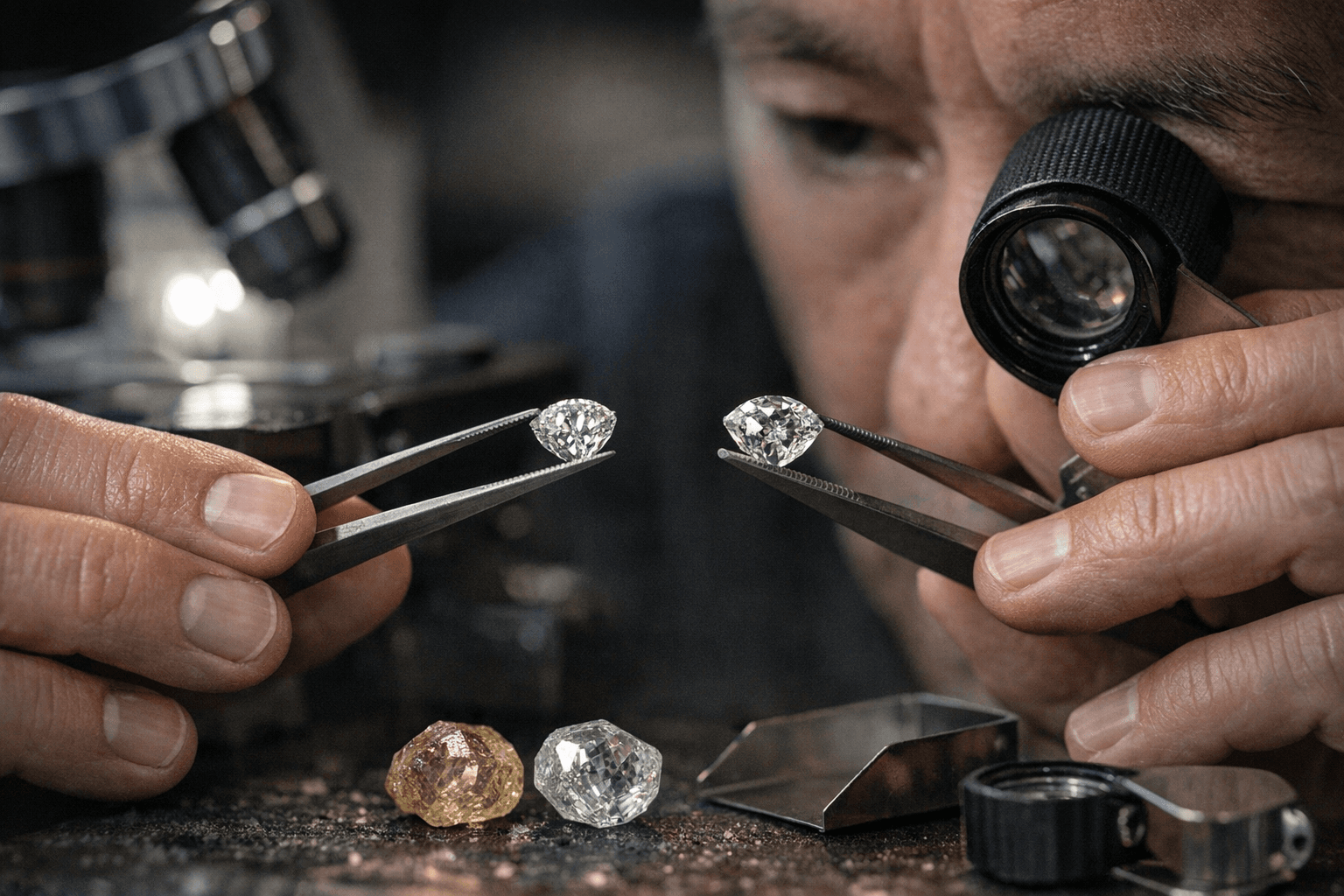
Before you spend a single dollar, know this: two lab-grown diamonds can look nothing alike even when their 4Cs match. The 4Cs still tell you a lot about quality, but they do not tell the whole story of how a stone formed, what treatments it received, or whether its body color and internal texture will change the way it faces up on the finger.
Why the 4Cs are only the beginning
In lab-grown diamonds, growth method matters. Gemological Institute of America research says there are significant differences between HPHT and CVD growth, and between those growth methods and post-growth treatments, which is why there is no cost-effective or rapid screening tool that can definitively identify every laboratory-grown diamond. That is the practical consumer takeaway: if a seller talks only about carat and color, you are not getting the full picture.
CVD stones now dominate the supply submitted for grading reports, and many of them are also post-growth HPHT-treated to remove color. That means two colorless stones can arrive at the counter with different material histories, different internal features, and different grading disclosures. The category may look uniform from across the case, but it is not uniform under the loupe.
What you can actually see
Some differences are visible with magnification, and those are the ones worth learning to spot. GIA says lab-grown diamonds often show graphitic or metallic inclusions, color zoning, or graining patterns under magnification. In practice, these features can influence how clean or even a stone appears, especially if you are comparing two diamonds that both carry the same clarity grade on paper.
Look for these clues under magnification
• Color zoning, which can make one area of the stone feel slightly warmer or cooler than another. • Graining patterns, which may read as internal texture or subtle striation. • Graphitic or metallic inclusions, which are material fingerprints rather than cosmetic accessories. • Uneven transparency or patchiness, especially when a stone has been treated after growth.
These are not always deal-breakers, but they are not decorative trivia either. A stone with pronounced zoning or visible graining can appear less lively than a cleaner peer, even if both are technically similar in the grading report.
What to ask for before you buy
A grading report should do more than hand you a grade and a serial number. GIA’s laboratory-grown diamond reports now include growth method and post-growth treatment, along with color, color distribution, and clarity specifications. The report is also laser-inscribed on the girdle with the term “Laboratory-Grown,” and the redesigned digital-only Laboratory-Grown Diamond Report introduced in October 2020 includes a QR code that links to educational material.
Ask for these specifics
• Growth method: HPHT or CVD. • Post-growth treatment: whether HPHT was used after growth to improve color. • Color distribution: not just the color grade, but how evenly that color is spread. • Clarity details: what kind of inclusions are present, not just how the stone was categorized. • Laser inscription: confirm the girdle inscription matches the report. • Digital report access: use the QR code or report number to review the full grading details.
If a seller cannot clearly explain those points, keep asking. A lab-grown diamond may be real diamond, but its value proposition depends on more than a familiar four-letter shorthand.
Which differences matter most
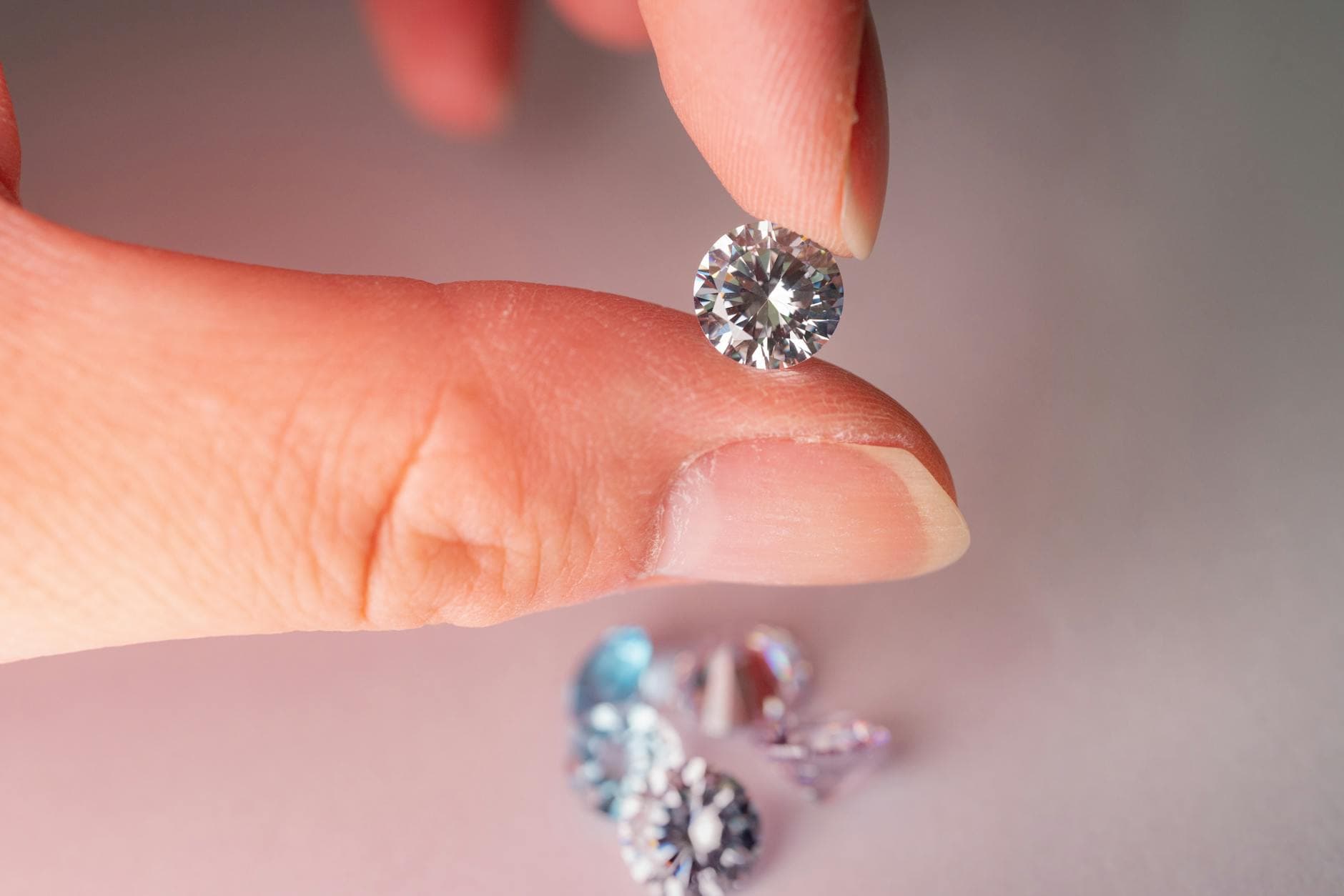
Some differences are visual; others are mainly technical. Growth method is important because it often explains why a diamond shows certain patterns, but the method itself is not always what you see with the naked eye. What you usually notice is the effect of the method: body color, zoning, grain, or the presence of metallic-like inclusions.
The treatment history matters too. A post-growth HPHT treatment can help remove color, which may make a stone look better in a showroom setting, but that same history should still be part of the buying conversation. If two stones are both graded colorless, the one with cleaner internal structure and more even distribution may offer the more attractive face-up appearance.
One more fact changes the buying equation entirely: in 2024, GIA said colorless to near-colorless lab-grown diamonds are typically type II, meaning they have no detectable nitrogen impurities, while only about 1% of natural diamonds are type II. That does not automatically make one category “better,” but it does explain why lab-grown diamonds behave differently in formation and why their gemological profile is not a carbon copy of mined stones.
Why the price story matters now
The category has also undergone a brutal price reset. The Natural Diamond Council says the value of a 1.5-carat lab-grown diamond has fallen by 83% over the past nine years, and it says lab-grown prices have dropped from about 80% of the cost of natural diamonds in 2016 to less than 20% by 2024. That is not a subtle shift. It is a structural change in how the market values abundance, scale, and replacement cost.
For buyers, that creates both opportunity and caution. Larger sizes and higher color grades are more accessible than they once were, but the same price compression that makes a stone easier to buy can make it harder to justify as a long-term store of value. GIA research published in late 2024 said analysts projected lab-grown stones could make up 20% of all diamonds on the market by 2025, which helps explain why the pricing conversation has become so charged.
The broader industry reaction
Even the grading standards have become part of the debate. In 2025, trade reaction to GIA’s lab-grown grading changes split sharply, with natural-diamond advocates welcoming the move and parts of the lab-grown sector viewing it as a setback for branding and parity claims. That tension tells you something useful as a buyer: this category is still defining itself, and the paperwork around it matters almost as much as the sparkle.
The smartest purchase is the one that can stand up to scrutiny. Look past the 4Cs, ask how the stone grew, check whether it was treated, and read the report as carefully as you read the ring itself. In lab-grown diamonds, beauty is still visible at first glance, but the real difference often lives just beneath the surface.
This article was produced by Prism’s automated news system from verified source data, official records, and press releases, then run through automated quality and moderation checks before publishing. The system is built and supervised by the people who set the standards it runs under. Read our full AI policy.
Did this article answer your question?