Las Vegas diamond trends favor solitaire settings, marquise cuts and charms
Las Vegas pointed to a real buying shift: solitaires, marquise cuts, mixed-cut designs and gold-and-diamond charms are gaining ground as naturals defend higher price points.
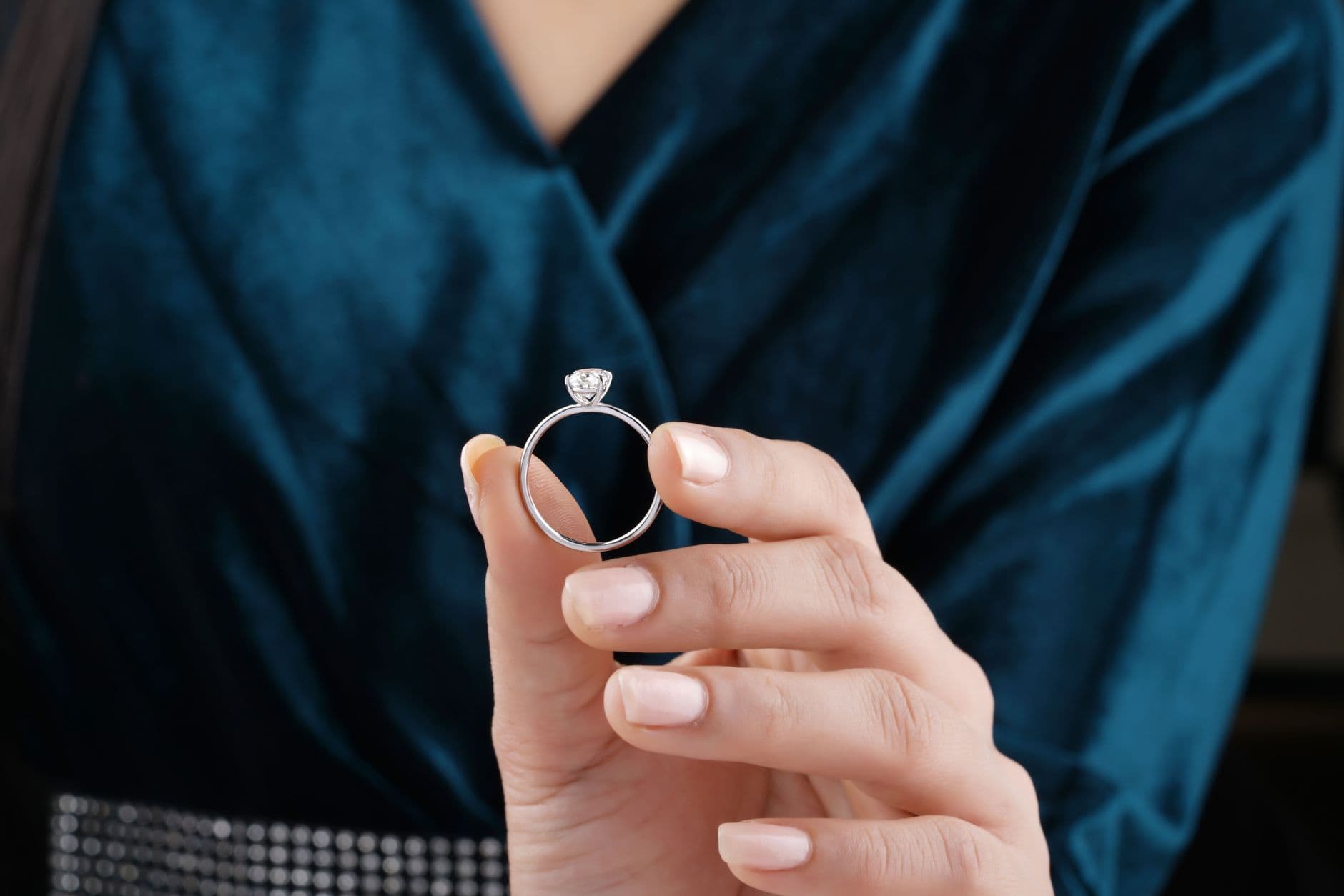
The sharpest diamond story out of Las Vegas was not more sparkle for its own sake, but a cleaner silhouette: minimalist solitaire settings, marquise shapes, mixed-cut designs and gold-and-diamond charms surfaced again and again at JCK and Luxury, with Couture echoing the same appetite for bigger natural stones. The week played out at The Venetian Expo and The Venetian Resort in Las Vegas, and it felt less like a fantasy runway than a buying room where next season’s orders were taking shape.
The styles that look commercially durable
The strongest signal from the floor was the return of the solitaire. That matters because a solitaire is not just a design choice, it is a commercial one: it puts the diamond first, reads clearly from across a counter, and fits a market that is more price-sensitive and more attentive to versatility than it was a few years ago. JCK’s own pre-show framing made that logic plain, with gold prices and shifting preferences around diamonds, color and versatility shaping the conversation before the doors even opened.
Marquise cuts were the other standout. Their comeback is not nostalgia for nostalgia’s sake, but a response to buyers who want a stone shape with presence and a larger face-up look without necessarily moving into a heavier carat category. In a market where natural diamonds are under pressure from lab-grown competition, a marquise gives retailers a point of differentiation that feels both recognizable and a little unexpected. It is exactly the kind of shape that can make a customer feel they are choosing something with character, not just size.
Mixed-cut diamond designs also look poised to last because they give jewelers a way to build texture and contrast into a piece without abandoning clarity of line. Instead of leaning on one uniform cut, these designs let makers layer visual interest in a way that reads more collected and less conventional. That kind of articulation has commercial value: it gives buyers a reason to trade up, and it gives retailers a story to tell beyond carat weight alone.
Gold-and-diamond charms, meanwhile, are the easiest trend to imagine moving from show-floor momentum into day-to-day sales. The charm category already works on repeat purchase, collectability and personal meaning, and the addition of diamonds gives it enough lift to feel special without becoming inaccessible. When the broader market is watching gold prices closely, charms also offer a useful bridge between metal-led design and diamond-led desirability.
What the Las Vegas floor said about natural diamonds
The most telling tension in Las Vegas was between restraint and abundance. JCK reported that many in the trade were worried about the future of the natural diamond business because lab-grown diamonds continue to take share, yet the show still delivered plenty of enthusiasm for natural stones. That is the clearest evidence that the diamond conversation is no longer about one category winning outright. It is about where each category performs best.
A JCK Talks seminar with Tenoris analyst Edahn Golan drew that line even more sharply. Lab-grown diamonds now dominate lower-priced bridal, while natural diamonds are holding their own at higher price points and beyond bridal, especially with higher-end buyers. That split explains why the most convincing natural-diamond pieces in Vegas were not timid. They were bigger, bolder and designed to justify their place in a more selective part of the market.
Marquelle Turner-Gilchrist of Uneek described the same shift from the retailer’s side: as lab-grown diamonds expand the market, consumer desire for natural diamonds in meaningful sizes and distinctive cuts is becoming more pronounced. That is the kind of sentence buyers listen to carefully, because it suggests the natural-diamond story is not disappearing, but concentrating. The stones that remain most compelling are the ones with distinctiveness, presence and enough emotional weight to feel like a decision rather than a default.
Why Luxury mattered as much as JCK
Luxury was especially useful for trendspotting because exhibitors arrived with their most diamond-centric designs to impress buyers. That makes the show a better barometer than a generic overview of what is fashionable: it shows what brands believe will actually move. JCK’s own coverage of Luxury reinforced that point, noting that the event is a particularly strong place to read the diamond market because the pieces are selected to win attention from the trade, not merely to fill a display case.
That is also why the Vegas week mattered beyond style spotting. JCK’s press materials describe it as the industry’s most important global jewelry and watch event, and in practice it functions as both fashion preview and commercial audition. When the same motifs appear at JCK, Luxury and Couture, they are not just decorative echoes. They are evidence that buyers are being courted with the same message from multiple directions.
What to watch next season
The next buying cycle will likely reward pieces that are easy to understand at first glance but rich enough to feel considered up close. Solitaires should keep benefiting from their clean sell-through logic, especially when paired with thoughtful proportions and well-made settings. Marquise cuts should continue to gain traction because they offer distinction without straying into niche territory, while mixed-cut designs can help collections look more editorial and less repetitive.
The risk for the category is obvious: anything too vague, too oversized or too dependent on trend language can fade quickly once the show lights go down. The opportunity is just as clear. In a season shaped by gold prices, changing tastes and the tug-of-war between lab-grown and natural diamonds, the pieces that endure will be the ones that combine recognizable forms with visible craft. Las Vegas did not crown a single winner. It showed where diamond buying is hardening into a more selective, more design-conscious market, and that may be the most durable trend of all.
This article was produced by Prism’s automated news system from verified source data, official records, and press releases, then run through automated quality and moderation checks before publishing. The system is built and supervised by the people who set the standards it runs under. Read our full AI policy.
Know something we missed? Have a correction or additional information?
Submit a Tip