Natural diamond prices fall 11.5% as lab-grown competition intensifies
Natural diamonds are 11.5% cheaper than a year ago, giving a $10,000 buyer about $1,150 more room as lab-grown prices keep squeezing the market.
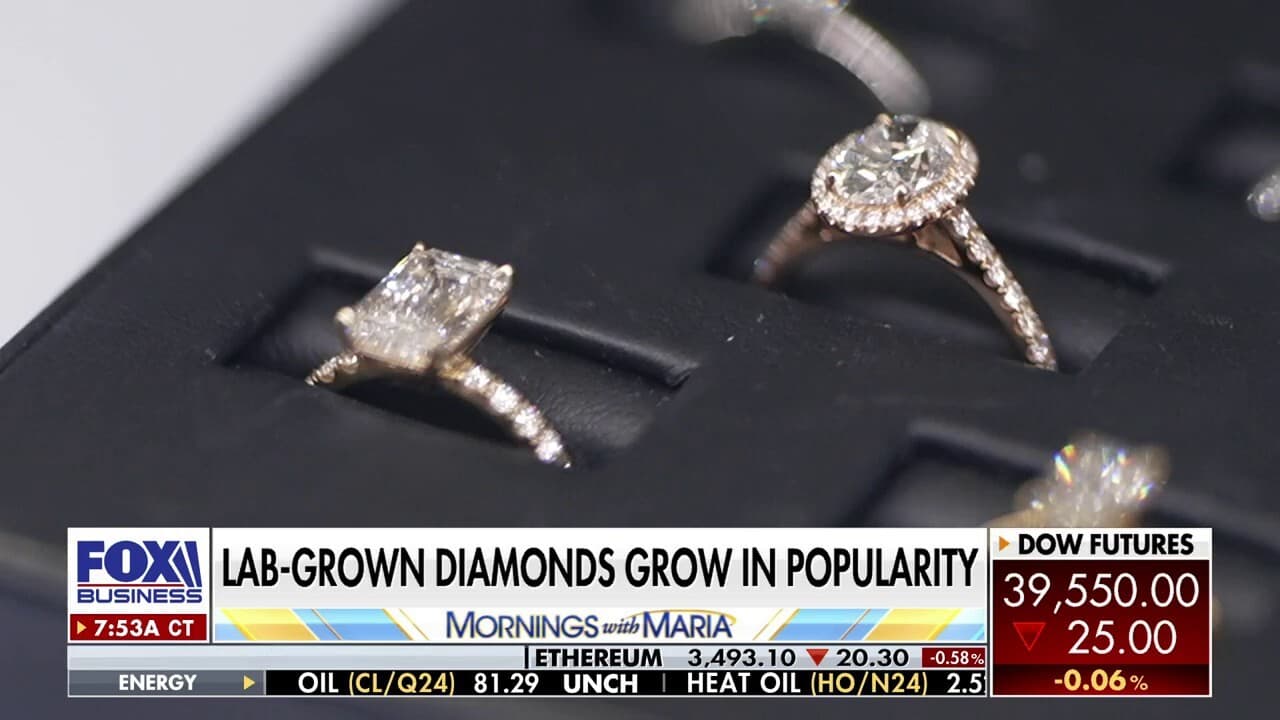
For shoppers weighing a 1.0-carat to 2.0-carat round, the latest 11.5% drop in natural diamond prices is not abstract market noise. It means a fixed budget goes further today than it did in March 2025, with roughly $1,150 of extra buying power on a $10,000 spend. In practical terms, that breathing room can be the difference between accepting a stone that merely meets the size target and choosing one with sharper cut performance, cleaner paperwork and a brighter face-up look.
The decline comes from 77 Diamonds’ analysis of the IDEX Diamond Index, a pricing measure built from IDEX’s inventory database and updated every hour. The same data shows the sector has not recorded positive monthly growth since June 2025, a sign that the downtrend has moved beyond a temporary wobble. Larger, top-quality stones have held up better than the broader market, which is exactly where buyers should focus their attention if they want a natural diamond that still feels special in the hand and under light.
What matters most now is discipline. Cut should stay at the top of the list, because it shapes brilliance more than almost any other grading choice. After that, fluorescence and certification can be useful negotiating points, especially if a stone’s price looks stubborn in a soft market. A crisp report from a respected lab will not make a diamond prettier, but it can make the purchase cleaner and easier to compare against similar stones, which is valuable when pricing remains uneven across carat, color and clarity.
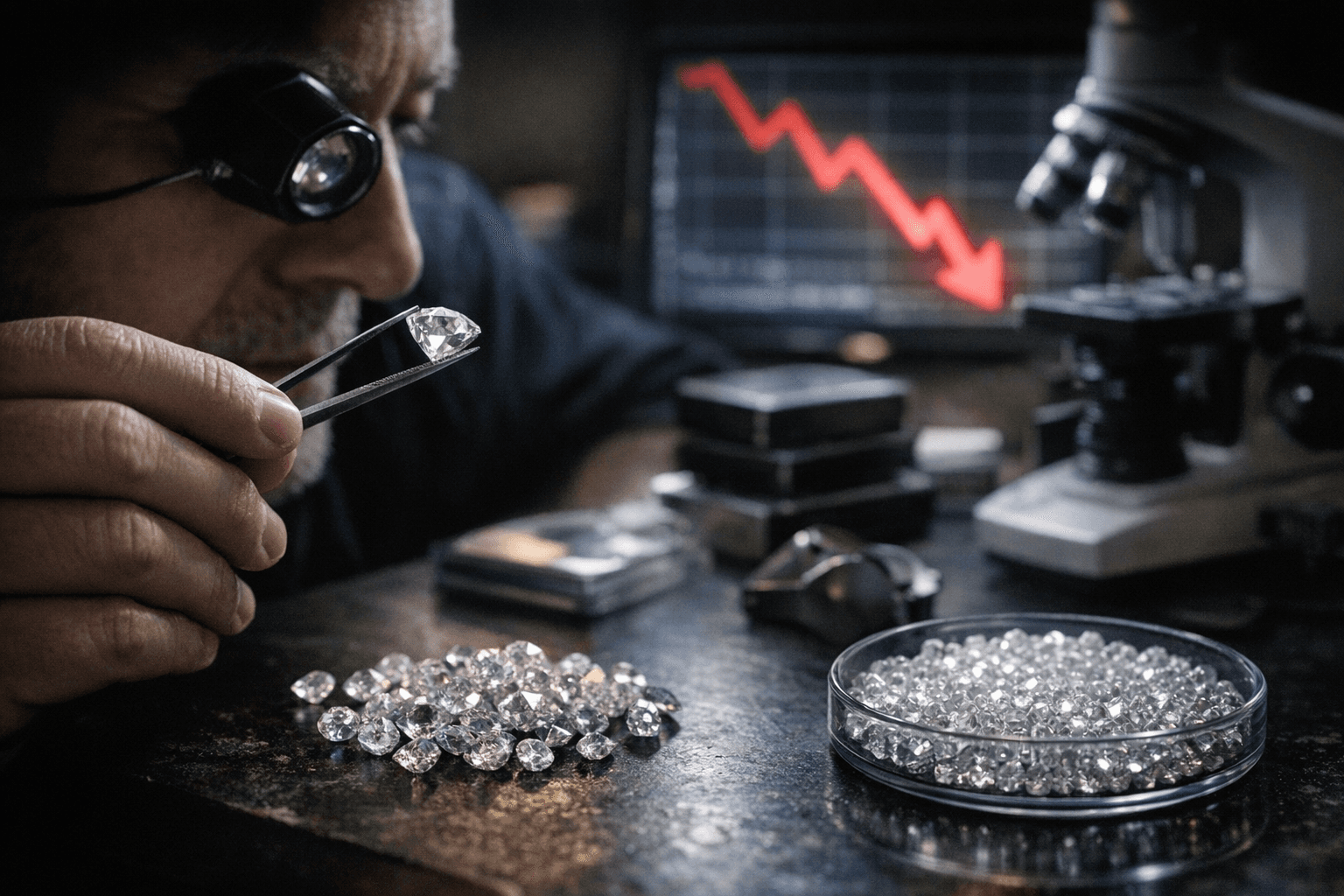
The backdrop is unmistakably competitive. Rapaport’s 2024 benchmarks showed the round 1-carat D-H IF-VS2 list down 13% and the RAPI down 23%, a much deeper slide than many consumers realize. Lab-grown diamonds have added more pressure still, with wholesale prices falling an average of 26% year-on-year in 2025, even as quarter-on-quarter declines slowed to 4.7%. That does not erase the case for natural diamonds, but it does explain why buyers now see sharper value in lab-grown stones for everyday pieces and why the natural category has had to defend its premium more carefully.
Tobias Kormind, co-founder of 77 Diamonds, said growing interest in lab-grown diamonds is not necessarily “a detriment to the value of high-quality natural stones.” He added that “economic conditions are hard” and described the moment as one of “abundance of choice.” That choice was on display around World Diamond Day on April 8, when the Natural Diamond Council launched its social-first campaign across more than 50 countries. For natural diamonds, the message is clear: scarcity still matters, but in today’s market, the smartest purchases are the ones that pair emotional appeal with exacting scrutiny.
This article was produced by Prism’s automated news system from verified source data, official records, and press releases, then run through automated quality and moderation checks before publishing. The system is built and supervised by the people who set the standards it runs under. Read our full AI policy.
Did this article answer your question?