Tactile diamond jewelry rises, texture and movement take center stage
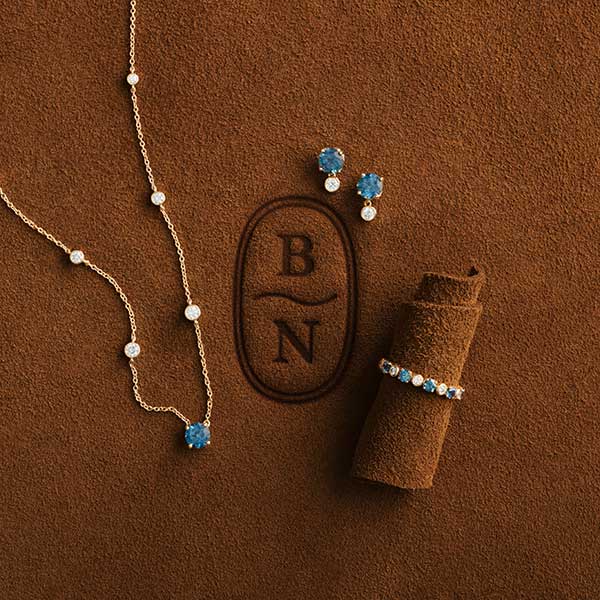
Texture is the new flex in diamond jewelry, where bands, signet rings, and moving settings trade flat sparkle for pieces that feel as good as they look.
Why tactile diamond jewelry is gaining traction
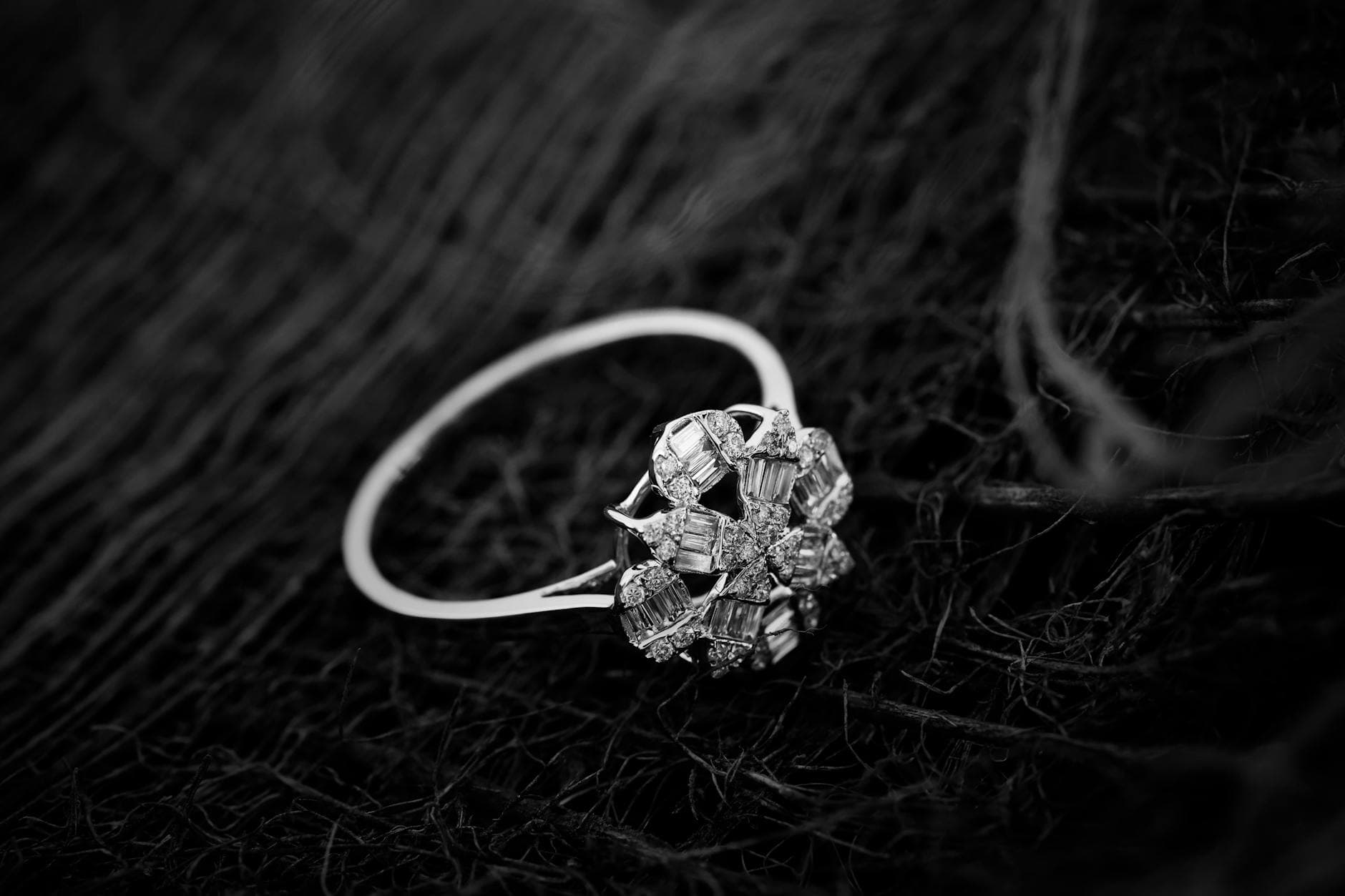
The newest diamond pieces are asking to be touched. Rings, bracelets, and necklaces built around texture, dimension, and movement are moving to the front of the case because they do more than flash from across the room. They create a physical experience for the wearer, a small grounding moment that makes the jewel feel personal rather than purely decorative.
That is the core appeal of tactile jewelry: it "does double duty." A band can read as sculptural on the hand, a bracelet can shift as the wrist moves, and a necklace can carry depth through layered construction instead of a flat surface. JCK has also framed this through a broader appetite for kinetic jewels, stackable styles, and playful movement, which helps explain why this look has stuck rather than flared and faded.
What texture changes about a diamond piece
Texture changes the way a diamond jewel wears. A smooth solitaire or polished eternity band keeps the focus on sparkle, but a ribbed shank, pavé surface, or faceted metal edge introduces shadow and touch, so the piece feels more dimensional. That can make even a smaller diamond setting seem richer, because the eye reads the whole object, not just the stones.
The tradeoff is practical, and it matters. Raised details, articulated links, and moving elements can catch lint more easily, require more careful cleaning, and sometimes show wear sooner than simpler silhouettes. In other words, you are paying not only for carat weight or stone quality, but also for the craft of construction, the precision of the setting, and the way the jewel behaves on the body.
The pieces leading the shift
Diamond bands are one of the clearest entry points into the trend. A band with a textured surface or a more architectural profile gives you daily wearability with a stronger tactile identity than a plain polished ring. Black-diamond signet rings push that idea further, merging a historically masculine or family-coded silhouette with a darker, more contemporary stone choice that reads as deliberate rather than conventional.
Bracelets are part of the story too, especially pieces with movement. JCK highlighted texture and tennis bracelets at the 2024 JCK and Luxury shows in Las Vegas, where retailers were looking for jewelry that felt fresh but still saleable. Yellow gold also drew attention there, and that matters because warm metal makes texture read more clearly, whether the surface is brushed, hammered, or carefully articulated.
Why movement feels luxurious now
Movement has become a selling point because it changes the relationship between jewel and wearer. A piece that shifts, spins, or flexes invites interaction, which makes it feel alive in a way static jewelry does not. That is why kinetic elements are showing up across categories, from rings with articulating parts to necklaces designed to catch light as they move.
There is also a psychological payoff. Jewelry that responds to the hand can feel more intimate, almost like a private habit or a pocket object translated into fine materials. For buyers who want diamonds to feel less ceremonial and more daily, that movement makes a strong case, especially when the mechanics are integrated cleanly rather than added as a gimmick.
How to judge whether the detail is worth paying for
Not every tactile flourish adds value. The details that matter most are the ones that improve the object from every angle: a thoughtful gallery, well-finished links, a setting that protects stones while still letting them breathe, and metalwork that looks intentional rather than busy. Those are the signs of a piece designed with real wear in mind.
The details that are mostly packaging are easier to spot than brands sometimes admit. If the movement feels flimsy, if the texture is purely surface-level, or if the construction looks decorative without adding comfort or durability, the design may be carrying more marketing than craft. The best tactile diamond jewelry should feel reassuring in the hand, not precarious.
A market with real scale behind it
This trend is happening inside a diamond category that remains substantial. De Beers said global demand for natural diamond jewelry reached about USD 87 billion in 2022, unchanged from 2021 and 10% above 2019. That means the category is not just surviving design shifts, it is large enough to absorb new style directions and still support serious buying.
That scale matters because it suggests tactile design is not a niche curiosity. It is a response to consumers who still want diamonds, but want them delivered with more personality, more motion, and more material character. In a market that large, small changes in taste can reshape what feels fresh at retail.
The old idea behind the new signet ring
The black-diamond signet ring may look modern, but the instinct behind it is old. The International Gem Society notes that signet rings have long served as a form of self-expression, and ancient examples ranged from tiny and cost-effective to chunky versions set with gemstones. In that sense, today’s tactile signet is less a new invention than a revived attitude toward personal jewelry.
That history is useful because it explains why the form feels so right for the current moment. A signet already carries weight, identity, and touch. Add black diamonds, a more dimensional build, or a highly worked surface, and the result feels like a contemporary shorthand for individuality, one that connects present-day styling to a long tradition of wearable statement pieces.
What to look for before you buy
The smartest tactile diamond buys are the ones that balance pleasure and practicality. A good piece should feel substantial without being bulky, interesting without being fussy, and constructed in a way that rewards close inspection as much as distant admiration. That is especially true for rings and bracelets, where comfort and movement are part of the experience.
- Look for visible craftsmanship, not just surface texture.
- Favor settings that protect stones if the design includes movement.
- Ask whether the piece is meant for daily wear or occasional use.
- Treat black-diamond signet rings and kinetic bracelets as design statements first, then assess the stones second.
- Expect to pay more when the construction is complex enough to justify it.
Tactile diamond jewelry is rising because it offers more than sparkle. It gives diamonds a physical language, one built from texture, motion, and structure, and that makes the best pieces feel less like trend objects and more like small works of wearable engineering.
This article was produced by Prism’s automated news system from verified source data, official records, and press releases, then run through automated quality and moderation checks before publishing. The system is built and supervised by the people who set the standards it runs under. Read our full AI policy.
Did this article answer your question?