Tomfoolery Love Ring 2026 spotlights lab-grown and black-and-white diamonds
Tomfoolery’s Love Ring 2026 frames bridal jewelry as a design choice, not a rulebook, with lab-grown stones, black diamonds and 26 independent jewellers.
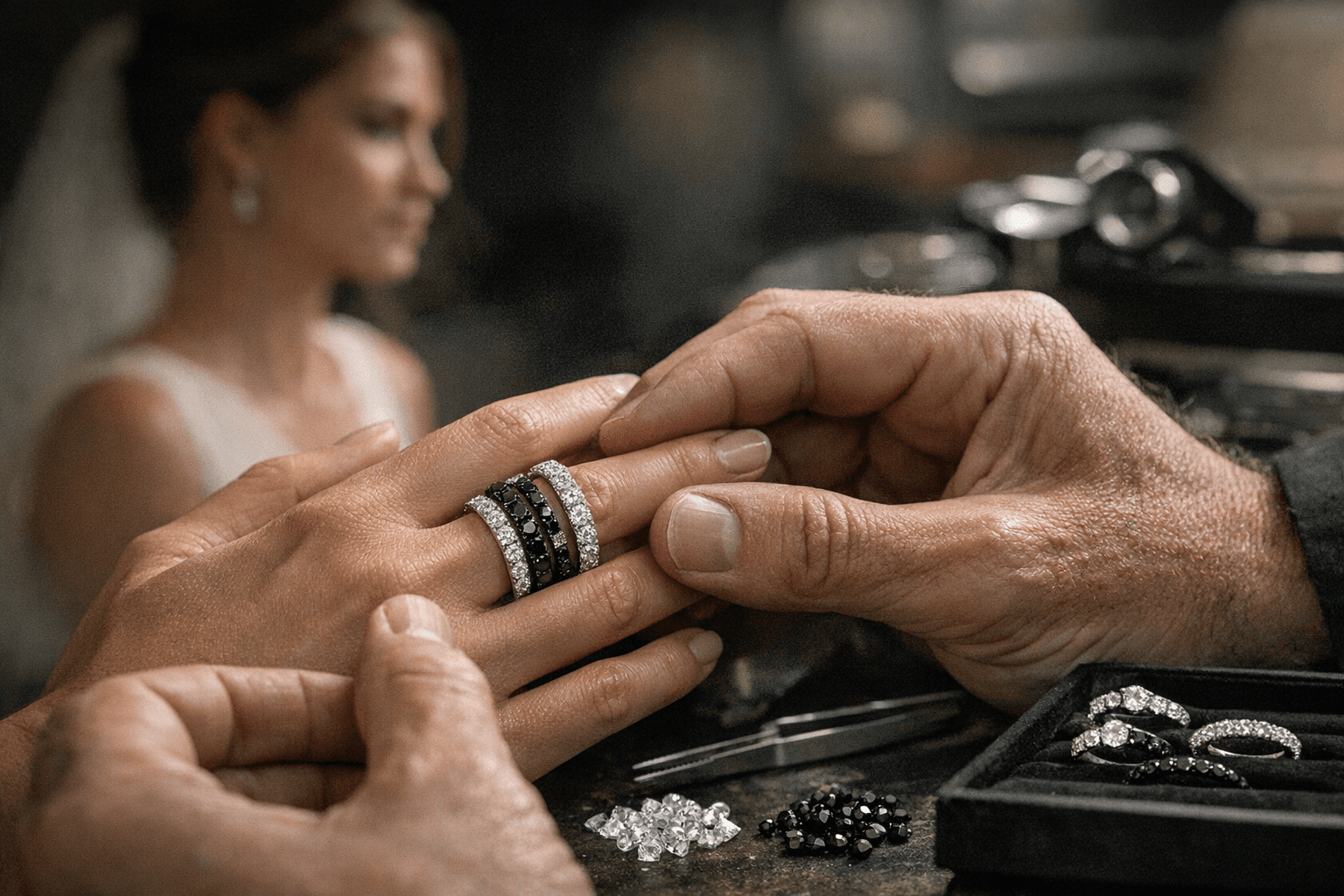
Tomfoolery’s Love Ring 2026 makes a sharp case for where bridal jewelry is heading: away from the single-minded solitaire and toward rings that look personal before they look traditional. Lab-grown diamonds sit beside black-and-white stone combinations, giving the show a clearer read on what alternative bridal now means for buyers who want meaning, contrast and a little rebellion in the same ring.
The annual showcase runs from 18 April to 4 July at 109 Fortis Green Road in Muswell Hill, and it brings together 26 independent jewellers. That breadth matters. Tomfoolery is not presenting a single house style so much as a spectrum, from more accessible pieces to one-of-a-kind investment rings, with recycled gold used almost exclusively across the boutique’s jewellery. For a shopper, that means the range is wide enough to suit a first engagement-ring purchase as well as a collector looking for something more singular.
The family story behind the boutique gives the event extra weight. Tomfoolery was founded in 1994 by Nicki and Peter Kay, and Laura Kay took over in 2013. More than 30 years into the business, the shop still presents itself as a first stop for unique engagement rings, a positioning that has helped Love Ring become less a seasonal display than a recurring snapshot of changing taste in North London.
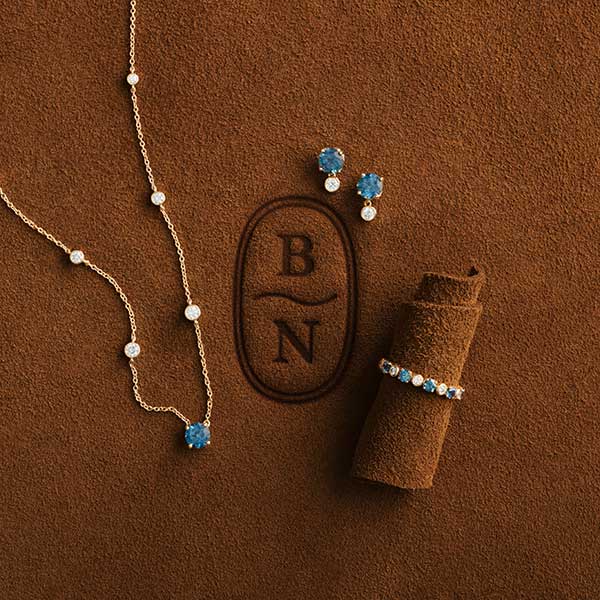
That changing taste has been visible for years. Earlier Love Ring editions focused on vibrant green stones in 2024 and gender-neutral designs in 2025, and the concept has steadily widened the definition of commitment jewelry to include friendship, family and self-love as well as romance. The result is a show that suits different kinds of buyers for different reasons: lab-grown diamonds for those drawn to the ethics and sustainability message attached to newer supply chains, black diamonds for buyers who want something graphic and unconventional, and black-and-white combinations for anyone who wants contrast without losing the language of bridal jewelry altogether.
The trade-off is equally clear. Lab-grown stones have become a mainstream alternative in the diamond trade, while black diamonds remain a more niche choice and can be harder to sell than classic elongated center stones. That tension is exactly what makes Love Ring worth watching: it suggests that alternative bridal is no longer a fringe look, but a real and widening shift in how couples define commitment.
This article was produced by Prism’s automated news system from verified source data, official records, and press releases, then run through automated quality and moderation checks before publishing. The system is built and supervised by the people who set the standards it runs under. Read our full AI policy.
Did this article answer your question?