Gen Z, Millennials Embrace Tattooed Engagement Rings, Reject Diamond Tradition
Tattooed engagement rings are drawing younger couples with lower cost, no loss, and more personal meaning, but permanence and fading make regret a real risk.
The new engagement math
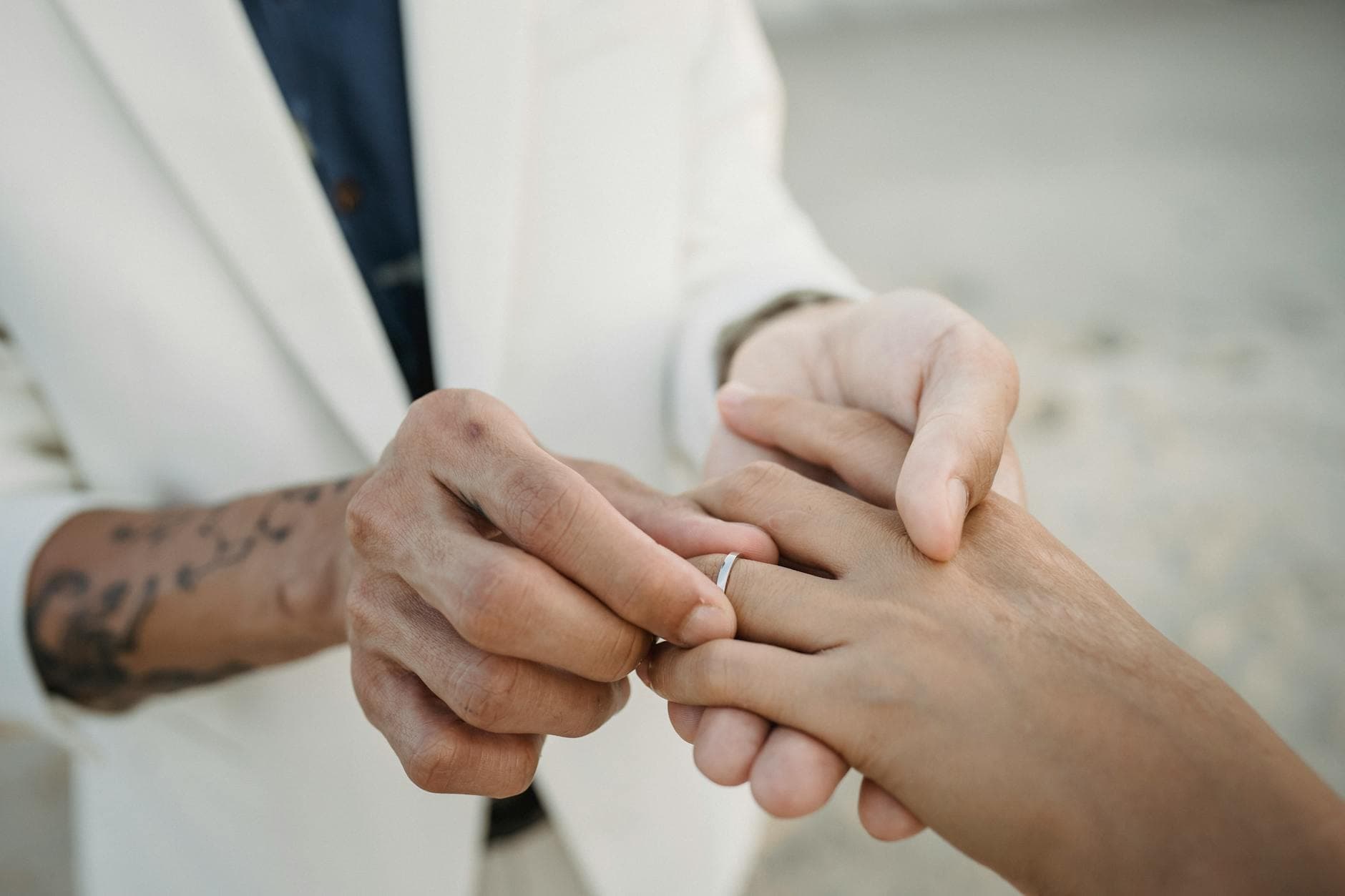
For couples weighing skin against stone, the appeal is brutally simple: a tattooed ring can cost far less than a diamond, cannot be resized, and will not slip off a finger at the gym or in a hotel sink. That logic is helping Gen Z and millennials reconsider what an engagement symbol is supposed to be, especially as more people see the traditional ring as a line item instead of a rite of passage.
A Chime-commissioned survey conducted online by Talker Research from Feb. 12 to Feb. 26, 2026, found that 65% of respondents now view engagement rings as a financial burden rather than a symbol of love. In that same survey of 2,000 U.S. adults, split evenly across Gen Z, millennials, Gen X, and baby boomers, 25% of Gen Z and 21% of millennials said they would consider tattooed finger rings or matching tattoos as an alternative. The shift is less about rebellion than recalibration: younger couples are asking whether the old script still fits their budget, their values, and their relationship.
Why the tattooed ring is catching on
Tattooed engagement rings hit several pressure points at once. They are permanent in a different way from jewelry, they remove the anxiety of loss, and they strip away the resale calculation that shadows a lot of diamond buying. For couples who want a symbol they never take off, the tattoo has a built-in emotional logic that a boxed ring does not always deliver.
The cost angle matters most. In a separate 2021 BriteCo survey, average natural-diamond engagement-ring spending rose from $7,197 in 2020 to $8,053 in 2021, a jump that helps explain why some buyers are looking for a cheaper, more personal route. A tattooed band can also be customized in ways a round solitaire cannot: a tiny line, initials, a date, a geometric motif, or a matching design split between two hands. The appeal is not just savings, but authorship.
What younger couples are choosing instead
The same Chime research shows that tattooed rings are part of a larger redesign of the proposal itself. Thirty percent of Gen Z respondents said they would consider a stone other than a diamond, 26% would skip a ring entirely in favor of a shared trip or another experience, and 21% would consider buying from resale platforms like Facebook Marketplace. That is a meaningful break from the old assumption that the engagement budget must center on a mined diamond in a new setting.
Chime framed those findings as evidence of a broader move toward personalization and joint decision-making. That is the real story here: the ring is no longer just a surprise purchase made in secret. For many couples, it is becoming one decision among several, alongside travel, savings, debt, and long-term plans. The symbol still matters, but the spending logic has changed.
Not a brand-new idea, just newly visible
Tattooed wedding and engagement rings may feel current because they are circulating in social feeds and trend pieces, but they are not a 2026 invention. Wedding-ring tattoos have existed as a niche for years, and recent coverage has linked their rise to a broader appetite for alternative commitment symbols. The Knot has noted that wedding ring tattoos have only grown in popularity since they “blew onto the scene,” with Beyoncé and Jay-Z serving as a pop-culture reference point.
That celebrity association matters because it gives the idea social legitimacy. When a high-profile couple treats an inked ring as meaningful rather than gimmicky, the concept moves from novelty to option. Still, the tattoo itself remains a very different object from jewelry: it does not sparkle, it cannot be handed down, and it will age on skin that changes over time.
The practical trade-offs couples need to face
The strongest argument for a tattooed engagement ring is also its biggest warning label: permanence. Jewelry can be sold, reset, upgraded, inherited, or tucked into a drawer if tastes change. Ink stays, even when a relationship, a hand, or a job requirement changes.
There are also physical realities that no romantic pitch can erase. Finger tattoos can fade, especially on a part of the body that sees constant movement, washing, and friction. Aftercare matters, as does design choice. A line that looks crisp on day one may soften faster on a finger than on a forearm, and a highly detailed pattern can lose clarity more quickly than a simple band.
- Ask whether the design still feels right if it softens over time.
- Think about whether a visible tattoo fits work, family, or personal style for the long haul.
- Consider whether a lower-cost ring alternative or a resale purchase would better match the budget.
- Make sure both partners are comfortable with a symbol that cannot be resized, returned, or reset.
For anyone considering the switch, the decision should be treated like any other engagement purchase, only more final:
What this says about love, money, and status
The rise of tattooed engagement rings is not really a rejection of commitment. It is a rejection of the idea that commitment must be proved through a particular object, price point, or diamond size. For younger couples, the value may live more in the decision-making than in the carat weight.
That is why the trend feels bigger than a passing aesthetic. It reflects a generation that is more willing to question inherited luxury codes, more open to alternative materials and formats, and more aware of what a ring actually costs relative to rent, travel, debt, or a future home. The most interesting part is not that some couples are choosing ink over stones. It is that they are asking, with growing confidence, whether the old symbol still deserves automatic priority.
This article was produced by Prism’s automated news system from verified source data, official records, and press releases, then run through automated quality and moderation checks before publishing. The system is built and supervised by the people who set the standards it runs under. Read our full AI policy.
Did this article answer your question?