Harriet Sperling's engagement ring nods to Queen Elizabeth II through Pragnell
Harriet Sperling’s ring is less about flash than lineage, linking Pragnell to the jeweller behind Queen Elizabeth II’s 1946 engagement ring.
The first glimpse changed the meaning of the ring
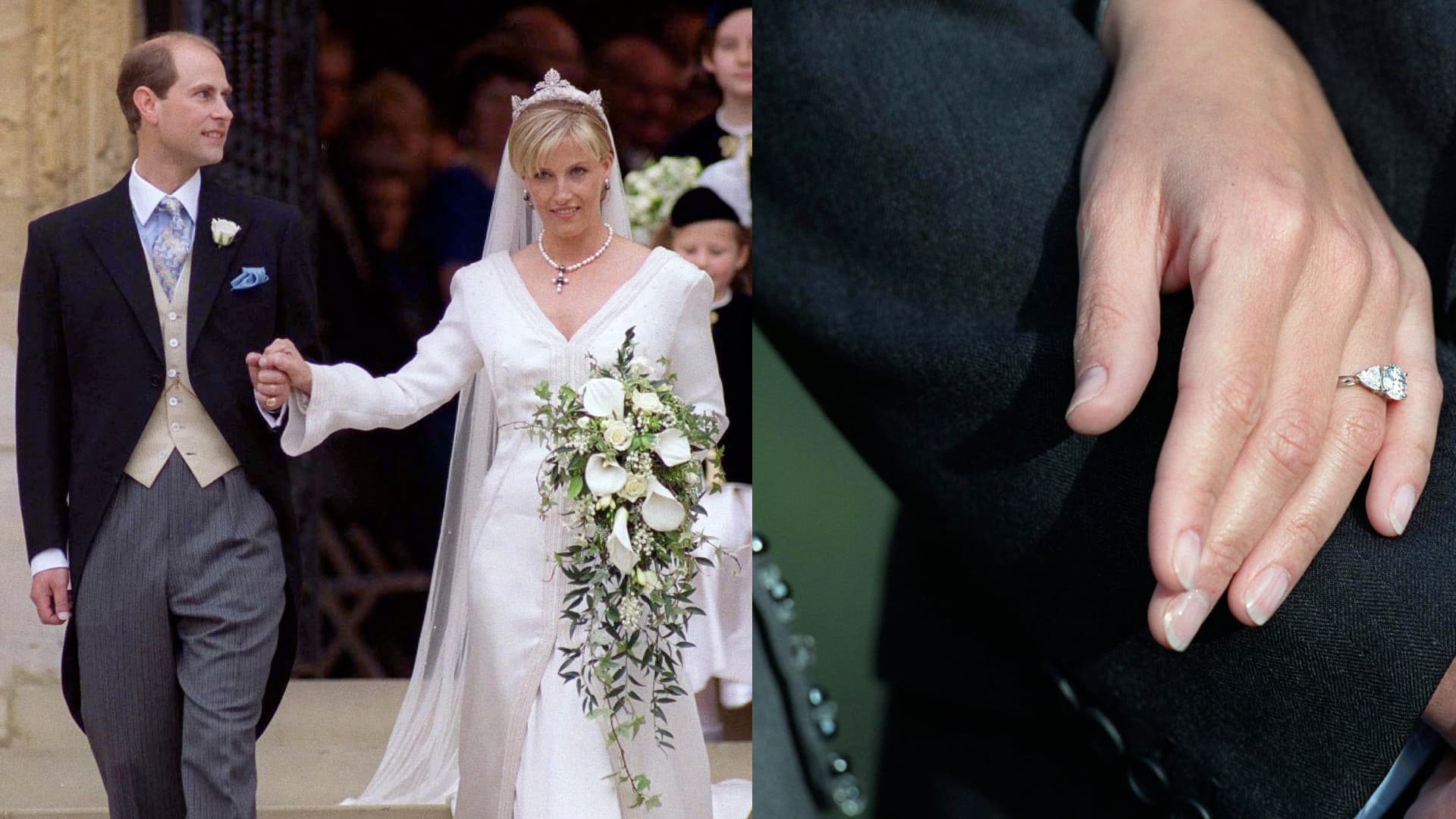
Harriet Sperling first wore her engagement ring publicly at Cheltenham Racecourse on New Year’s Day 2026, after Peter Phillips and Harriet announced their engagement on August 1, 2025. The setting was apt for a jewel that reads less like a fashion statement and more like a family signet of affection, history, and restraint. With a wedding reportedly planned for June 2026, the ring arrived as both a promise and a quietly coded royal reference.
Visually, the piece sits in the classic diamond engagement-ring tradition rather than in the louder language of modern celebrity rings. That understatement is exactly why it lands: the interest is not in excess, but in lineage. In royal jewelry, the strongest signal is often not size, but provenance.
Why Pragnell matters more than a brand name
Pragnell is the key to decoding the story. The house acquired Philip Antrobus, the Bond Street jeweller that created Queen Elizabeth II’s engagement ring in 1946, and Pragnell says it also took on the Antrobus archives. Antrobus itself dates to 1815, which gives the jeweller a long, documented life in British jewelry history before it ever entered Pragnell’s orbit.
That matters because it separates genuine heritage from soft mythmaking. Pragnell is not simply dressing up a contemporary ring with royal atmosphere; it is stewarding the historical record of a house that once made one of the most famous engagement rings in British royal life. When a jeweller can point to an archive, a founder’s date, and a documented royal commission, the story becomes more than marketing language.
The Queen Elizabeth II link, exactly as it works
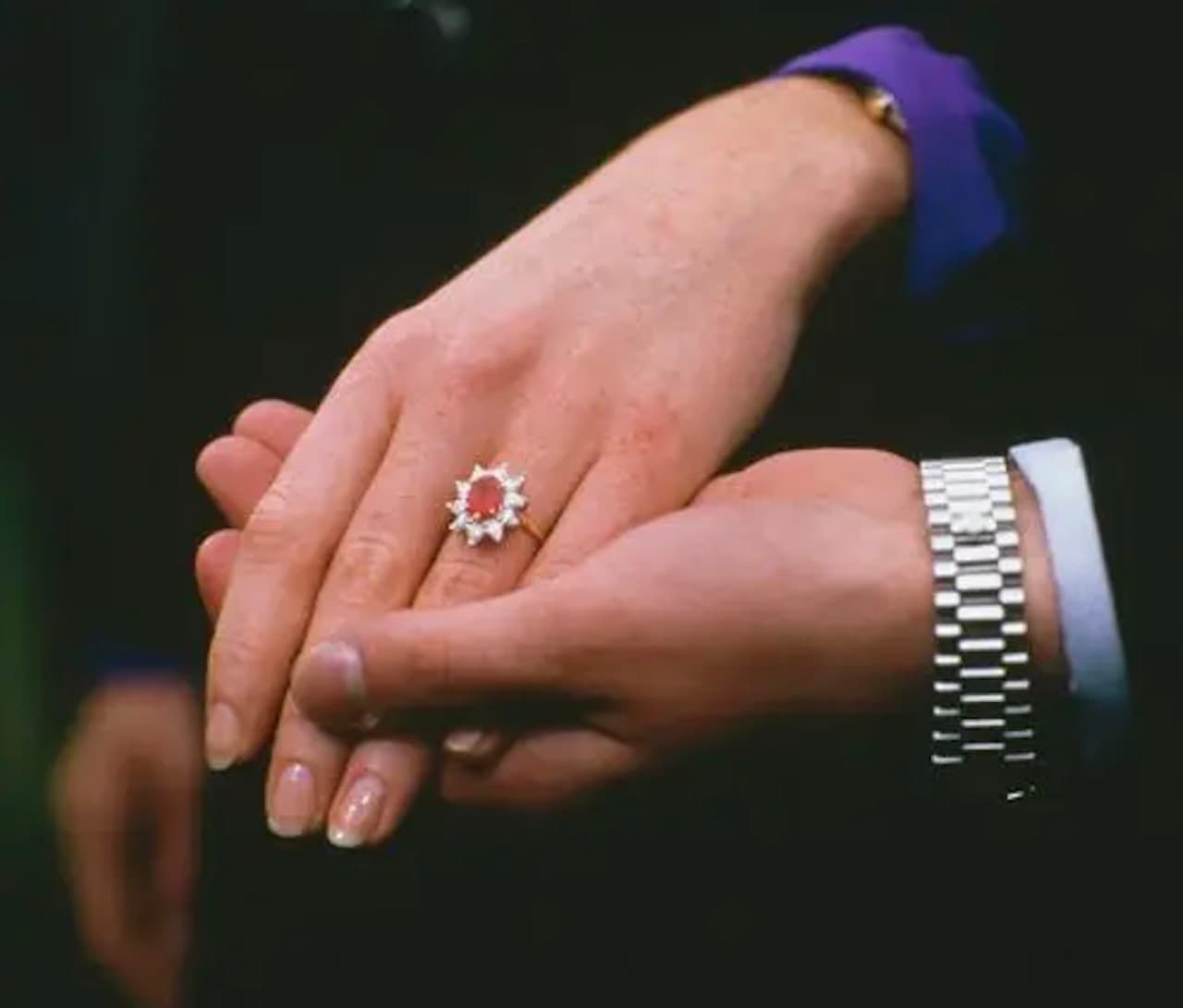
The royal connection runs through Queen Elizabeth II’s own engagement ring, which was crafted in 1946 by Philip Antrobus Ltd after Prince Philip commissioned it. The diamonds in that ring came from a tiara belonging to Princess Alice of Battenberg, adding a layer of intimate inheritance to an already emblematic jewel. It was not merely made for a princess; it was assembled from family stones, which is why the piece still carries such emotional charge.
That is the exact reason Harriet Sperling’s ring feels historically resonant 79 years later. The connection is not that she is wearing Queen Elizabeth II’s ring, nor that the design has been copied stone for stone. The link is institutional and genealogical: the same jeweller, the same archive, the same royal memory preserved through a house that helped define it.
Why the emotional layer feels believable
HELLO!’s royal editor Emily Nash noted that Peter was the late Queen’s eldest grandson and had a very close bond with her. That detail changes how the ring reads. It stops feeling like a borrowed royal symbol and starts feeling like a private family echo, shaped by affection rather than pageantry.
Peter Phillips himself reinforced that emotional register in a 2024 Sky News Australia interview, where he described Queen Elizabeth II as a “remarkable” grandmother. That word matters. It places the ring not in the realm of costume royalism, but in the more enduring territory of family remembrance, the place where jewelry often becomes most eloquent.
How to read a royal-design engagement ring
A ring like Harriet Sperling’s should be read through three lenses: design, provenance, and sentiment. The design language appears deliberately classical, which gives the historical narrative room to breathe. The provenance is unusually strong, because it can be traced through Pragnell to Philip Antrobus, the Bond Street house that made Queen Elizabeth II’s ring. The sentiment is unmistakably personal, because Peter Phillips’s relationship to the late Queen gives the connection real emotional weight.
- Heritage means little without records. Here, the Antrobus archive and the 1815 founding date give the story a paper trail.
- Royal symbolism matters most when it is specific. In this case, the link runs through the 1946 commission, the Princess Alice of Battenberg tiara, and the later Pragnell acquisition.
- Restraint can be more powerful than flash. A diamond ring with classical proportions feels especially apt when the backstory is this rich.
What makes the ring compelling is that it does not rely on spectacle to feel important. Its resonance comes from a documented jeweller, a real royal commission, and a family bond that still carries emotional force. That is why it feels less like a headline accessory and more like a jewel with memory built into its setting.
Know something we missed? Have a correction or additional information?
Submit a Tip