Ryan Seacrest Questions Engagement Rings, Says Couples May Prefer Houses, Vacations
Ryan Seacrest put the ring budget on trial, weighing a roughly $10,000 diamond against a vacation or house down payment as average U.S. spending comes in far lower.
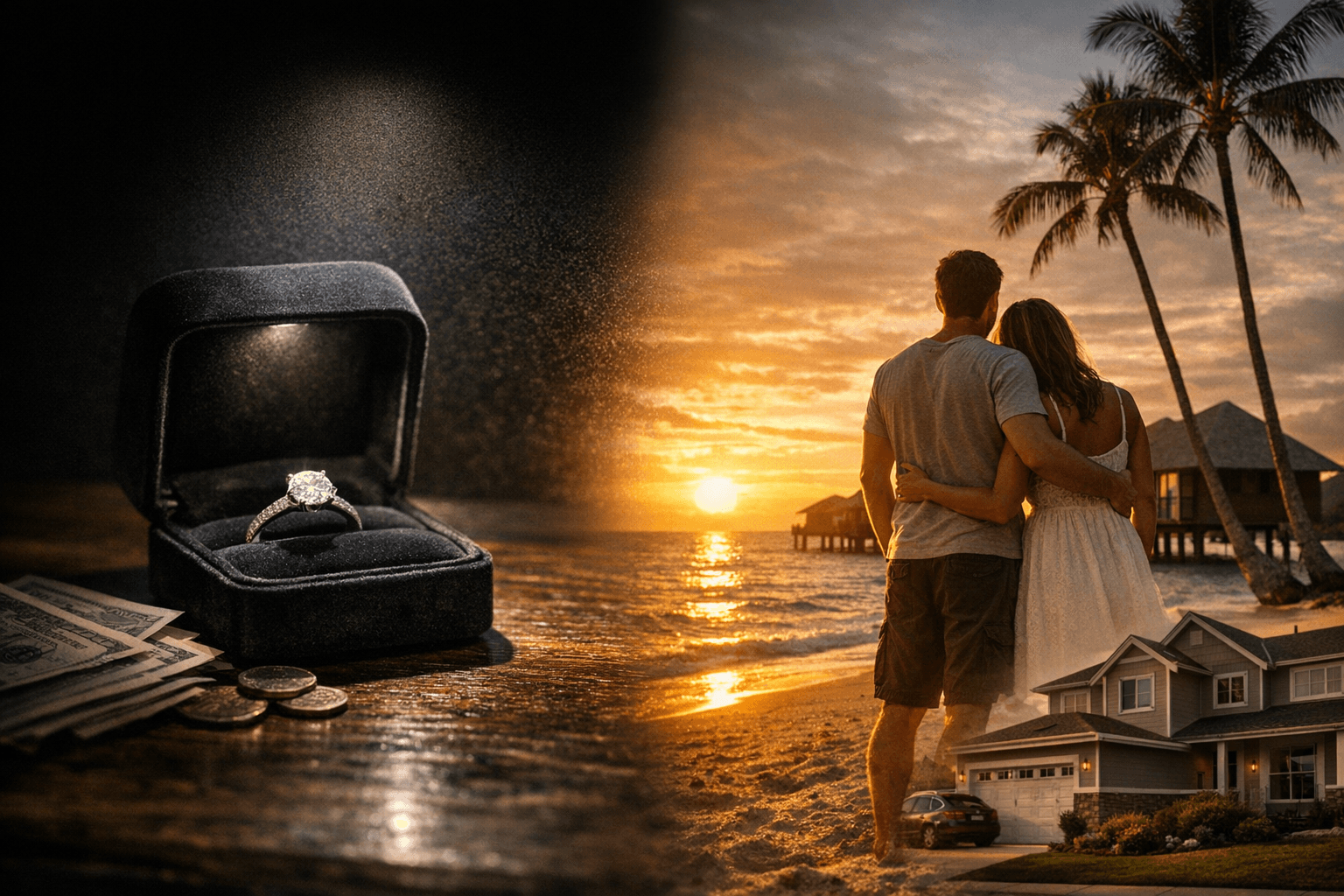
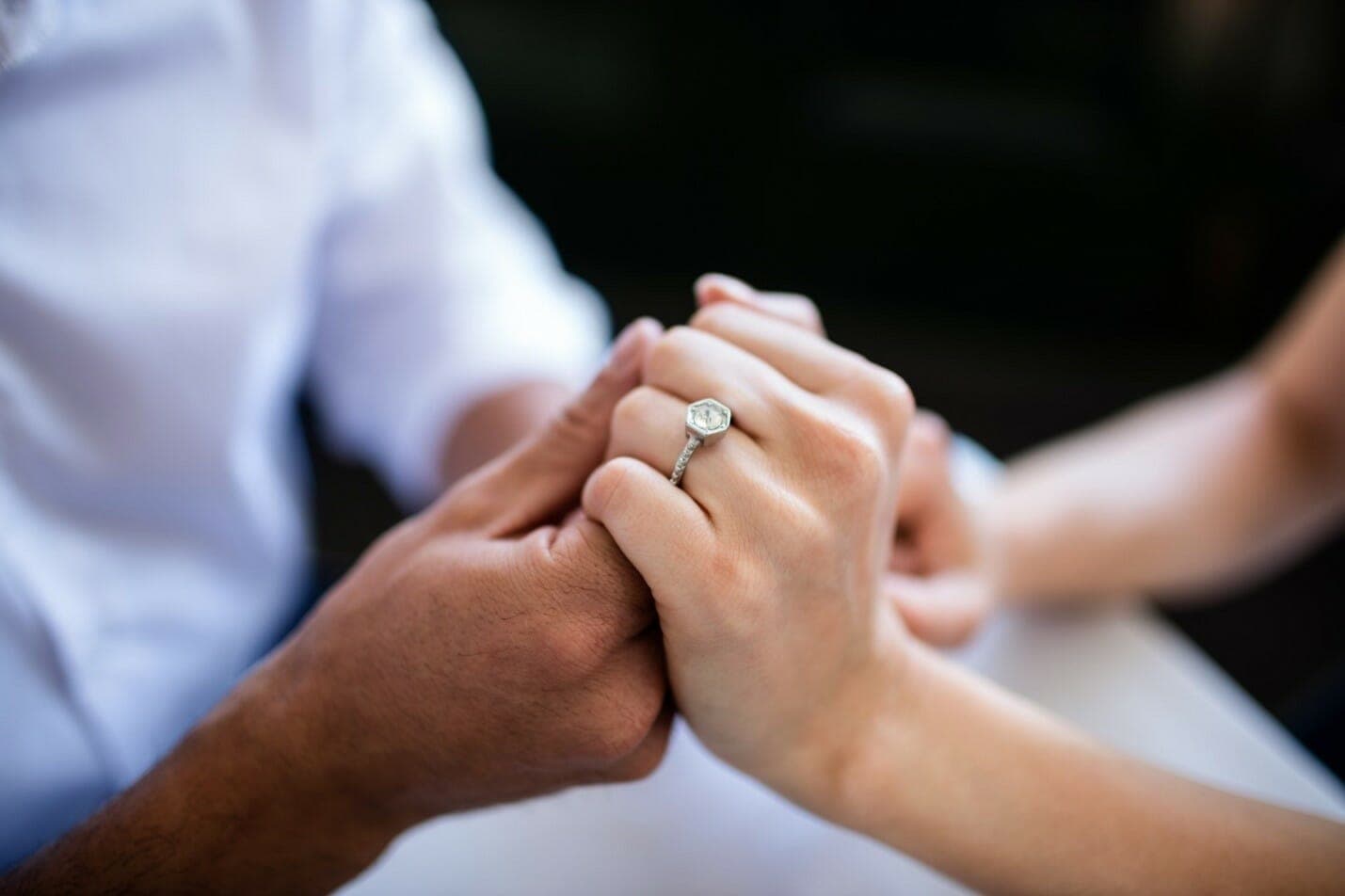
Ryan Seacrest put a familiar proposal ritual on the financial scale: if a couple is facing roughly $10,000, does that money buy a diamond, a vacation or a start on a house? On the April 7 episode of On Air With Ryan Seacrest, he questioned whether engagement rings are worth it at all and said some couples would rather put that money toward experiences instead of bling.
The numbers make the tension easy to see. Seacrest’s roughly $10,000 benchmark sits well above The Knot’s 2024 figure of $5,200 for the average U.S. engagement ring. The same study put the average at $5,500 in 2023, $5,800 in 2022 and $6,000 in 2021, a slow slide that suggests buyers have already been recalibrating. Jewelers Mutual’s 2024 study found respondents’ average ring value range between $2,500 and $5,000, and said the engagement ring is, on average, the third most expensive item consumers own, behind a home and a car.
That gap helps explain why Seacrest’s remarks resonated beyond celebrity chatter. A Sandals Resorts survey found 72% of couples would choose a vacation over an extravagant engagement ring. A 2025 survey of 2,000 U.S. adults in serious relationships, engaged or married found 65% felt engagement rings had become a financial burden, while 51% said they felt pressure from society and 49% from social media to spend big. The ring, once framed as a private symbol, now sits squarely inside a public budgeting contest.
The expectation itself is not ancient. BBC reporting has traced the one-month-salary rule to De Beers advertising in the 1930s, with the U.S. standard later stretching to two months’ salary by the 1980s. That history matters because it reminds buyers that the “right” price for a ring was manufactured as much as it was inherited.
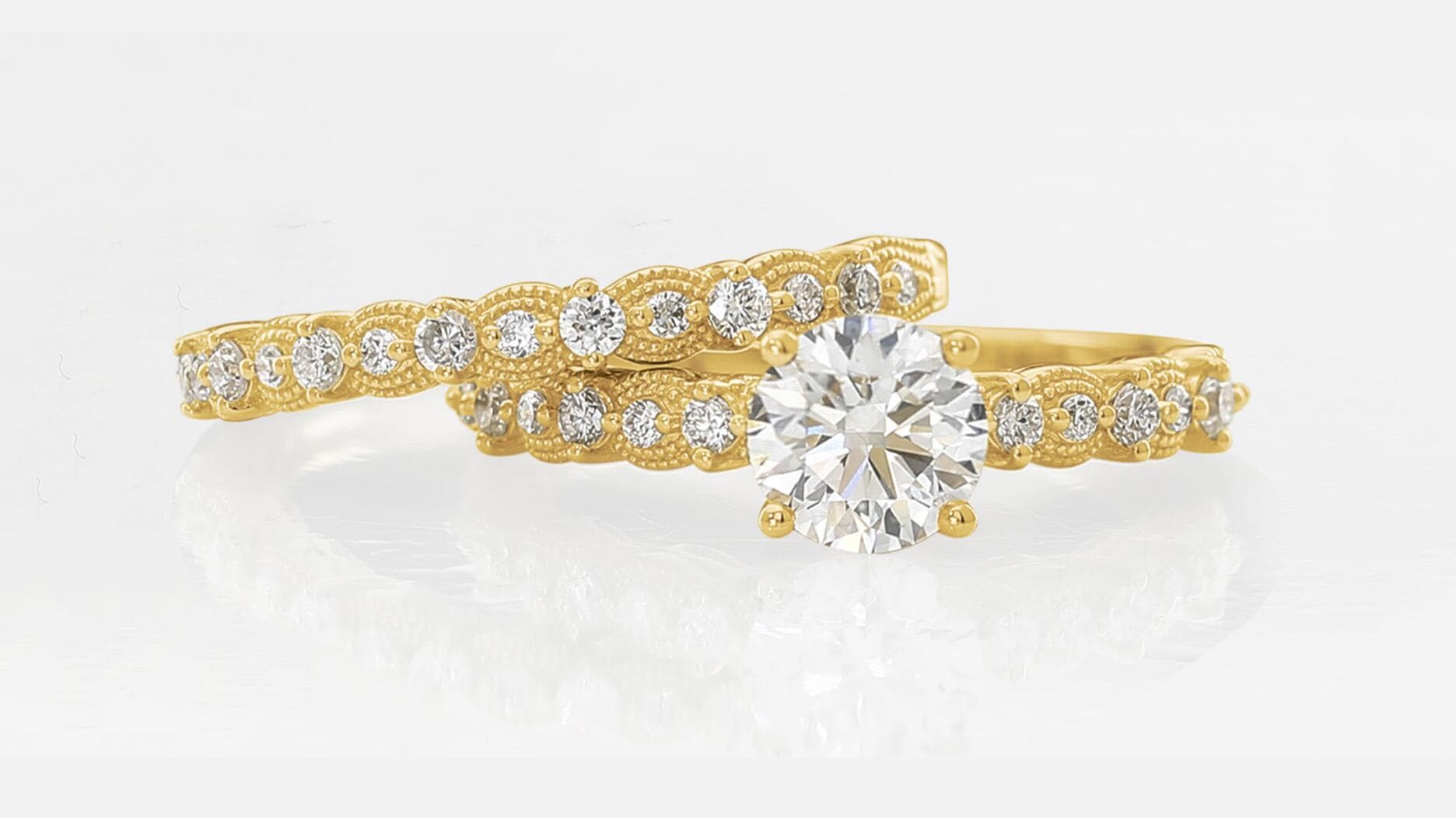
Today, the market is already answering Seacrest’s question in practical terms. One industry analysis found 52% of engagement rings were lab-grown, a signal that more couples are choosing size, brightness and design flexibility without paying the premium that a mined diamond can command. In that context, the smartest ring may not be the largest one, but the one that leaves room for a home, a honeymoon or simply a more personal piece of jewelry that still feels enduring.
This article was produced by Prism’s automated news system from verified source data, official records, and press releases, then run through automated quality and moderation checks before publishing. The system is built and supervised by the people who set the standards it runs under. Read our full AI policy.
Did this article answer your question?