Luxury and entry-level jewelry thrive as the middle softens
The market is splitting in two: shoppers under $1,500 are buying less, while luxury buyers keep spending on bridal, diamond studs and tennis bracelets, often in natural diamonds.
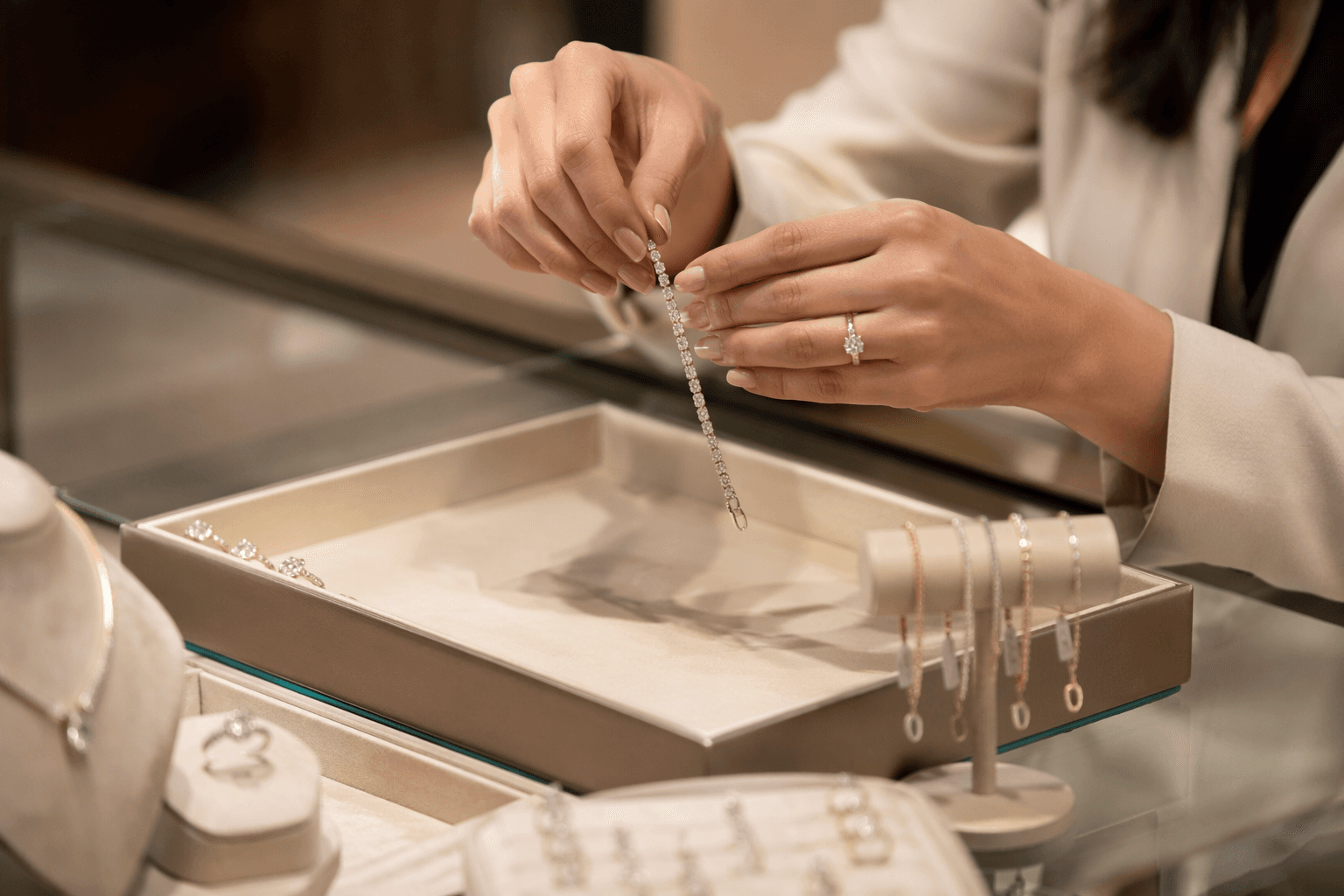
Luxury jewelry is being pulled to two poles at once. Buyers at the high end are still spending, entry-level pieces are still moving, and the softest ground is the middle, where generic designs are losing their hold as shoppers ask harder questions about craftsmanship, longevity and what a piece actually says.
That split was visible at COUTURE 2026 at Wynn Las Vegas, held May 27 to 30, where the show again positioned itself as the most exclusive and intimate destination for designer fine jewelry and luxury timepieces. Retailers from Marissa Collections, TWIST, Reinhold Jewelers and Borsheims were buying into a market that now rewards pieces with a clear point of view, not broad appeal for its own sake.
Edahn Golan of Tenoris has described the U.S. jewelry consumer base as increasingly divided into two groups. Shoppers below $1,500 are buying fewer pieces and spending less overall. Above that line, consumers are spending more, mainly by buying more units, with demand strongest in bridal jewelry, diamond stud earrings and tennis bracelets, most often set with natural diamonds. Golan says the middle of the market is shrinking, and brands that try to serve everyone risk serving no one particularly well.
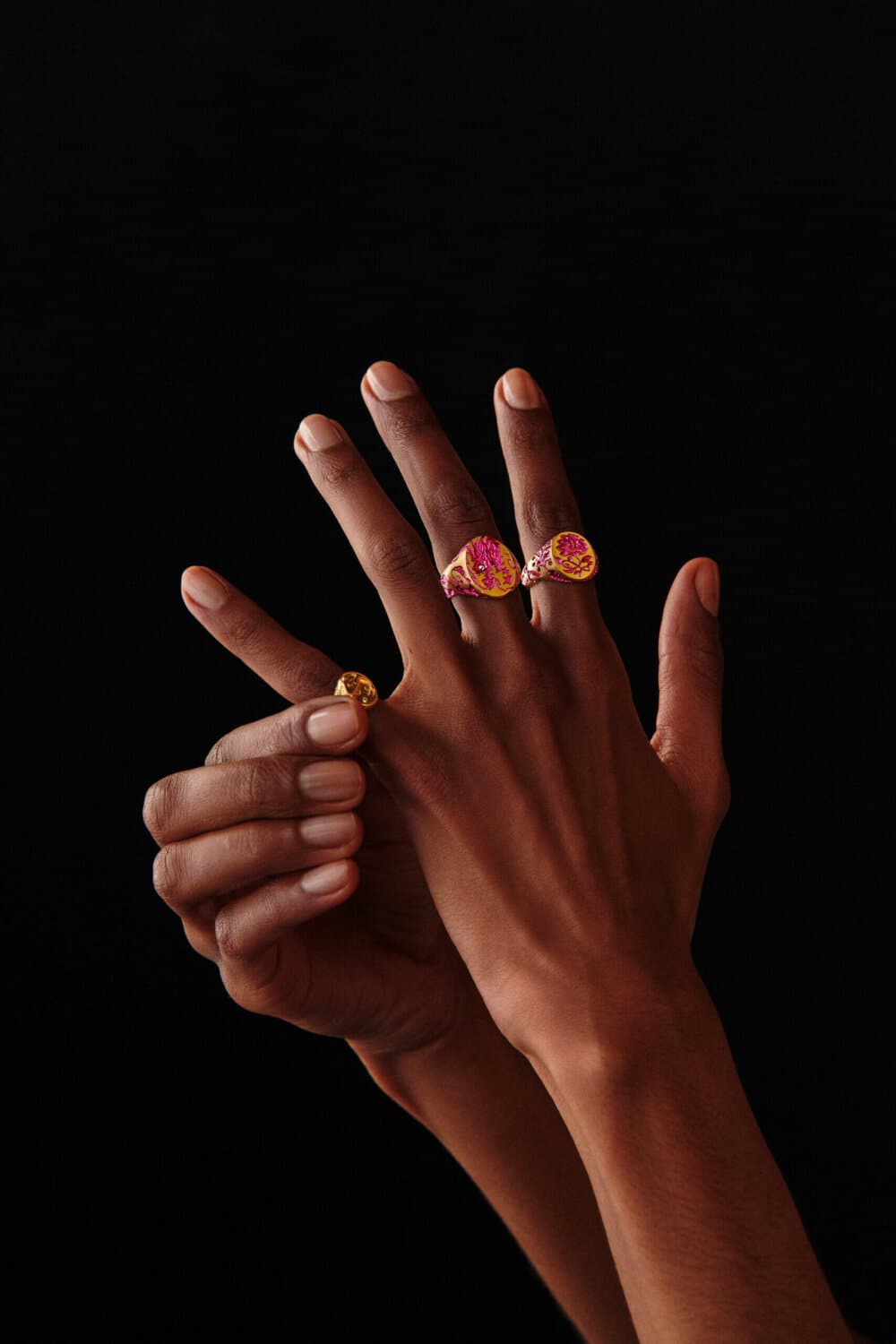
The pressure behind that divide is not just taste. Over the past six years, the category has been reshaped by COVID, geopolitical tensions, rising gold and silver prices, higher energy costs, tariffs, more expensive financing and volatile shipping and logistics. The World Gold Council said in its April 29 outlook that high gold prices are likely to keep taking a toll on jewelry demand, even as spending remains resilient, with tonnage demand expected to slip further in 2026. Bain & Company added broader luxury context, estimating global luxury spending at €1.44 trillion in 2025 and putting personal luxury goods sales at €358 billion, while the luxury consumer base lost about 20 million shoppers versus 2024.
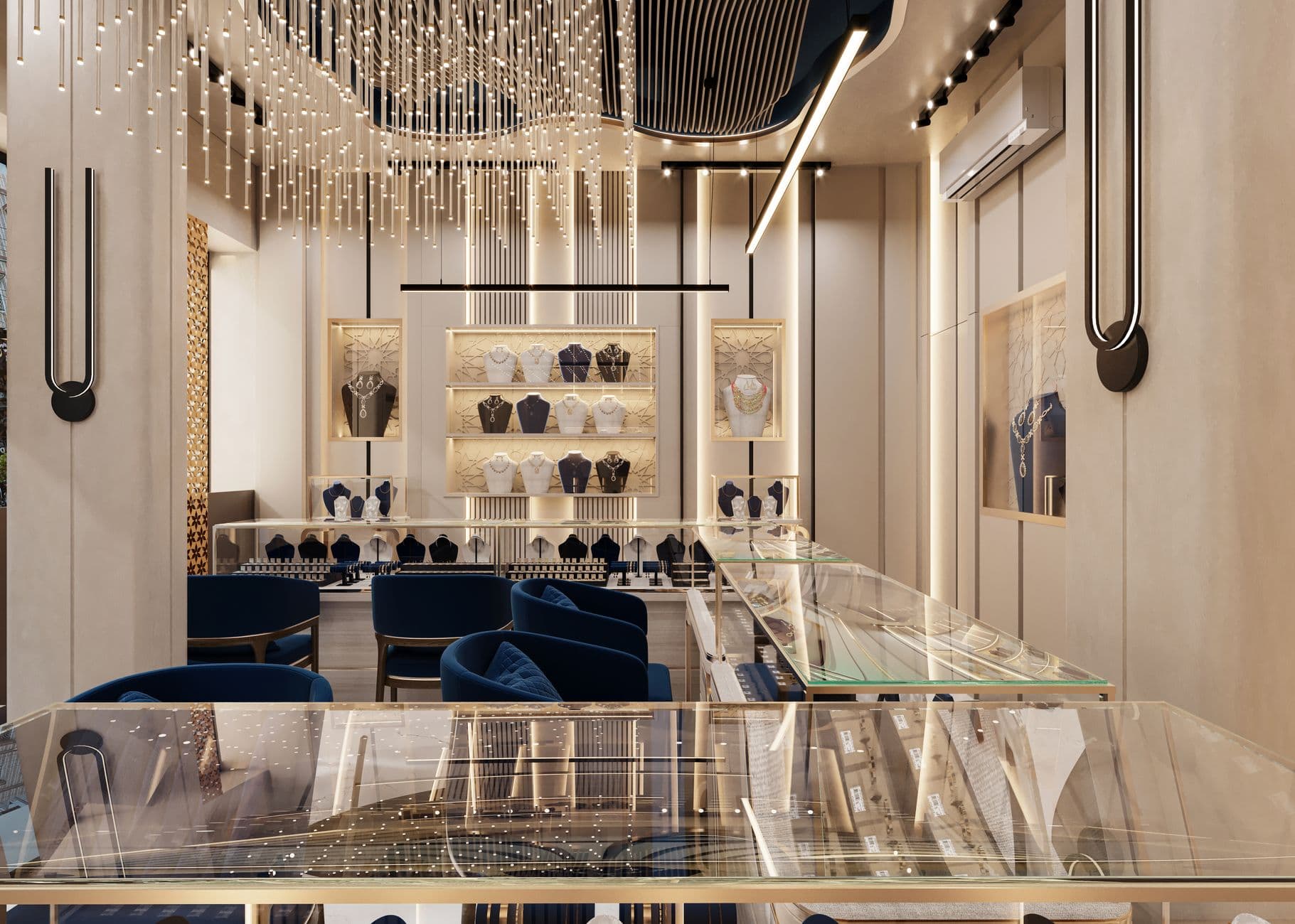
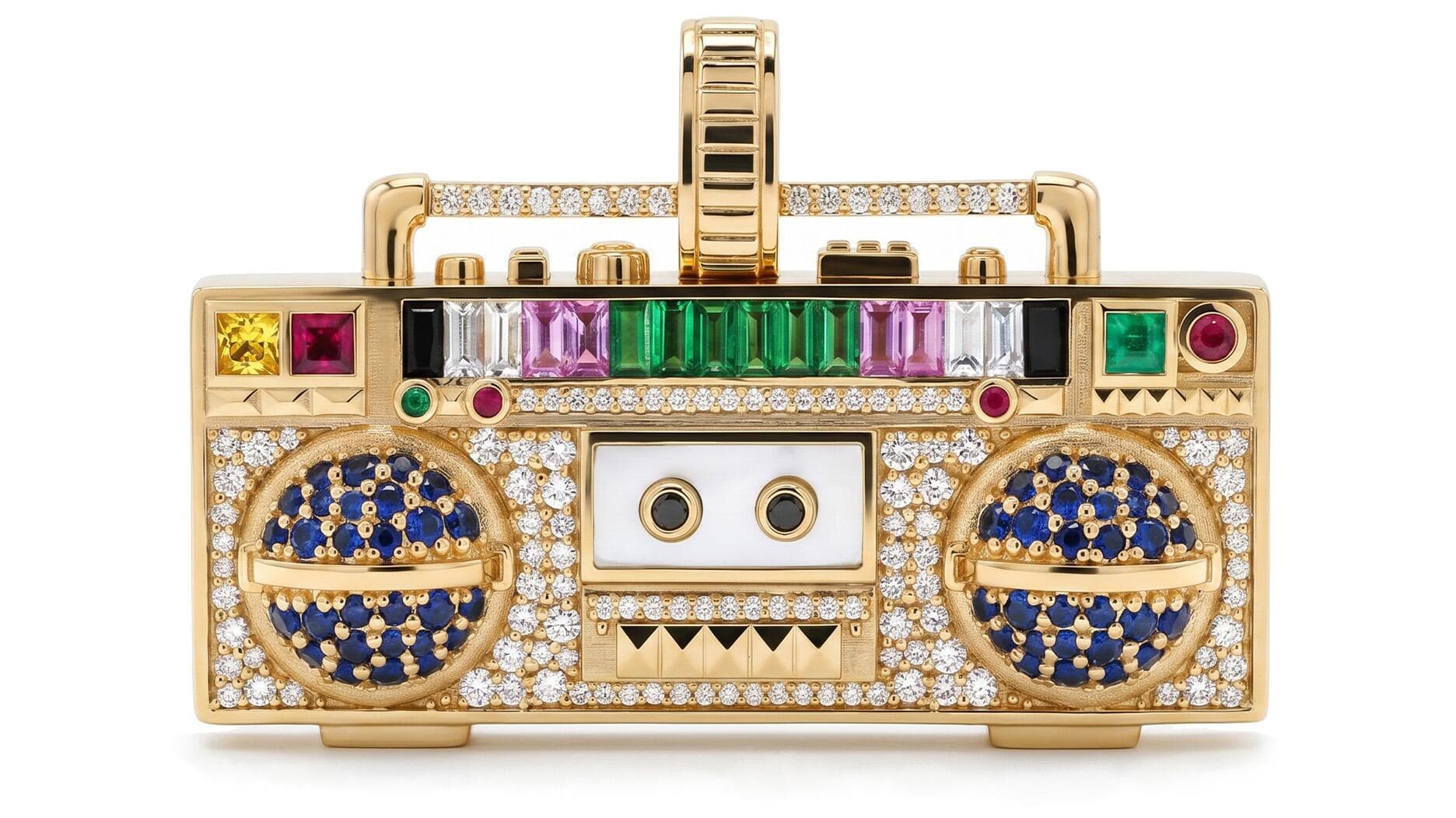
At Couture, the design language matched the market math. WWD’s trend coverage pointed to colorful gemstones, narrative-driven jewels, playful motifs, vintage influences and unconventional materials such as leather cords, shells and other organic elements. Retailers’ growing interest in estate jewelry and heirloom-worthy design suggests the same consumer logic: pieces that feel collectible, wear well and justify their price through material, construction and story. In a market this split, the strongest jewelry is the kind that can explain itself.
This article was produced by Prism’s automated news system from verified source data, official records, and press releases, then run through automated quality and moderation checks before publishing. The system is built and supervised by the people who set the standards it runs under. Read our full AI policy.
Know something we missed? Have a correction or additional information?
Submit a Tip