Smaller charms and spacer necklaces drive summer layering trend
Tiny pendants are becoming the easiest way to refresh a jewelry stack. Spacer-friendly charms, nostalgia, and high gold prices are making smaller buys feel smarter.
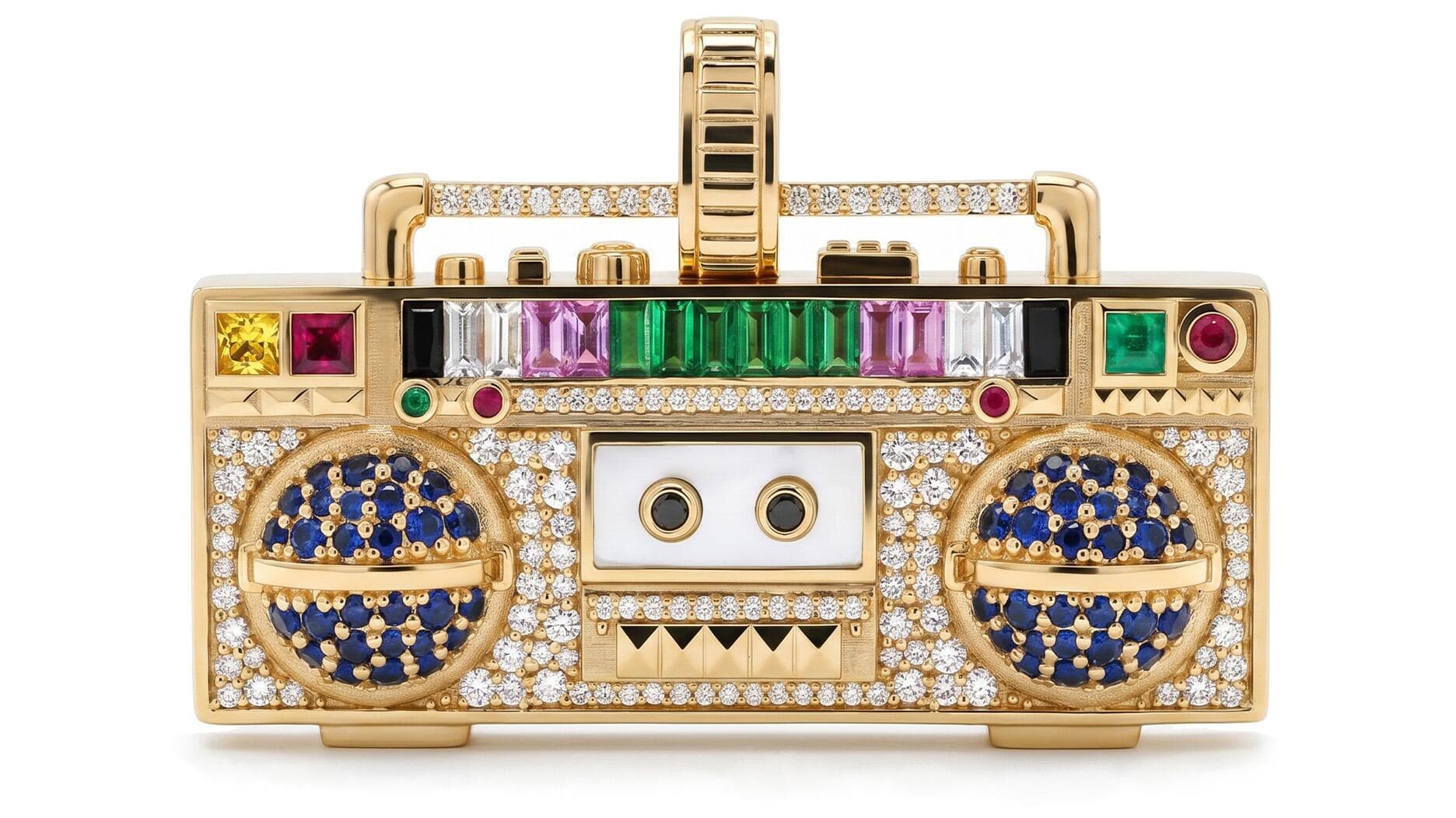
Tiny charms are becoming the easiest way to make old chains feel new again. National Jeweler’s latest charm edit treats the category less like a passing novelty and more like a practical summer wardrobe move: add a smaller pendant, slip in a spacer, and keep the necklace or bracelet you already own.
Why the charm boom is getting smaller
The clearest shift is scale. National Jeweler’s June 15 edit says the new wave of charms is moving toward smaller pendants and spacer-friendly necklaces, a sign that the trend is becoming easier to wear every day. Instead of building one overloaded cluster, the look now favors pieces that can stand alone or sit apart with room to breathe.
That matters because the charm story is no longer only about whimsy. National Jeweler frames the category as a collector’s item, helped by high metal prices, nostalgia jewelry, and the return of layered dressing. In other words, the appeal is emotional, but the buying logic is practical.
Nostalgia is doing real work here
Charm jewelry keeps resurfacing because it carries memory in a visible form. Amanda Gizzi, National Jeweler’s trend voice and a Jewelers of America spokesperson, has described charms as offering “endless layering possibilities” across bracelets, necklaces, and earrings, and that flexibility is part of the charm’s staying power. The pieces feel personal without requiring a full reset of the jewelry box.
That nostalgia also gives the trend a longer runway than a novelty silhouette usually gets. Charms are easy to attach to a story, whether the memory is literal, symbolic, or simply a return to the kind of playful jewelry many shoppers wore years ago. That emotional link is why the category keeps coming back in new sizes and materials.
Spacer-friendly necklaces change the formula
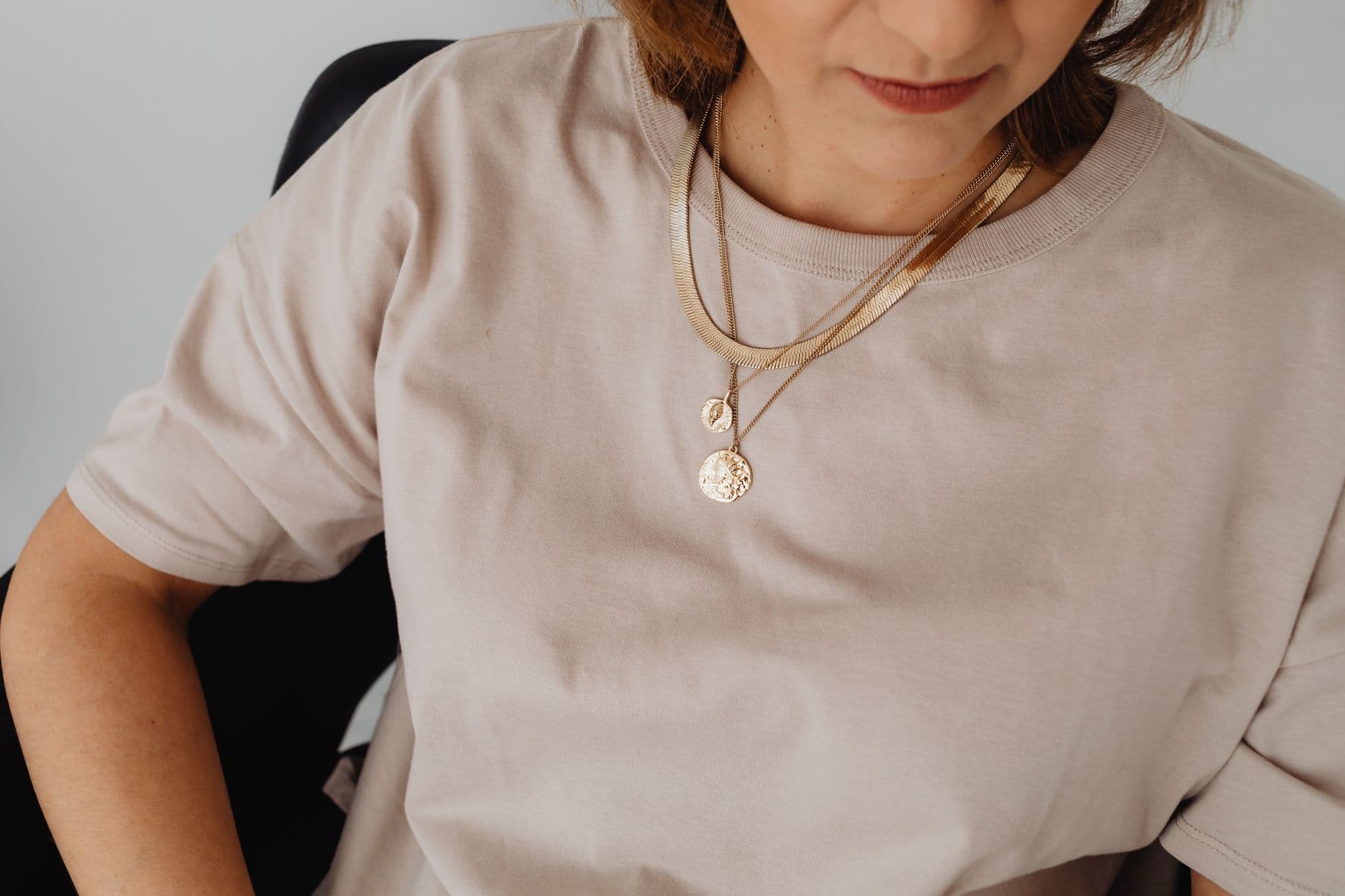
The most interesting design shift is not just smaller charms, but how they are being worn. National Jeweler says charm necklaces are increasingly designed for spacers so pendants can be displayed with visible separation instead of crowding together on one holder. That makes each charm easier to read, and it gives the necklace a cleaner, more considered line.
For shoppers, that design detail is what keeps the trend from looking overbuilt. A spacer-friendly necklace can hold one or two pieces without collapsing into a tangle, which means the look can move from casual daytime wear to a more polished evening stack. It is layering, but with structure.
Charm bracelets still anchor the category
Bracelets remain the original home for charms, and they are still central to the revival. The appeal is straightforward: a charm bracelet can be built slowly, piece by piece, and each addition changes the feel of the whole object. That slow accumulation is part of what makes the category collectible.
The new version of the bracelet trend is less about heavy jangling and more about curation. Smaller charms keep the bracelet wearable, while the mix of metal, enamel, and stones allows the piece to shift from playful to refined. That balance is important if the goal is to buy something that still feels right after the current wave peaks.
Sterling silver keeps the entry point low
Among the 13 charms National Jeweler spotlights, sterling silver stands out as the most accessible doorway into the trend. It gives shoppers the charm look without pushing the piece into fine-jewelry territory, and it also makes it easier to experiment with scale and placement. For first-time buyers, that lower entry price is part of the category’s renewed momentum.
Sterling silver also works well when the point is layering rather than status. A smaller silver charm can sit beside existing chains without overwhelming them, which is exactly why the category is being treated as a practical refresh. It is an easier yes than buying a whole new necklace stack.
9-karat gold makes gold feel attainable again
Nine-karat gold gives the trend another useful lane. It offers the visual warmth of gold while staying lighter in price than higher-karat options, which matters in a market shaped by record metal prices. That makes it especially appealing for shoppers who want the look of gold jewelry without committing to a much heavier spend.
The material also fits the current mood because smaller charms make gold feel less intimidating. A tiny pendant in 9-karat gold can read as a daily piece rather than a special-occasion purchase, which is exactly the kind of wearability that helps a trend survive after the initial burst of attention fades.
Enamel adds color without adding bulk
Enamel charms bring a different kind of appeal: color, clarity, and a slightly more graphic finish. They are useful when the goal is to refresh a chain without increasing the visual weight of the jewelry. In a season built around lightness, enamel keeps the look playful while staying compact.
That compactness is part of the category’s appeal right now. A small enamel charm can punctuate a bracelet or necklace with a bright note, and because it is not dependent on large metal volume, it can feel like a smart buy in a high-price market. It gives the stack personality without making the piece feel overdone.
Gemstone charms add permanence to the mix
Gemstone pieces give the charm revival more durability in both look and feel. A stone-set charm reads as a keepsake rather than a season-only accessory, and that helps explain why the category is being framed as collectible. Even when the size stays small, the materials can carry enough weight to feel enduring.
This is also where the category becomes interesting for collectors. A gemstone charm can anchor a bracelet or necklace the way a pendant normally would, while still leaving room for future additions. That flexibility is what lets the trend function as a long-term wardrobe investment instead of a disposable seasonal flourish.
Buddha Mama’s Evil Eye charm shows the high end of the trend
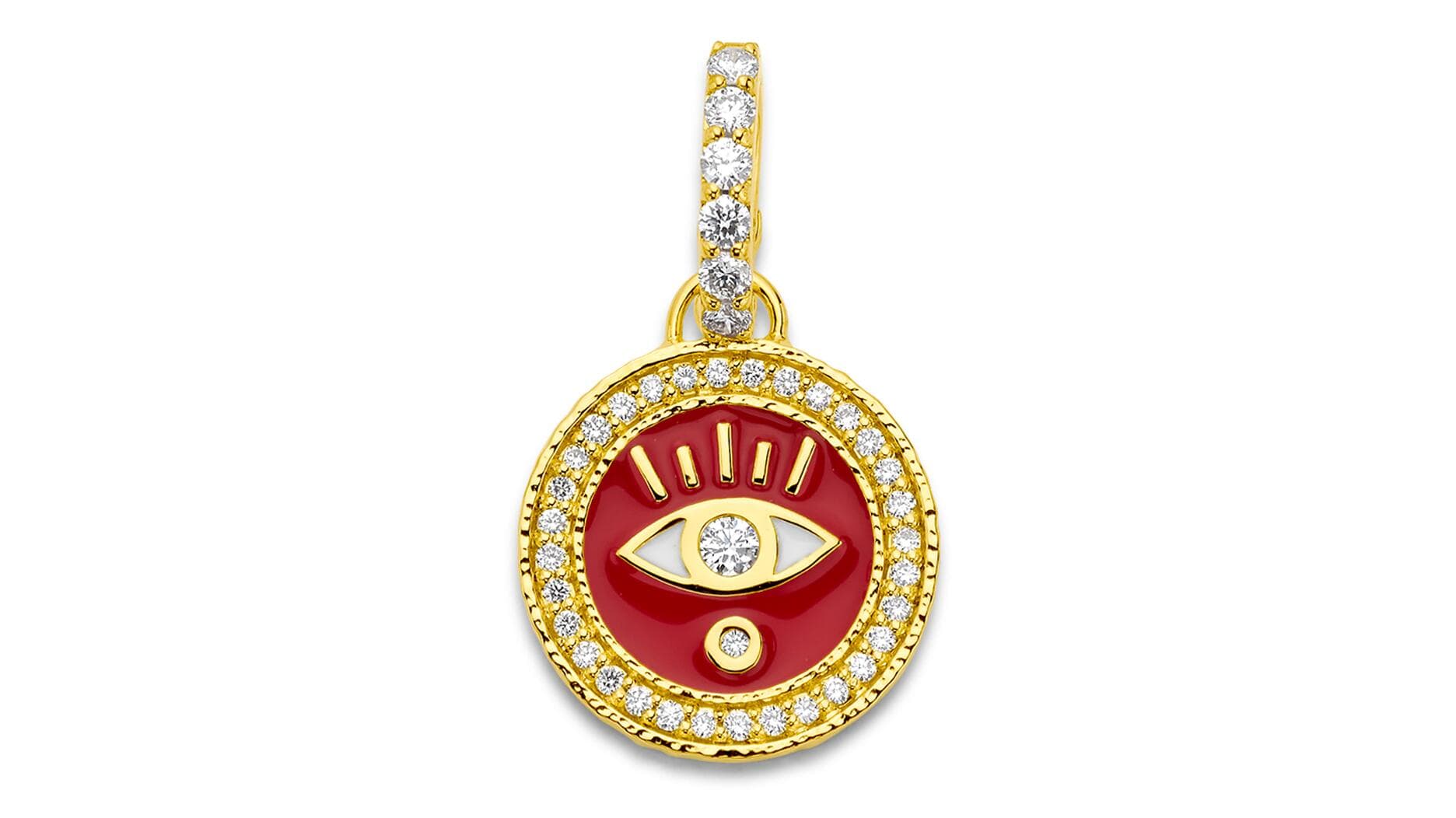
One of the most striking pieces in the edit is Buddha Mama’s Evil Eye charm, priced at $4,050. The price puts a hard number on how far the category stretches, from easy-entry silver all the way to richly finished gold jewelry with strong symbolic appeal. It also shows that the charm revival is not limited to cute or casual pieces.
The Evil Eye motif has its own built-in longevity because it is both decorative and protective in feel. In a smaller format, that symbolism becomes even more wearable, since the charm can sit quietly on a chain and still carry meaning. It is the kind of piece that can outlast the trend cycle if the craftsmanship holds up.
The charm revival is not happening in a vacuum
This return has been building for a while. JCK reported in August 2024 that charm bracelets and necklaces were expected to surge with Gen Z shoppers, citing social-media popularity and eBay’s June 2024 search data, which placed charms and charm necklaces among top searches. Claire’s also launched an exclusive charm collection with Theme, the brand created by 15-year-old designer Ariella Maizner.
That matters because it shows the category is crossing age groups and price points at once. Younger shoppers are meeting it through social media and mall retail, while more seasoned jewelry buyers are rediscovering it through layered styling and collectible design. Few categories move cleanly from teen retail to fine-jewelry conversation, but charms have managed exactly that.
Why social media keeps feeding the look
Charms are built for visual shorthand, which is part of why they travel so well online. A small pendant can carry a mood, a hobby, or a symbol in one glance, and that makes it easy to post, share, and replicate. The category’s return fits a broader appetite for jewelry that tells a story immediately.
That story-rich quality is also why the trend keeps linking back to nostalgia. Post-pandemic buying behavior has continued to favor pieces that feel personal and memory-laden, and charms sit right at that intersection. They are easy to recognize, easy to collect, and easy to make your own.
High gold prices are pushing the market toward smaller buys
Bloomberg reported in 2025 and again in 2026 that gold hit record highs, and that context helps explain why tiny charms are gaining traction now. Smaller pieces give shoppers the look of gold without the same metal outlay, which is especially relevant when record prices are affecting jewelry demand. Bloomberg also reported in January 2026 that India’s gold imports were expected to fall as high prices weighed on jewelry demand, with the World Gold Council cited in that outlook.
For shoppers in the United States, that price pressure may actually strengthen the case for charms. A smaller pendant can satisfy the urge to buy something new, while still feeling grounded in real materials and easy wear. In a season defined by layering, the smartest pieces are the ones that can refresh what is already in the box and still feel right when the trend moves on.
The real win is wearability after the trend peak
The strongest charm pieces now share one trait: they are easy to keep wearing. Smaller pendants, spacer-friendly necklaces, and compact bracelet charms do not depend on a maximalist look to make sense. They can stand alone, build slowly, and stay relevant long after the seasonal rush has passed.
That is why this revival feels sturdier than a simple nostalgia flashback. It is a category being reshaped by cost, construction, and styling logic, with enough variety in silver, 9-karat gold, enamel, and gemstone versions to suit different budgets. The result is a charm boom with actual staying power, not just a cute moment.
This article was produced by Prism’s automated news system from verified source data, official records, and press releases, then run through automated quality and moderation checks before publishing. The system is built and supervised by the people who set the standards it runs under. Read our full AI policy.
Know something we missed? Have a correction or additional information?
Submit a Tip