Tips for Keeping Your Jewelry at Its Most Valuable as Gold and Silver Surge
Gold at nearly $4,700 an ounce and silver up 142% in a year means your jewelry box deserves a serious second look.
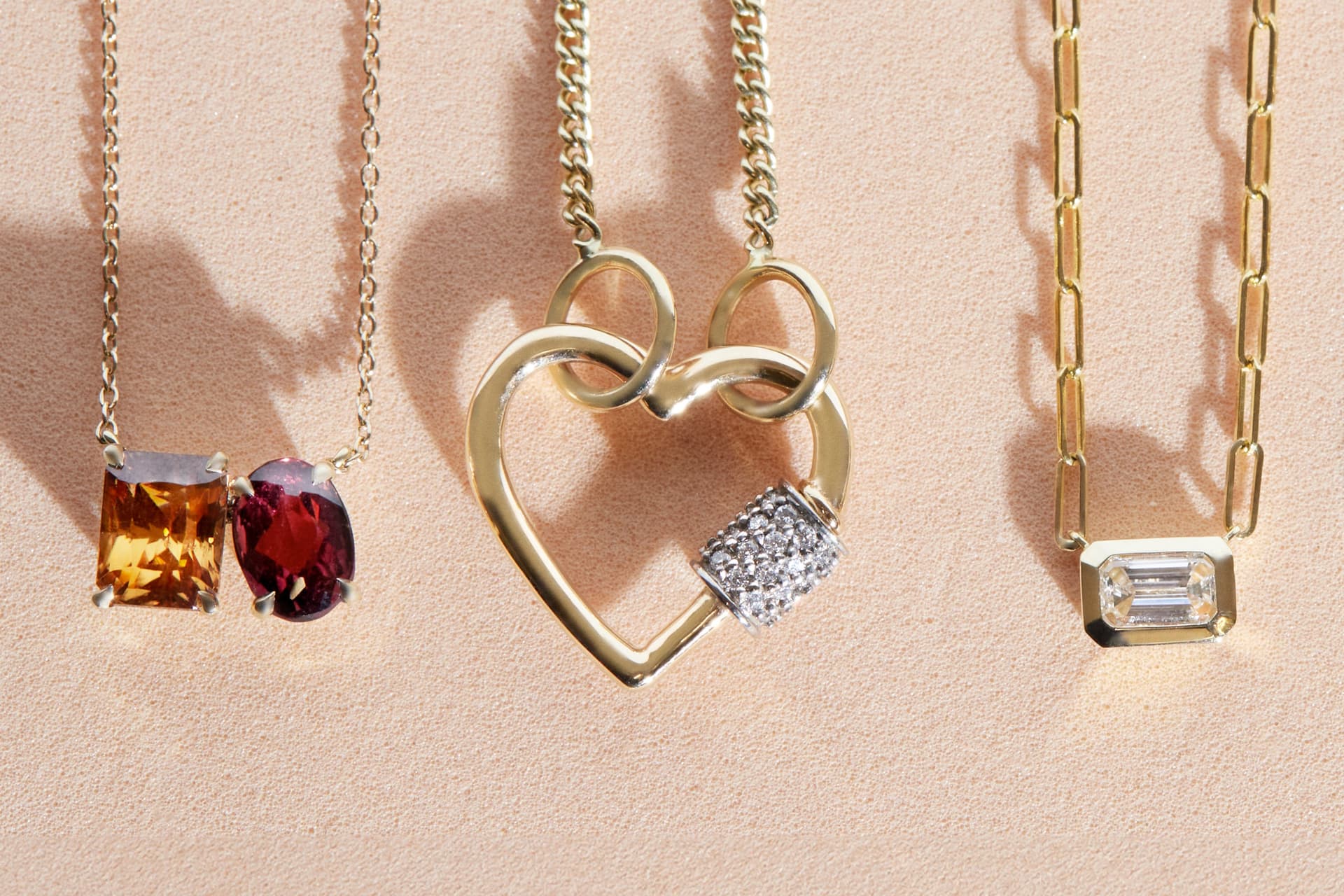
Gold crossed $4,677 per ounce in the first week of April 2026, up more than $1,640 from the same point a year earlier. Silver surged more than 142% through 2025 while gold posted a 66% gain, its strongest annual performance since 1979. J.P. Morgan Global Research projects silver averaging $81 per ounce in 2026, more than double its 2025 average. Numbers like these tend to change how people think about the pieces sitting in their top drawer. A strand of pearls or a platinum pavé band is no longer just something you inherited or wear to dinner. It is, in the most literal sense, a financial asset, and it deserves to be treated as one.
Know What You're Actually Worth
A certified jewelry appraiser, ideally accredited by organizations like the American Gem Society (AGS) or the Gemological Institute of America (GIA), can provide a formal evaluation using industry-standard tools and databases. In a rising precious-metals market, yesterday's appraisal is almost certainly an undervaluation. Jewelers Mutual recommends getting an updated appraisal every two years, but the pace of this particular rally makes a case for doing it sooner. Keep written documentation of each piece, ideally alongside photographs and any certificates of authenticity or grading reports. This paper trail protects you for insurance claims, estate planning, and resale.
Cleaning: Material Matters More Than You Think
Routine cleaning is the simplest form of value preservation, and also the easiest to get wrong. Pearls and opals are particularly sensitive and can be harmed by strong chemicals; a soft cloth and a mixture of water with a few drops of mild detergent are usually sufficient for routine maintenance. For diamonds, mild detergent or a sudsy ammonia bath is appropriate. The rule that applies universally: rinse thoroughly. Soap residue left in the grooves of a pavé setting or along the girdle of a stone attracts grime and can dull the metal over time. Avoid soaking jewelry, especially pieces with glued components or porous stones, as this can weaken adhesive and cause damage. Ultrasonic cleaners, while effective for certain diamonds and hard stones, should never be used on emeralds, tanzanite, pearls, or any treated stone without explicit guidance from a gemologist.
Professional Inspections: The Prong Check You're Skipping
At-home cleaning keeps a piece looking good; professional inspection keeps it structurally sound. Inspections and cleanings carried out by a professional jeweler can help preserve a piece's aesthetic beauty and provide peace of mind. The specific thing to ask a jeweler to examine: your prong tips. A worn or bent prong on a solitaire setting is the single most common way stones are lost, and it is invisible to the naked eye until the stone has already shifted or disappeared. Bezel settings, which wrap the stone's girdle in a continuous rim of metal, are more forgiving in this regard, which is part of their appeal for active wearers. Twice-yearly professional inspections are strongly recommended for any piece worn regularly. At elevated gold prices, re-tipping a prong costs far less than replacing a lost stone at today's market rate.
Storage: The Case for Anti-Tarnish and Climate Control
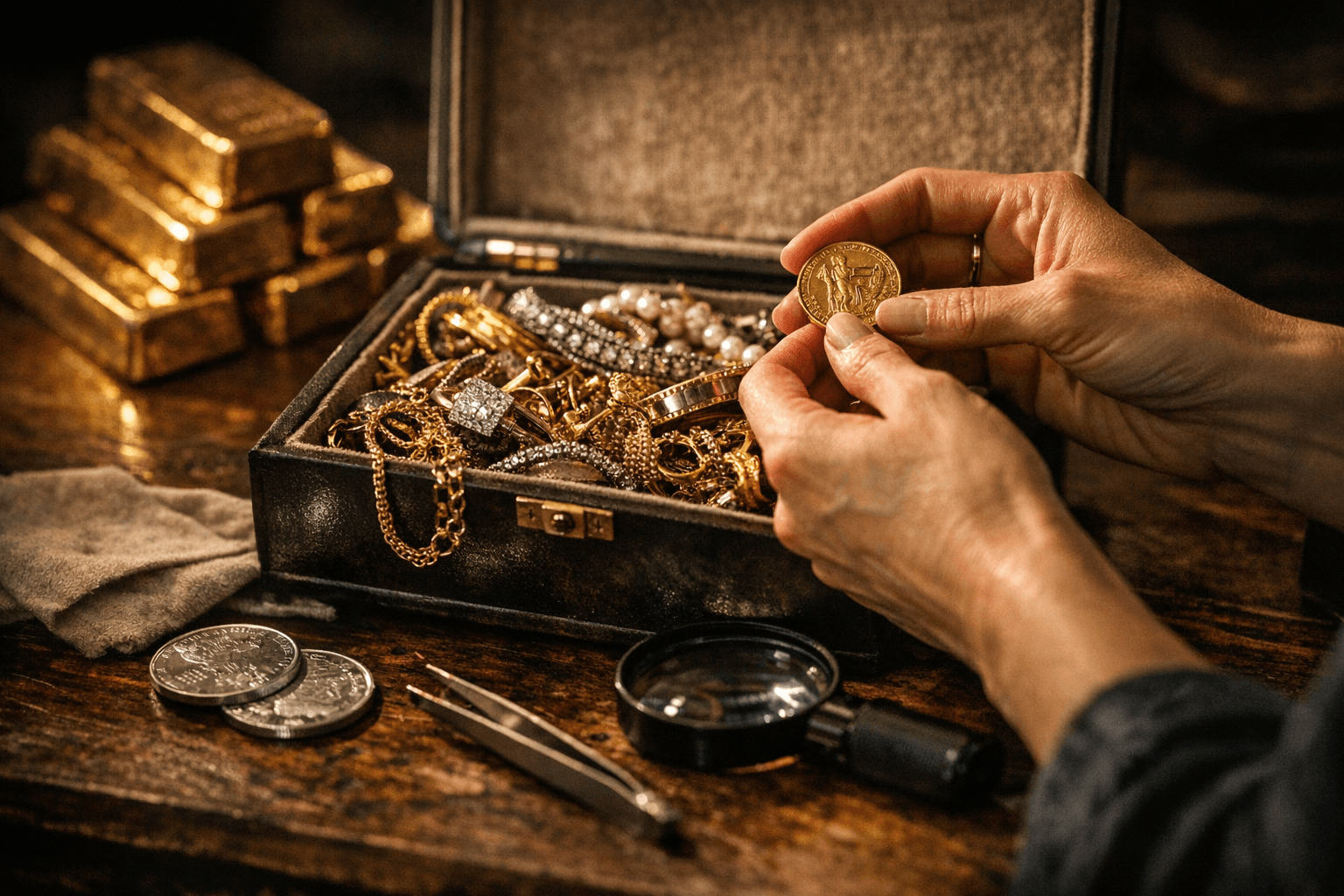
Where you keep jewelry when you're not wearing it is as important as how you clean it. Sterling silver tarnishes faster when humidity climbs above 60%, and porous stones like opals and pearls are particularly vulnerable to moisture and climate fluctuation. Keeping jewelry in a cool, dry space with a relative humidity of 45 to 50 percent, using airtight containers or jewelry boxes with anti-tarnish lining, is the most effective preventive measure. For high-value pieces, the bedroom dresser is not sufficient. A secure home safe with the appropriate fire and theft rating, or a bank vault, is the recommended option for the most valuable items. Anti-tarnish strips placed inside sealed bags provide an additional buffer for silver and silver-set pieces stored at home.
Traveling introduces its own risks. When taking jewelry on trips, keep expensive items with you at all times or use a hotel safe; never pack them in checked luggage or wear valuable pieces to the pool or beach. Chlorine and saltwater are corrosive to both metals and stones, and the damage they cause, including pitting in gold alloys and surface erosion on pearls, is permanent.
The Wear-vs.-Reserve Calculation
This is the question the precious-metals rally has made newly complicated. There is real value in wearing heirloom pieces, in the emotional connection and the life a worn ring or bracelet accumulates. But there is also a sensible argument for reserving your highest-value items for specific occasions and building a separate vocabulary of everyday pieces that can withstand genuine wear. A well-made piece in stainless steel or solid 14k or 18k gold, rather than gold-plated or gold-filled, will hold up to daily contact with water, cosmetics, and friction in ways that plated alternatives simply will not. PVD (physical vapor deposition) coating is the finishing process worth seeking out if you want color durability on non-precious metals: it bonds the finish at the molecular level, making it significantly more resistant to wear than standard plating. The distinction between "gold-colored" and "gold" matters enormously when you're talking about a piece you'll wear every day.
The Watches Deserve Attention Too
Broken or scratched crystals on watches should be replaced immediately, because even hairline cracks can allow dust or moisture into the mechanism and threaten its accuracy. The clasp should also be checked periodically to prevent accidental loss. At current gold spot prices, a vintage gold-case watch that has been neglected or poorly maintained represents a significant missed opportunity, both as a wearable object and as an asset.
What to Do Right Now
If it has been more than two years since you had a key piece appraised, schedule that appointment. If your silver is stored loose in a drawer, invest in anti-tarnish pouches. If you rely on a single prong-set ring every day, ask your jeweler to inspect the tips. These are small, inexpensive actions against a backdrop of precious-metal prices that have made fine jewelry one of the more quietly significant assets many people own. The rally may continue or it may correct, but a well-maintained, properly documented piece retains its value across both scenarios.
This article was produced by Prism’s automated news system from verified source data, official records, and press releases, then run through automated quality and moderation checks before publishing. The system is built and supervised by the people who set the standards it runs under. Read our full AI policy.
Did this article answer your question?