Why sapphire remains a durable favorite in everyday jewelry
Sapphire earns its place in daily jewelry because corundum gives it both broad color choice and 9-on-Mohs durability. The right cut and setting turn that strength into pieces you can actually wear.
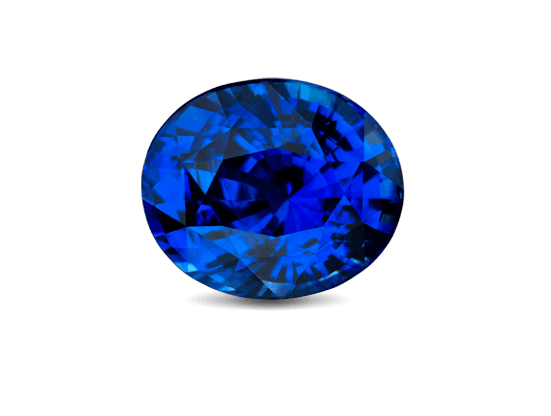
A blue sapphire ring can look polished at breakfast and still survive the rest of the day. Its appeal is not just the blue most people picture first, but the way corundum gives you a wide spectrum of shades, real hardness, and enough visual range to suit a ring, a pair of studs, or a pendant without feeling precious in the fragile sense.
What sapphire actually is
Sapphire is any corundum that is not ruby red, which is why the category feels so broad. Blue is the most familiar face of the gem, but the category also includes so-called fancy sapphires in violet, green, yellow, orange, pink, purple, and intermediate hues. Blue stones get their color from elements such as iron and titanium, a reminder that the stone’s look is driven by chemistry as much as by fashion.
In everyday jewelry, the stone can do two jobs at once: it can read as a personal signature and still behave like a practical staple. A deep blue oval in gold feels formal enough for a workday suit; a pink or yellow sapphire in a smaller scale can look softer and more playful without losing the durability that keeps the piece in rotation.
Why sapphire wears so well
Sapphire sits at 9 on the Mohs hardness scale, which places it among the hardest natural gemstones used in jewelry and explains why it shows up so often in rings, earrings, and pendants meant for constant wear. It is one of the Big Three colored gemstones, alongside ruby and emerald, and the September birthstone. The gem has been cherished for thousands of years and long associated with royalty.
Hardness, though, is not the same as toughness. Even a hard stone can chip if struck, which is why sapphire works best in everyday pieces when the setting is part of the design rather than an afterthought. A stone that can handle regular wear still benefits from a mount that keeps its edges guarded and its table from taking direct hits.
Color is the first design decision
The easiest way to shop sapphire intelligently is to look at color family before you look at carat weight. Overly dark blue or greenish-blue sapphires, along with less saturated grayish-blue or yellow stones, are often more affordable than vivid, richly saturated examples. That gives you a useful buying lens: a sapphire should look alive in ordinary light, not merely dark.
For a daily ring, a medium to vivid blue often gives the cleanest balance of presence and wearability. For earrings, you can get away with a slightly lighter or more unusual shade because the stones sit close to the face and pick up light differently. Fancy sapphires are especially convincing in small sizes, where violet, pink, or yellow can read as crisp accents rather than novelty.
Cut and setting change how durable the jewel feels
Cut shapes the stone’s personality, but it also affects how safely it sits in the piece. Pear and emerald cuts are styling options, and those shapes can work beautifully when the setting protects the corners and points. Softer-looking shapes are not a problem on their own; they simply ask for better engineering.
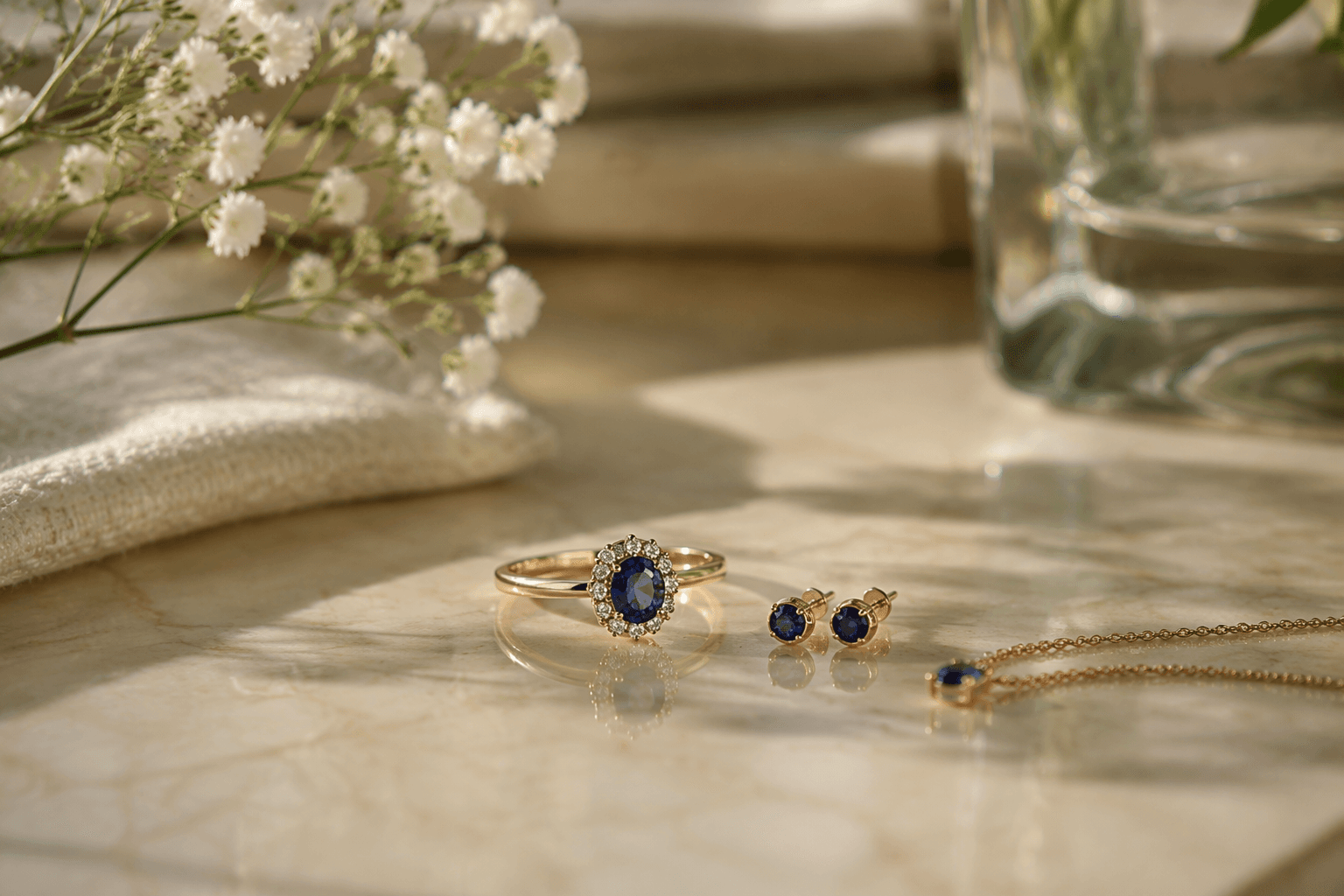
Setting style is where durability becomes visible. Prong settings show more of the stone and usually maximize sparkle, while bezels wrap the gem in metal and give the edges more protection. For a sapphire ring worn through commutes, hand-washing, laptop work, and the occasional bump against a bag clasp, a bezel or a low-profile mount usually makes more sense than a tall crown of prongs.
Ring scenario: the office sapphire
A blue sapphire ring in a bezel setting is one of the strongest everyday combinations in the category. The stone can be an oval, round, or emerald cut, but the point is the same: the metal should sit close enough to the girdle that the stone does not feel exposed. This is the kind of ring that can replace a stack, giving you one centered point of color instead of several delicate bands.
Earring scenario: sapphire that stays useful
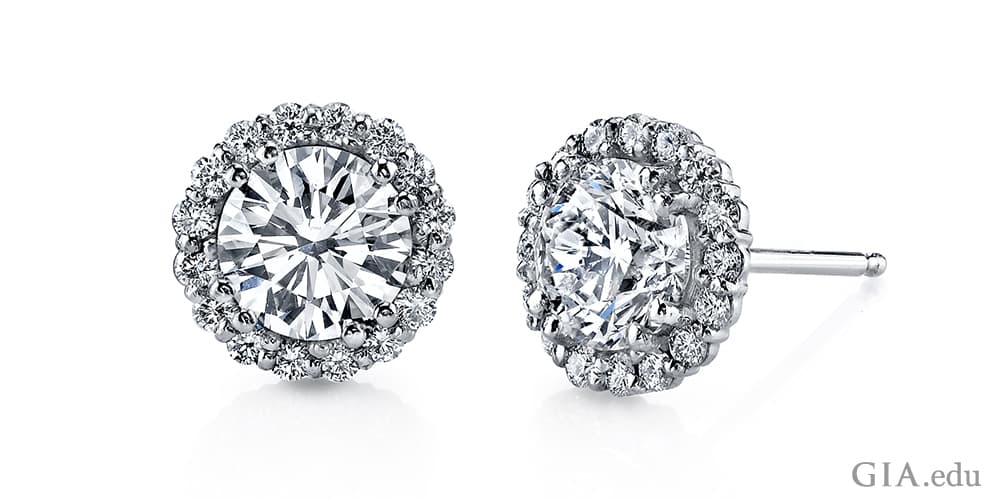
Studs and small drops are where sapphire quietly earns loyalty. Small sapphire studs can sharpen a white shirt or soften a pastel blouse, and they do it without the maintenance anxiety that comes with more fragile colored stones. If you want more visual movement, a pear-shaped drop or a compact halo earring keeps the stone central while still giving you a little swing and light.
Earrings also sidestep some of the wear concerns that rings face every day. A sapphire pair can be worn often because the stones are not constantly meeting tabletops, door handles, or the edge of a steering wheel.
How to judge value without getting lost in romance
The best sapphire buys are the ones where color, cut, and setting agree with the way you actually live. You should compare stones side by side, because two sapphires that both look blue can differ sharply in tone, saturation, and price. Rich saturation usually carries more visual punch, but a slightly darker or less saturated stone can be the smarter pick for a daily piece.
A useful paper trail matters too. When sapphire is discussed in a serious jewelry context, it should be identified clearly as corundum, with color described honestly and any treatment or origin information disclosed when available. Vague claims about rarity or ethical value mean little if the brand cannot say what kind of sapphire it is selling or how the stone is set.
Why the category keeps growing
Sapphire is not fading into the background of fine jewelry. The category is large enough to stand on its own, with demand broadening beyond classic royal blue into fashion colors and daily-wear silhouettes.
This article was produced by Prism’s automated news system from verified source data, official records, and press releases, then run through automated quality and moderation checks before publishing. The system is built and supervised by the people who set the standards it runs under. Read our full AI policy.
Did this article answer your question?